
BKV Corporation has started commercial operations at two new carbon capture and sequestration facilities in Texas. Eagle Ford and Cotton Cove will together sequester more than 120,000 metric tons of CO2 annually. That brings BKV's Texas CCS network to three sites, working toward 1.5 million metric tons of annual CO2 injection by 2028.
Key Facts
- BKV started commercial operations at its Eagle Ford and Cotton Cove CCS plants on June 30, 2026
- Eagle Ford, near Freer in South Texas, is designed to sequester about 90,000 metric tons of CO2 annually
- Cotton Cove, in the Fort Worth Basin, is expected to average about 32,000 metric tons of CO2 a year
- Combined with Barnett Zero, BKV now operates three commercial CCS facilities across Texas
- BKV is targeting 1.5 million metric tons of annual CO2 injection capacity by 2028
>> In Other News: TCS and Rolls-Royce Achieve Breakthrough in Hydrogen-Powered Aviation
BKV Corporation (NYSE: BKV), a Denver-based natural gas producer and carbon capture developer, announced the milestone on June 30, 2026. The two new plants join BKV's original Barnett Zero project, giving the company its first three-site commercial CCS network in Texas.
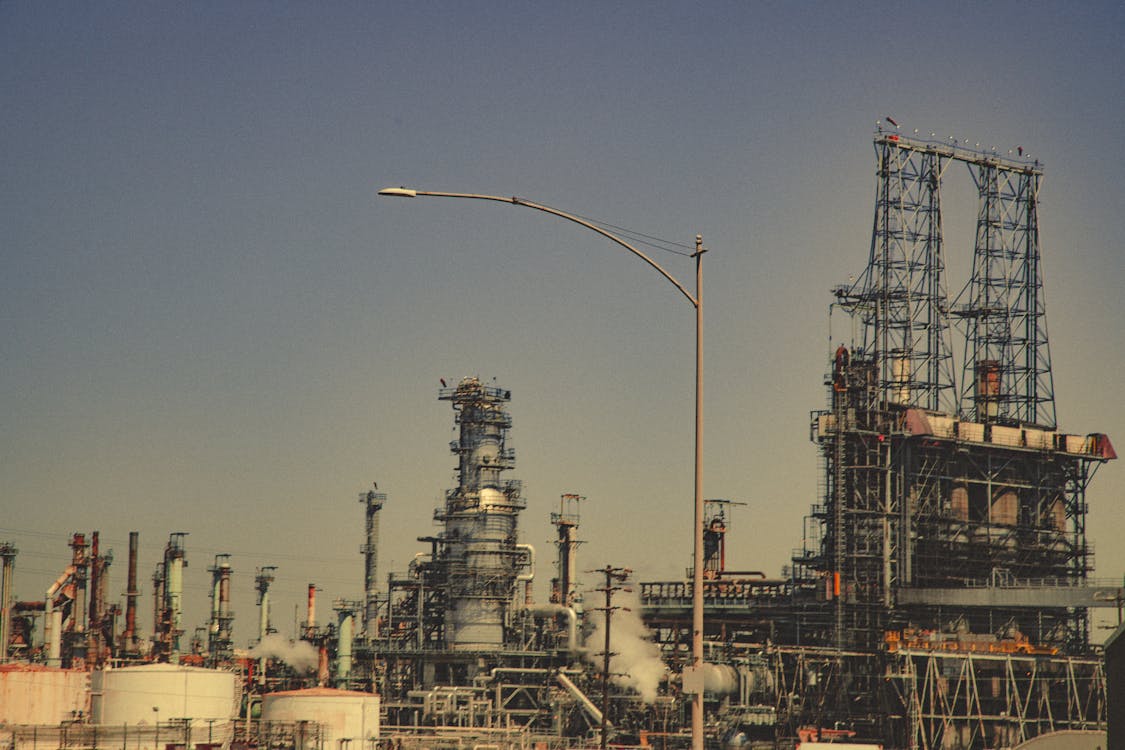
Natural gas processing plants like this one supply the CO2 waste streams captured at BKV's Eagle Ford and Cotton Cove facilities.
How Much CO2 Will BKV's New Texas Plants Capture?
Eagle Ford will sequester about 90,000 metric tons of CO2 annually once fully ramped up. Cotton Cove will average close to 32,000 metric tons a year over its operating life, per BKV and Oil & Gas Journal.
Together, the two facilities are expected to sequester more than 120,000 metric tons of CO2 every year. That combined figure came directly from BKV's June 30, 2026 announcement of the two start-ups.
Eagle Ford operates under BKV's joint venture with Copenhagen Infrastructure Partners, a deal worth up to $500 million. BKV first detailed the Eagle Ford partnership in 2025. The South Texas site was still under development at that point.
| Facility | Location | Partner | Annual CO2 Capacity | Operating Since |
|---|---|---|---|---|
| Barnett Zero | Fort Worth Basin, North Texas | EnLink Midstream | Up to 210,000 metric tons CO2e (forecast average) | November 2023 |
| Cotton Cove | Fort Worth Basin | Banpu Power US | About 32,000 metric tons (average) | April 2026 |
| Eagle Ford | South Texas, near Freer | Copenhagen Infrastructure Partners JV | About 90,000 metric tons | June 2026 |
Each facility captures CO2 otherwise vented from natural gas processing. BKV then compresses the gas and injects it into Class II wells drilled into deep geologic formations.
Are Eagle Ford and Cotton Cove Part of the Same Complex?
No, they are two separate facilities in different Texas basins. Eagle Ford sits near Freer in South Texas. Cotton Cove operates in the Fort Worth Basin near Fort Worth.
BKV developed Eagle Ford through its joint venture with Copenhagen Infrastructure Partners, a Danish infrastructure investment firm. Cotton Cove is a co-development between BKV and Banpu Power US, the U.S. power arm of Thailand's Banpu Public Company Limited.
A separate midstream partner supplies the raw CO2 waste stream at Eagle Ford. BKV has not named that company publicly. At Cotton Cove, the CO2 comes from BKV's own co-located midstream processing plant.

"Validates the operational excellence we anticipated from this partnership."
Karlis Povisilis, Partner at Copenhagen Infrastructure Partners
CIP joined BKV's CCUS platform through a strategic partnership first announced in 2025. The firm committed up to $500 million toward developing and operating carbon capture projects across the United States.

Class II injection wells like those used at Cotton Cove and Eagle Ford compress and route captured CO2 into deep geologic formations.
From Forecast to Reality: Cotton Cove's Long Road to Operation
Cotton Cove achieved initial CO2 injection in April 2026, well after its original target. BKV first forecast the project would start by the end of 2024, at an average sequestration rate near 45,000 metric tons a year.
That 2023 estimate, tied to BKV's early Cotton Cove announcement, projected nearly 45,000 metric tons of CO2 a year. The completed project now targets about 32,000 metric tons annually instead.
The lower, later number reflects standard project refinement rather than a setback. Engineering and permitting work through 2024 and 2025 shaped a more conservative, verified sequestration rate before BKV committed to full-scale operations.
RELATED: Texas Primacy Puts Gulf Coast CCS Projects in Fast Lane
What started as a forecast is now a working injection site with a verified operating history. Cotton Cove's shift from projection to production gives BKV a second verified track record alongside Barnett Zero.
BKV’s CCS operations capture CO2 from natural gas processing and permanently sequester it underground through Class II injection wells, building the foundation for expanded commercial projects like Eagle Ford and Cotton Cove.
How Does This Fit Into BKV's Bigger CCS Strategy?
BKV is building toward 1.5 million metric tons of annual CO2 injection capacity by 2028. Eagle Ford and Cotton Cove mark two steps toward that target, with several more projects already underway. The company's East Texas project remains on track, with a forecasted injection rate near 70,000 metric tons of CO2 a year. BKV detailed that East Texas CCS agreement in 2025. In the first quarter of 2026, BKV also signed definitive agreements with Comstock Resources to develop two CCUS projects. Those sites sit at Comstock's Bethel and Marquez natural gas plants in the Western Haynesville. BKV's High West project in Louisiana has also entered technical review for its Class VI permit application. That step moves the project closer to its own future injection start date."These facilities reflect the strength of our integrated business model."
Chris Kalnin, Chief Executive Officer of BKV Corporation
BKV's integrated model pairs its own natural gas production and midstream assets with in-house carbon capture development. That structure helped move Eagle Ford and Cotton Cove from announcement to operation within roughly two years.
Why Texas Keeps Winning Carbon Capture Investment
Texas hosts the largest share of the nation's carbon capture buildout, backed by established injection well infrastructure. As of February 2026, the Carbon Capture Coalition counted 32 operational and 288 announced carbon management projects nationwide, representing about $77.5 billion in capital investment.
The federal 45Q tax credit continues to underpin CCS economics nationwide, offering up to $85 per metric ton for point-source capture. That steady policy backdrop supports the broader wave of announced CCS investment across the country.
Texas is also home to the Gulf Coast's growing hydrogen economy, including the HyVelocity clean hydrogen hub. Both industries draw on the same pipeline corridors, injection wells, and industrial workforce across the state.
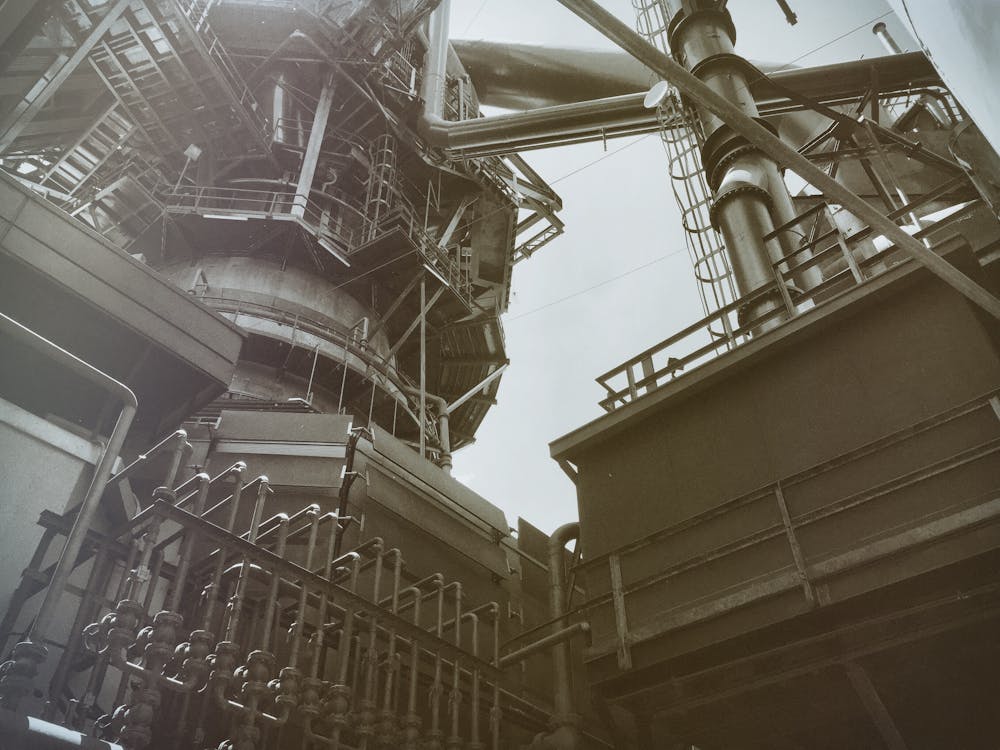
Pipeline and processing infrastructure across Texas basins underpins the state's expanding carbon capture and storage buildout.
Three Sites In, More on the Way
Eagle Ford and Cotton Cove turn years of forecasts into working infrastructure on the ground. With Barnett Zero, Cotton Cove, and Eagle Ford all injecting CO2 today, BKV has a working template as it builds toward its 2028 target.
Frequently Asked Questions
How much CO2 will Eagle Ford and Cotton Cove sequester combined?
Together, the two facilities are expected to sequester more than 120,000 metric tons of CO2 annually, based on BKV's June 30, 2026 announcement.
Are Eagle Ford and Cotton Cove part of the same CCS complex?
No. Eagle Ford sits in South Texas near Freer. Cotton Cove operates in the Fort Worth Basin. Both plants are counted toward BKV's combined Texas total.
What is BKV's long-term carbon capture goal?
BKV aims to reach 1.5 million metric tons of annual CO2 injection capacity across its portfolio by 2028.
For ongoing coverage of carbon removal, BECCS, and corporate CDR procurement, subscribe to Decarbonfuse.com.
Subscribe to the newsletter
Daily decarbonization data and news delivered to your inbox
Follow the money flow of climate, technology, and energy investments to uncover new opportunities and jobs.
Latest issues
-
Colorado Joins the 7-State CCS Permit Fast Lane
Inside This Issue ⚖️ Colorado Takes Over Class VI Permits: What Changes for CCS? 🏭 Hebei Shoulang Facility Using LanzaTech Technology Achieves World’s First ISCC EU RCF Certification for Ethanol P...
-
The US Hasn't Made Heavy Water Since 1982
Inside This Issue ⚛️ Aternium Completes FEED Studies for US Hydrogen, Heavy Water Project 🐄 Google, McKinsey Strike Brazil Carbon Removal Deal With Silvopasture Project 🔧 Cummins Selects Stargate ...
-
Why Colorado’s Koloma Has Japan’s Largest Utility Hooked
Inside This Issue ⚡ JERA Invests in Koloma to Explore Natural Hydrogen as a Future Low-Carbon Energy 🔬 New CATF Tool Provides Framework for Self-Assessment and Strengthening of Biomass Carbon Remo...
Company Announcements
-
Citi Closes $72 Million Carbon Removal-Linked Note to Support Applied Carbon Biochar Project
HIGHLIGHTS Citi structured an innovative $72 million carbon removal-linked note to provide upfront capital for Applied Carbon's biochar project, marking a first-of-its-kind "outcome bond" for ver...
-
New platform opens access to the same rigorous project evaluations trusted by the world's leading carbon removal procurement programs Today, Relae (formerly Carbon Direct) launched The Diligence C...
-
Inside BLM's 650,000-Acre Bet on Wyoming Carbon Storage
The Bureau of Land Management has offered right-of-way grants covering about 649,438 acres of federal pore space in southwest Wyoming. The September 21, 2026 offers went to Moxa Carbon Storage LLC ...
-
NEW YORK, BUSINESS WIRE, SWITCH Maritime (Switch), a leading developer of zero-emission vessels, secured a Design Basis Agreement (DBA) with the United States Coast Guard (USCG) for the SWITCH-150,...