
DSV Collaborates With Microsoft, United Airlines And Phillips 66 To Unlock 11 Million Gallons Of Sustainable Aviation Fuel
Published by Todd Bush on April 29, 2026
Enabling largescale access to sustainable aviation fuel (SAF), unlocking the supply of up to 11 million gallons or 41.6 million litres of SAF from Phillips 66 and delivering an expected reduction of approximately 100,000 tonnes of lifecycle greenhouse gas emissions compared with conventional jet fuel.
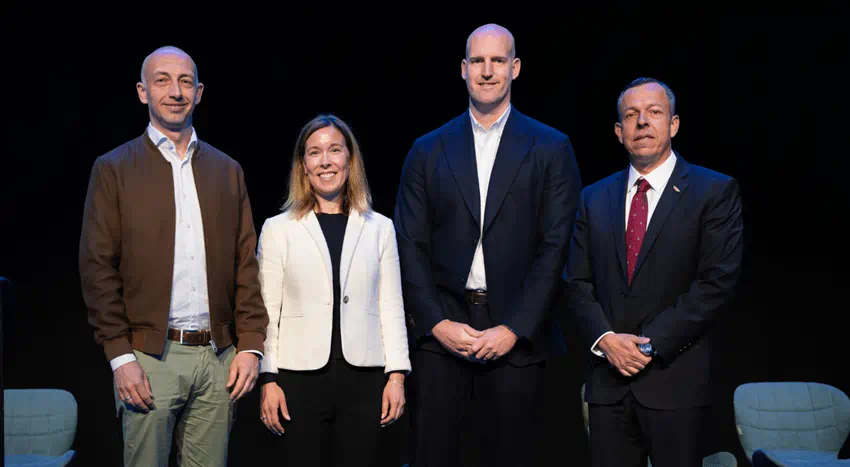
DSV collaborates with Microsoft, United Airlines and Phillips 66 to unlock 11 million gallons of sustainable aviation fuel
By working together, the companies can secure more reliable SAF capacity and accelerate scaling at a level that would be challenging to achieve on their own. By aligning demand, commercial structures and operational execution, this approach shows how SAF can be scaled more effectively through long-term agreements and coordinated execution across the supply chain.
>> In Other News: Carbon Direct And Arca Announce Collaboration On Industrial Mineralization Technology
"This collaboration aligns with DSV's long-term sustainability strategy and reflects our role as a global partner helping customers access lower emission transport solutions at scale. By connecting customers, carriers and fuel producers, we can help turn sustainability ambitions into operational outcomes", said Frank Sobotka, CEO, Air & Sea Division, DSV.
In practice, United Airlines will use the fuel, while DSV and Microsoft participate through a book‑and‑claim methodology, allowing verified emissions reductions to be allocated independently of physical fuel use. This allows the associated environmental impact to be attributed transparently and support scalable carbon reduction.
Largest contracted agreement
"This is the largest contracted SAF supply agreement with a single customer, DSV, in the history of our corporate SAF program, the Eco-Skies Alliance, demonstrating the possibility of large-scale greenhouse gas reductions when the members of a value chain - from supplier to end customer - work together," said Lauren Riley, Chief Sustainability Officer, United Airlines.
To ensure full transparency, this SAF transaction follows DSV's standard process, is supported by International Sustainability and Carbon Certification (ISCC), and is tracked through the Sustainable Aviation Fuel Certificate Registry (SAFc Registry). The ISCC verifies that the fuel is produced from strictly sustainable feedstocks and managed through a fully audited supply chain.
In parallel, DSV's internal book-and-claim registry, together with the SAFc Registry, provides a transparent system that records and tracks the associated environmental attributes. This ensures that each tonne of CO2 emissions reduction is verified, allocated to a specific shipper, and protected against double-counting. Together, this creates a clear and auditable trail that supports robust and credible corporate emissions reporting.
"This collaboration builds on Microsoft's ongoing work to reduce emissions across our cloud logistics value chain and supports our broader sustainability goals. By collaborating with partners across the aviation value chain, we can help advance the adoption of sustainable aviation fuel and support the transition to lower-carbon air transport," said Marco Eipper, General Manager, Cloud Supply Chain Logistics, Microsoft.
Delivering on these ambitions requires partners with the ability to operate at scale and translate demand into supply.
"Phillips 66 has the integrated assets, logistics network and operational experience to deliver SAF at scale today, not years from now. With this unique collaboration across industries, we're helping turn demand for lower‑carbon aviation into reliable, real‑world supply with measurable impact," said Ronald Sanchez, Vice President, Aviation, Phillips 66.
The SAF deployment is expected to reduce lifecycle greenhouse gas emissions by approximately 100,000 tonnes compared to conventional jet fuel - equivalent to one freighter-flight every day of the year. The collaboration illustrates how producers, airlines, logistics integrators and corporate customers can work together to turn sustainability ambitions into measurable climate reduction outcomes.
Subscribe to the newsletter
Daily decarbonization data and news delivered to your inbox
Follow the money flow of climate, technology, and energy investments to uncover new opportunities and jobs.
Latest issues
-
Canada Wants Foreign Buyers for Its Carbon Removals
Inside This Issue 🍁 Canada Explores Article 6 Path to Global Carbon Buyers 🌲 ARC Bio Demonstrates Canadian Forest Residue Pathway to Sustainable Aviation Fuel 🌾 Business, Forestry and Agriculture ...
-
How ADM Is Turning 800,000 Nebraska Tons Into Carbon Credits
Inside This Issue 🌾 ADM's 800,000-Ton Nebraska Bet on Carbon Removal Credits 🏔️ BLM Reaches New Milestone for Southeast Wyoming Carbon Storage Project 🍁 Haffner Energy Receives a €3.2M Firm Order ...
-
California Just Cleared Washington's Path Into Cap-and-Invest
Inside This Issue 🌲 Governor Newsom Announces Key Step Forward in California Plan to Link Carbon Markets With Washington State 🍁 MAX Power's Lawson 4 Puts Western Canada on the Natural Hydrogen Ma...
Company Announcements
-
Anew Climate Expands European Forest Carbon Portfolio Through Ten-Year Agreement with Sweden's EKEN
Partnership brings Swedish improved forest management credits, developed under Verra's VM0045, to Anew's corporate buyers. Anew Climate (Anew), one of the world’s largest developers and marketers ...
-
Ocean Visions Launches Comprehensive Knowledge Platform on Marine Carbon Dioxide Removal
mCDR Knowledge Platform New public platform connects organizations, technologies, projects, and field trials to provide a more integrated view of the rapidly evolving mCDR landscape "This user-fr...
-
Reverion builds world-record efficiency solid oxide fuel cell (SOFC) power plants that generate electricity from gas, provide flexible energy storage through reversibility and can be run carbon-ne...
-
The transaction is expected to improve earnings profile, remove approximately C$20 million of project-level debt and provide Anaergia with approximately C$9 million of equity in the buyer CARLSBAD...