
Plumas County, California just earned an 'A' rating under the BDO Zone Initiative, a regional biomass risk rating program. The rating certifies 255,000 bone dry tons of low risk woody biomass available every year within 75 miles of Taylorsville. Paired with rail access and an on-site PG&E substation, it gives biomass developers a ready-made investment target.
Key Facts
- 255,000 bone dry tons per year of low risk woody biomass, within 75 miles of Taylorsville, per Ecostrat and the BDO Zone Initiative
- Plumas County's rating is only the fifth of its kind issued in California, according to Sierra Daily News
- The Crescent Mills Industrial Site offers heavy industrial zoning, direct rail access, and an on-site PG&E substation with three phase power
- California's total biomass resource base is estimated at more than 50 million tons per year, according to a California Energy Commission assessment, much of it currently piled or burned
>> In Other News: [x](x)
What Did Plumas County Just Earn?
Plumas County received an 'A' rating under the BDO Zone Initiative. The rating certifies 255,000 bone dry tons per year of low risk woody biomass within a 75 mile radius of Taylorsville. Ecostrat, a North American biomass supply chain due diligence firm, issued the rating. Local partners on the project were Plumas Corporation and the Plumas County Fire Safe Council. Plumas Corporation is a Quincy, California nonprofit focused on forest and watershed restoration, while the Fire Safe Council is a community wildfire preparedness group.
An 'A' rating signals high prospective viability of feedstock supply and infrastructure, with low default risk for lenders. That combination matters because biomass projects live or die on whether a bank believes the wood will keep showing up.
Plumas County's rating is only the fifth of its kind issued in California, according to Sierra Daily News. That puts the county among a small group of California communities positioned to attract forest based economic development.
How Does a BDO Zone Rating Actually Work?
A BDO Zone rating scores up to 100 biomass supply chain and infrastructure risk indicators against national ASTM and CSA standards. The process runs in two phases. An analysis phase typically takes four to sixteen weeks, followed by a promotion phase that markets the region to developers.
The U.S. Department of Agriculture recognized BDO Zone ratings in its national bioeconomy plan as a tool to help accelerate biobased industries. That federal nod gives counties like Plumas a credible way to prove their wood supply to outside investors.
Bone dry tons, or BDT, is the metric behind the letter grade. It measures wood with all moisture removed, so a load of green timber and a load of dried slash can be compared on equal footing.
That standardization lets financiers model fuel costs and plant output with more confidence. It is the same reason tax credit programs built around measurable carbon and feedstock volumes have become central to financing new biobased plants.
Plumas County is one of dozens of regions across North America to earn a BDO Zone rating. Here is how its 'A' rating compares to a few other certified zones.
| Region | Rating | Feedstock |
|---|---|---|
| Plumas County, California | A | Woody biomass, 255,000 bone dry tons per year |
| North San Joaquin Valley, California | AA | Orchard biomass, nut tree shells and almond hulls |
| Lesser Slave Region, Alberta | BBB | Woody biomass, 155,000 oven dry tonnes per year |
| Cavalier County, North Dakota | A | Canola seed |
Ratings and feedstock details for comparison regions per Ecostrat, the BDO Zone Initiative, and Canadian Biomass Magazine.
Why Is This Rating Attracting Attention Now?
The BDO Zone Initiative describes its ratings as site location markers built to connect regions with project developers and investors worldwide. Plumas County's rating pairs the 255,000 bone dry ton certification with infrastructure that already exists, rather than a promise to build it later.
"creates a perfect environment for future investment"
Jordan Solomon, Chairman of the BDO Zone Initiative
By comparison, the Lesser Slave Region in Alberta earned its BBB rating on 155,000 oven dry tonnes per year. That is roughly 60 percent of the volume Plumas County just certified. The difference is why an 'A' rating on 255,000 bone dry tons signals enough supply for a commercial scale facility, not a small pilot project.
>> RELATED: Sheehy Introduces Bipartisan Wildfire and Forest Management Bill

Crescent Mills Industrial Site: The Infrastructure Behind the Rating
The Crescent Mills Industrial Site anchors Plumas County's rating with heavy industrial zoning, direct rail access, and an on-site PG&E substation carrying three phase power. That kind of ready made infrastructure is rare in rural forest counties.
Plumas County also has an established logging, grinding, and hauling network. Ecostrat and the BDO Zone Initiative say it is capable of supporting large scale biomass recovery. Developers scouting rail connected sites often compare notes with regions pursuing rail and pipeline connected hydrogen and ammonia infrastructure along the Gulf Coast. Similar rail and utility access there has helped projects move from announcement to construction.
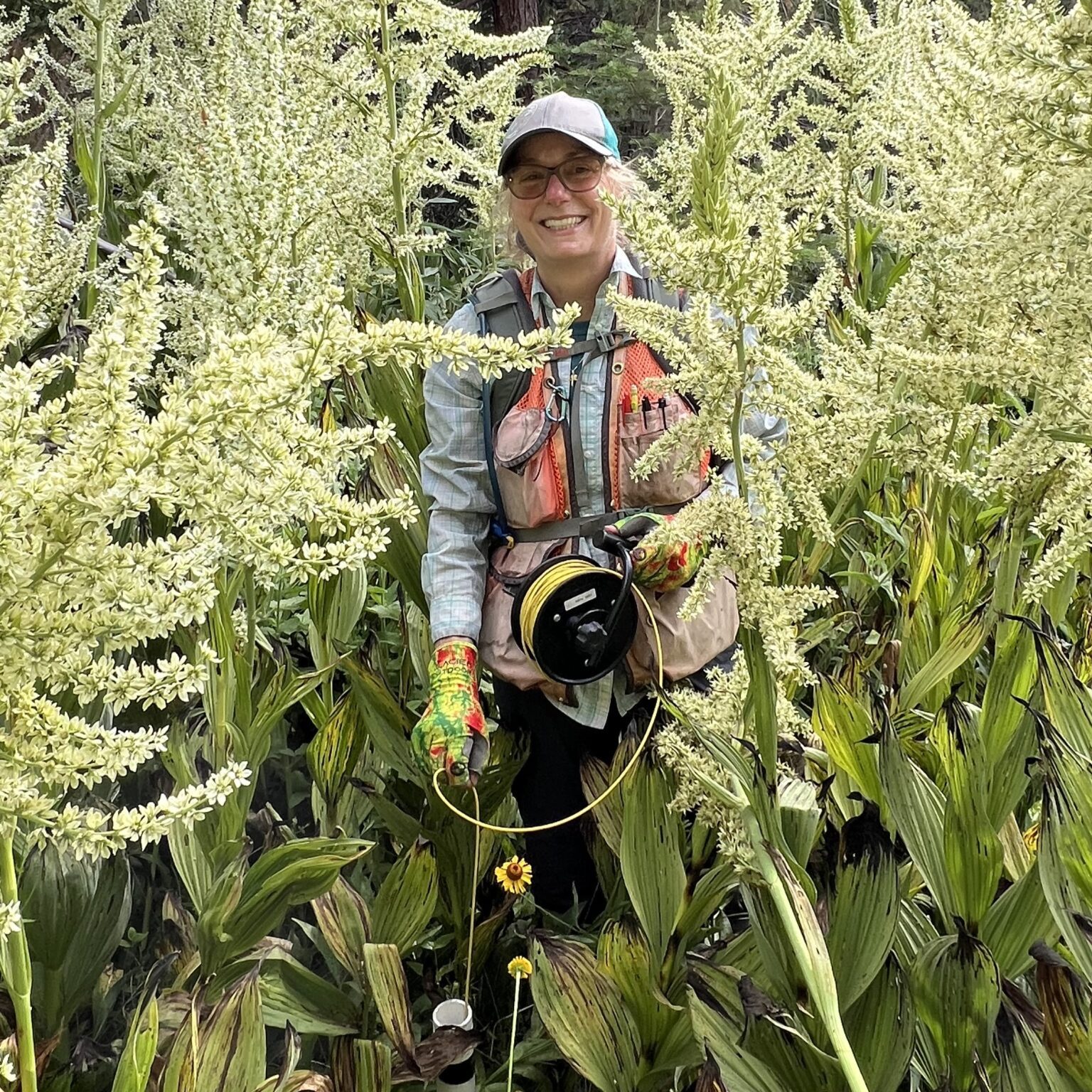
"long-awaited attention of biobased companies to our region"
GiaNina Martynn, Executive Director of Plumas Corporation
GiaNina Martynn said the rating would draw new attention to the region. She added it gives partners room to expand forest health, watershed restoration, and fuel reduction work.
How Does This Connect to California's Wildfire Fuel Problem?
Plumas County's certified 255,000 bone dry tons per year comes directly from ongoing wildfire mitigation work. It is the same pulpwood and forest residue that would otherwise be piled and burned. California's total biomass resource base is estimated at more than 50 million tons per year, according to a California Energy Commission assessment. Much of that material still decomposes or burns rather than getting put to use.
Turning that material into a certified feedstock supply gives it a market value instead of a disposal cost. Companies like agtech startups converting biomass waste streams into usable products have shown investors are willing to fund exactly this kind of rural feedstock conversion.
Buyers are already paying for forest management tied to wildfire risk reduction elsewhere in the state. A Northern California forest management project recently sold 80,000 tons of carbon removals to Microsoft. That deal shows corporate buyers will pay for verified forest carbon work in the same region.
The demand side keeps growing too. Partnerships are exploring biomass to sustainable aviation fuel production from residue streams. So are forest biomass carbon removal projects backed by JPMorgan Chase. Both need a steady, verified feedstock supply, which is exactly what a BDO Zone rating exists to prove.
Official U.S. Forest Service video on the Hat Creek Bioenergy facility in Burney, California, which converts sustainably sourced forest woodchips (from wildfire mitigation and management) into renewable electricity for the local grid
What Comes Next for Plumas County?
Local officials plan to use the rating as a recruiting tool for biobased developers while continuing existing fuel reduction programs on the ground. That work already touches the same underused pulpwood and forest residue the rating certifies.

"an opportunity to turn a long-standing challenge into something productive"
Darrell Webster, Firewood Processing Project Manager, Plumas County Fire Safe Council
Darrell Webster framed the rating as a way to support wildfire mitigation and rural economic development at the same time. He does not treat them as separate goals. The industries most likely to respond include biofuel, biogas, and renewable chemical developers already scanning bioenergy and hydrogen supply chains for their next project site. Carbon capture developers track feedstock ratings the same way lenders track credit scores.
Frequently Asked Questions
What is a BDO Zone rating?
It is a standards based risk assessment of a region's biomass feedstock and infrastructure. Ecostrat and the BDO Zone Initiative issue the ratings to help attract biobased manufacturing investment.
How much biomass did Plumas County qualify for?
The county was certified for 255,000 bone dry tons per year of low risk woody biomass within a 75 mile radius of Taylorsville, California.
Why does an 'A' rating matter to investors?
It signals low default risk on feedstock supply, which makes it easier for developers to secure financing for a new biomass facility in the region.
A Blueprint Other Wildfire Prone Counties Can Follow
Plumas County now has a certified, bank grade number attached to material that used to sit in a pile waiting to burn. Paired with rail access and existing grid infrastructure at Crescent Mills, that number gives biobased developers a concrete reason to look at the Sierra Nevada.
Other wildfire prone counties across the West are watching how this plays out. If Plumas County lands a plant on the back of this rating, the county becomes a template for other regions. Forest fuel reduction turns into rural economic development instead of just a line item in a wildfire budget.
For ongoing coverage of carbon removal, BECCS, and corporate CDR procurement, subscribe to Decarbonfuse.com.
Subscribe to the newsletter
Daily decarbonization data and news delivered to your inbox
Follow the money flow of climate, technology, and energy investments to uncover new opportunities and jobs.
Latest issues
-
Frontier’s 750,000 Credits Won’t Wait For Pipelines
Inside This Issue 🌽 Frontier Infrastructure Holdings & Carbonfuture Announce Largest Ethanol BECCS Carbon Removal Partnership Agreement to Date ♻️ Puro.earth Certifies World's First Biogas BEC...
-
Could MAX Power Have Found Commercial Hydrogen?
Inside This Issue ⛏️ First Well of Lawson Commercial Validation Drill Program (Still in Progress) Encounters Continuous Natural Hydrogen Readings Over 831 Meters and Highest Readings to Date in Ma...
-
Shell Will Help Delta Reach 23 Million SAF Gallons
Inside This Issue ✈️ Delta and Shell Ink 5-Year SAF Deal Across 5 US Hubs 🌲 Plumas County Receives Top Bioenergy Rating, Opening Door for Biomass Investment 📜 Rep. Kiley Introduces Bill to Incenti...
Company Announcements
-
NTT Data, Engie Launch Clean Energy Partnership to Decarbonize Global Data Center Footprint
Japan-based IT services and digital transformation company NTT Data announced today that it has signed a new strategic agreement with French energy company Engie, aimed at supporting the decarboniz...
-
The Carbon to Sea Initiative has awarded $225,000 to a cross-sector team of scientists, engineers, and industry professionals to study how ocean alkalinity enhancement (OAE) can be integrated into ...
-
Intesa Sanpaolo Joins £500m Financing for Eni CCUS Holding
Intesa Sanpaolo, through its IMI Corporate & Investment Banking Division, has taken part, alongside a pool of international banks, in a financing facility of more than £500 million in favour of...
-
AUSTIN, Texas, July 29, 2026 /PRNewswire/ -- Hyroad Energy, an independent solution provider operationalizing hydrogen-fueled commercial trucking for fleets, today announced a hydrogen refueling st...