
The Importance of Responsible Carbon Removal: Insights from the Institute for Responsible Carbon Removal
Published by Todd Bush on November 22, 2024
Sara Nawaz and the Institute for Responsible Carbon Removal are paving the way in a crucial sector: addressing climate change through sustainable and equitable carbon removal practices.
With growing global concerns about the escalating levels of carbon dioxide in the atmosphere, the Institute is working to ensure that carbon removal strategies are just, inclusive, and effective.
Carbon dioxide emissions currently amount to 37 billion metric tons annually. As the effects of climate change become more severe, organizations like the Institute for Responsible Carbon Removal are stepping in to explore scalable and equitable solutions.
“We’re not just looking at removing carbon; we’re focused on how to do it responsibly, ensuring that impacted communities are included in the process,” explains Sara Nawaz, Director of Research at the Institute.
>> RELATED: US Awards Up to $2.2 Billion to Speed Clean-hydrogen Development
What Is Carbon Removal, and Why Does It Matter?
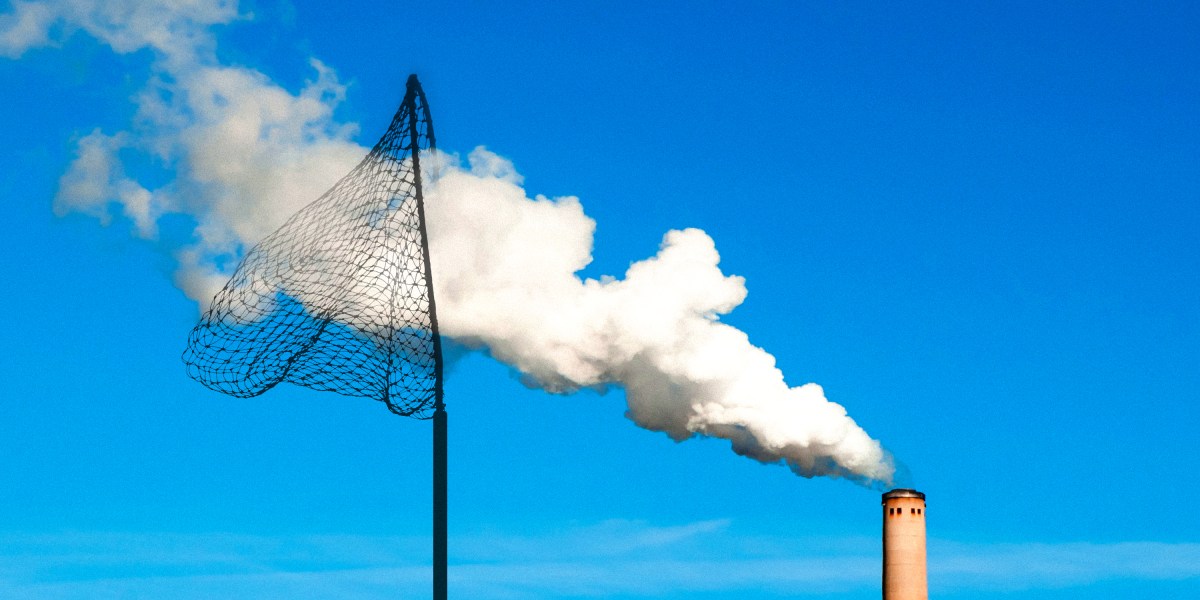
Carbon removal involves extracting carbon dioxide directly from the atmosphere and storing it securely for hundreds or thousands of years.
This differs from carbon capture, which focuses on intercepting emissions at their source, such as during fossil fuel combustion. Removal is essential because reducing emissions alone will not be enough to meet global climate targets.
The challenge is immense. Global emissions hover between 35 and 40 gigatons annually, while carbon removal methods need to scale up to 10 gigatons annually by 2050 to make a significant impact.
“Think of the atmosphere as an overflowing bucket. We need to reduce what’s being added, but we also need to drain the excess—this is the role of carbon removal,” explains Sara Nawaz.
Why Focus on Responsible Carbon Removal?
The Institute aims to develop carbon removal solutions beyond technical feasibility by prioritizing justice, equity, and sustainability.
Their approach includes addressing the potential “moral hazards” of carbon removal—such as reducing the incentive to cut emissions in other sectors—and ensuring that local and Indigenous communities have a meaningful voice in decision-making.
A key part of the Institute’s work is shaping the sector to avoid repeating the mistakes of past industrial developments.
“Much of the conversation assumes carbon removal will be market-led, but this approach risks exacerbating existing environmental injustices,” says Nawaz.
The Institute’s recent report and paper explore how carbon removal can be integrated into a progressive political and economic framework.

>> In Other News: FLAGSHIPS Wins Prestigious Award at EU Hydrogen Week
Collaborating with Communities for Just Policies
The Institute emphasizes the need for engagement with coastal and Indigenous communities, particularly in the Pacific Northwest.
Their work facilitates meaningful dialogue, ensuring local voices are central to carbon removal policies.
“Community engagement isn’t just about presenting plans; it’s about creating a two-way conversation where people can learn, ask questions, and contribute meaningfully,” Nawaz explains.
They are also working with Tribal communities to explore how carbon removal can align with their priorities and rights.
A recent study highlights the importance of Indigenous participation in these decisions. “We aim to support early conversations with Tribes, ensuring their perspectives guide policy and implementation,” says Nawaz.
Engaging the Public Through Deliberative Workshops
Another key aspect of the Institute’s work is public engagement. The Institute educates participants about carbon removal using structured workshops and interactive exercises while collecting valuable insights.
These sessions are designed for the general public and specific groups, such as environmental organizations or municipal governments.
“Engagement needs to be strategic and unbiased,” says Nawaz. “The status quo often involves developers with strong agendas leading the conversation. We’re exploring ways to ensure a more balanced approach, possibly through a centralized body to oversee engagement.”
Recent Initiatives and Future Plans
The Institute recently held its fourth annual Carbon Dioxide Removal Law & Policy Conference, which was themed “The Emerging Regulatory Terrain for CDR.”
The event brought together experts to discuss the evolving legal and regulatory frameworks surrounding carbon removal.
In addition, the Institute has secured funding from the National Science Foundation’s Geosciences Program through the American University’s Translating Research into Action Center.
This support will enable collaborations with Tribal communities to develop decision-making tools tailored to their needs.
The Institute is also exploring alternatives to the private-sector-driven carbon market model. “We’re researching public and community ownership models that prioritize equity over profit,” says Nawaz.
The Institute aims to create a more inclusive and sustainable sector by shifting governance and ownership structures.
A Balanced Vision for Carbon Removal
The Institute for Responsible Carbon Removal has positioned itself as a critical player in shaping the future of carbon removal.
By prioritizing community involvement, equity, and unbiased research, they’re setting a standard for how this emerging sector can evolve responsibly.
As Nawaz aptly puts it, “We don’t push specific projects—we focus on ensuring historically oppressed communities have the right to refuse or shape these initiatives.”
Their work offers a vision of carbon removal that balances scientific innovation with ethical responsibility, ensuring that the journey to net-zero emissions is fair and inclusive for all.
Subscribe to the newsletter
Daily decarbonization data and news delivered to your inbox
Follow the money flow of climate, technology, and energy investments to uncover new opportunities and jobs.
Latest issues
-
LNK Energies Targets $6.50 Hydrogen With No Federal Subsidies
Inside This Issue 🚛 MIT Startup Says It Can Turn Diesel Trucks Into Cheaper Hydrogen Haulers, See It at Disrupt 🏭 Baytown City Council Briefs: ExxonMobil Blue Hydrogen Agreement Approved 🌎 Colorad...
-
Why Gulf Coast CCS Teams Are Watching Liverpool Bay
Inside This Issue 💂 Eni’s Douglas Platform Sets the Offshore CCS Blueprint 🌲 Pacolet Milliken Expands Its Biomass Platform With the Acquisition of Georgia Renewable Power 🧪 Metacon Receives EU Fun...
-
Who Bought Gevo’s $50M in 45Z Credits?
Inside This Issue ⛽ Gevo Sells $70M in 45Z Credits to a New Kind of Buyer 🌱 South Pole, Gaïago, and Gold Standard Issue European Soil Carbon Credits, Unlocking Verified Regenerative Agriculture Re...
Company Announcements
-
LanzaJet Secures Financing to Scale SAF Production and Supply Global Customers
CHICAGO, Oct. 15, 2026 (GLOBE NEWSWIRE) -- LanzaJet, Inc., a leading next-gen fuels technology company and fuels producer, today announced fully committed new financing of at least $20 million to s...
-
44.01 and Frontier Advance Permanent CO₂ Storage Through In-Situ Mineralization
44.01's in-situ mineralization (ISM) process turns CO₂ into solid rock underground in a few years, after which the risk of reversal is functionally zero. >> In Other News: JERA Invests in ...
-
JERA Invests in Koloma to Explore Natural Hydrogen as a Future Low-Carbon Energy
JERA Co., Inc. (JERA), through its corporate venture capital arm JERA Ventures, has invested in Koloma, Inc. (Koloma), a U.S.-based natural hydrogen exploration and development company. The invest...
-
Company Update First-quarter contracts mark Karbon‑X's rapid and successful commercial entry into European low-carbon fuel markets Rapidly established European commercial relationships, market ac...