
The U.S. Environmental Protection Agency just handed Texas the keys to its own carbon storage future. On November 12, 2025, the agency granted Texas primary authority over Class VI underground injection wells, the permits required for permanent CO2 sequestration.
This isn't just a regulatory milestone. Texas had the largest backlog of pending Class VI applications at the EPA. Those projects, stuck in federal review for months or years, can now move forward under state oversight.
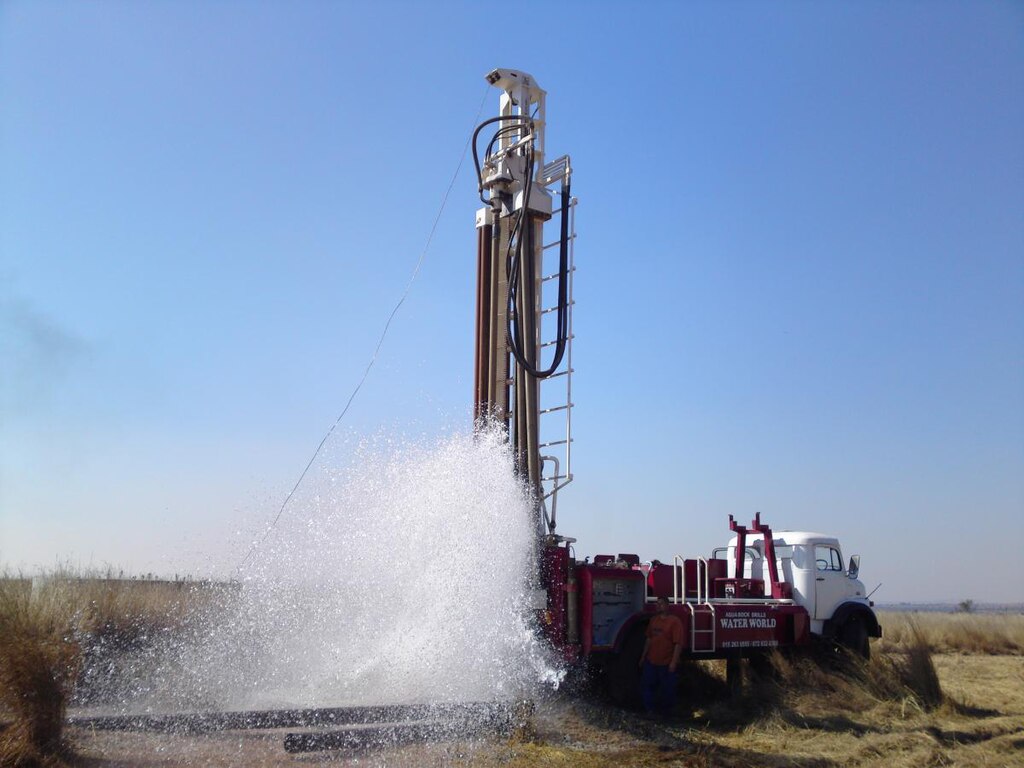
Why This Changes Everything
The Railroad Commission of Texas (RRC) will now serve as the permitting authority for Class VI wells statewide. These wells inject captured carbon dioxide deep underground into geological formations for permanent storage. The rule takes effect December 15, 2025.
Here's why the industry is paying attention:
- The EPA has issued only 11 Class VI permits nationwide since the program began in 2011
- States with primacy, like Wyoming, now approve wells in under a year, compared to 24+ months under EPA review
- The RRC already has 18 applications under review and expects more in the coming weeks

"Today's approval is a watershed moment that launches the next chapter of Texas energy leadership. We appreciate the EPA's thorough review and their confidence in the RRC's world-class regulatory expertise. Texas is now poised to lead the world in CCS, which means more investment and more jobs for Texans."
Todd Staples, President, Texas Oil and Gas Association
>> RELATED: Carbon Sequestration in Texas: A New Era for CO2 Storage
The Six-State Primacy Club
Texas now joins an exclusive group of states that have taken control of their carbon storage futures. Each of these states has demonstrated the technical capacity and regulatory framework needed to meet federal standards under the Safe Drinking Water Act.

A timeline of the six states that have received primacy from the U.S. EPA for Class VI underground injection wells, including the recent approvals for Texas and West Virginia in 2025. It highlights key facts, such as North Dakota's status as the first primacy state and Louisiana's 2025 moratorium.
Louisiana's Pause Creates an Opening
Timing matters here. Just weeks before Texas received its approval, Louisiana Governor Jeff Landry issued a moratorium on new CCS applications on October 15, 2025. The state had 33 pending permit applications, each requiring approximately 2,000 hours of review.
Industry groups have expressed concern that Louisiana's pause could push investment toward neighboring states. Will Green, President and CEO of the Louisiana Association of Business and Industry, warned that the momentum Louisiana had built "is no accident" and that the state risked ceding its competitive advantage to Texas.

A general stages of a Class VI injection well permit review process, from initial application and technical review to public comment and final authorization to inject. With its newly granted primacy, the Railroad Commission of Texas is aiming to streamline this entire timeline to approximately 12 months.
What Comes Next for Texas
The RRC isn't starting from scratch. The agency has been developing its Class VI program alongside the EPA's Region 6 office since 2021 and recently received a $1.93 million EPA grant to support implementation. In its primacy application, Texas set a target of issuing approximately 25 Class VI permits within the first two years.
Here's the projected timeline for permit review:
- Six months for permit to drill or convert a well
- Additional six months to authorize injection
- Total timeline: roughly 12 months from application to operation
"EPA's decision to grant the State of Texas primacy over Class VI underground injection wells is a game changer for our state. This marks another crucial step toward realizing the potential of large-scale carbon capture and storage development both in the Houston area and across the state."
Houston CCS Alliance
>> In Other News: [x](x)
Economic Upside
The economic case for CCS in Texas is compelling. According to a study by the Texas Association of Business, carbon capture, utilization, and storage projects could add $1.8 billion to the Texas economy and support approximately 7,500 full-time jobs.
With the 45Q tax credit intact following the One Big Beautiful Bill Act signed in July 2025, project developers now have both regulatory clarity and financial incentives to move forward. That combination could make Texas the destination of choice for CCS investment.
A Signal for the Industry
Texas gaining primacy sends a clear message: the CCS industry is maturing, and states are stepping up to lead. With more states in the application pipeline, including Alabama, Colorado, Mississippi, and Utah, the primacy map will keep expanding.
For project developers eyeing Gulf Coast carbon storage opportunities, the shift to state-level oversight means shorter timelines, local expertise, and a clearer path from application to operation. That's what an industry ready to scale needs.
Subscribe to the newsletter
Daily decarbonization data and news delivered to your inbox
Follow the money flow of climate, technology, and energy investments to uncover new opportunities and jobs.
Latest issues
-
Verra Landed CCP Approval. What Changes for DAC?
Inside This Issue ✅ Verra's CCS Credits Just Got the Integrity Seal Buyers Want 💰 South Korea Unveils $747 Billion Energy Transition Plan Through 2035 💧 Hydrogen and Carbon Capture and Storage in ...
-
Quebec Wood Waste Just Became Jet Fuel
Inside This Issue 🌲 ARC Bio Tests a Refinery Shortcut to Forest-Based SAF 💧 Scientists Just Found a New Way to Make Hydrogen from Water 🤝 How Channel Partnerships Are Helping More Organizations Ta...
-
How Vaulted Deep Turned Offtakes Into $35M Debt
Inside This Issue 🏦 How Carbon Removal Offtakes Are Starting to Unlock Commercial Debt 🌉 California Opens the Door to a Three-Way Carbon Market 🧪 New Material Developed at Oregon State Provides Bo...
Company Announcements
-
Ballard Secures 4.8MW Order From Siemens Mobility to Power Hydrogen Trains in Romania
24 FCrail™ fuel cell modules will power 12 Mireo Plus H trains, Romania’s first hydrogen fleet and the platform’s largest deployment to date. VANCOUVER, CANADA and MUNICH, GERMANY – Ballard Power ...
-
Company Update Approval Advances Strategic Growth of XCF's Diversified Alternative Energy Platform and Marks a Major Milestone as the Parties Work Toward Closing as Soon as Practicable HOUSTON, T...
-
On September 20, Yiwu County in Hami, Xinjiang, a centralized project bid opening and launch ceremony drew the attention of the entire hydrogen energy community, Dondel officially launched its Gree...
-
MEXICO CITY--BUSINESS WIRE--In the framework of today's World Habitat Day, here is an invitation to reflect on building more sustainable communities, where Mexico is moving firmly toward the energy...