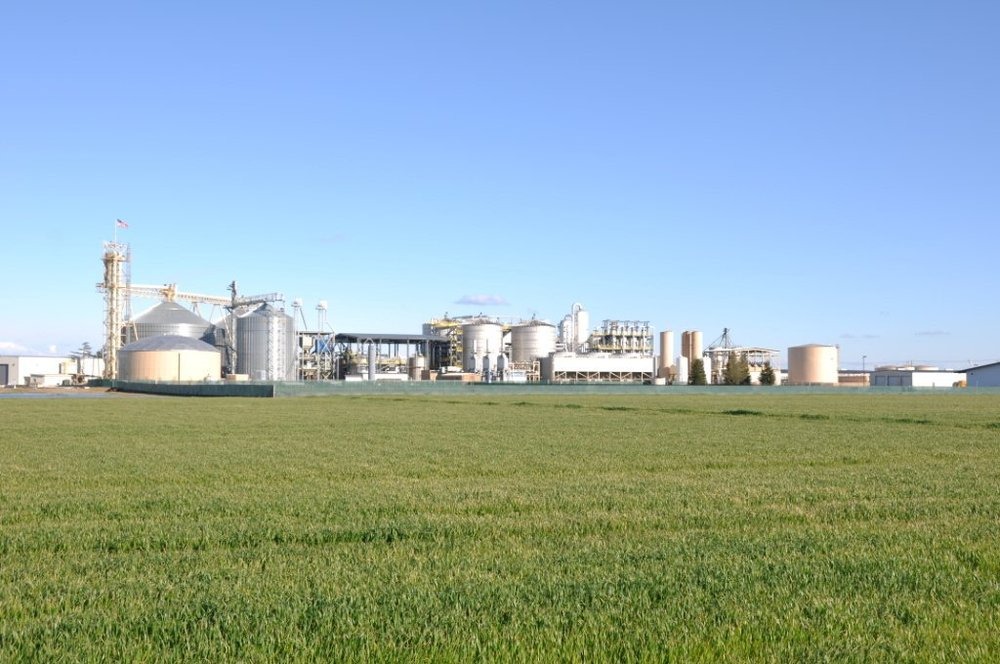
The fight against climate change needs various strategies involving green energy efforts. Aemetis, focused on sustainable natural gas and fuels, achieved an important milestone by obtaining $10.5 million in tax credits under the Inflation Reduction Act (IRA). This funding aims to enhance energy efficiency projects at their ethanol production site.
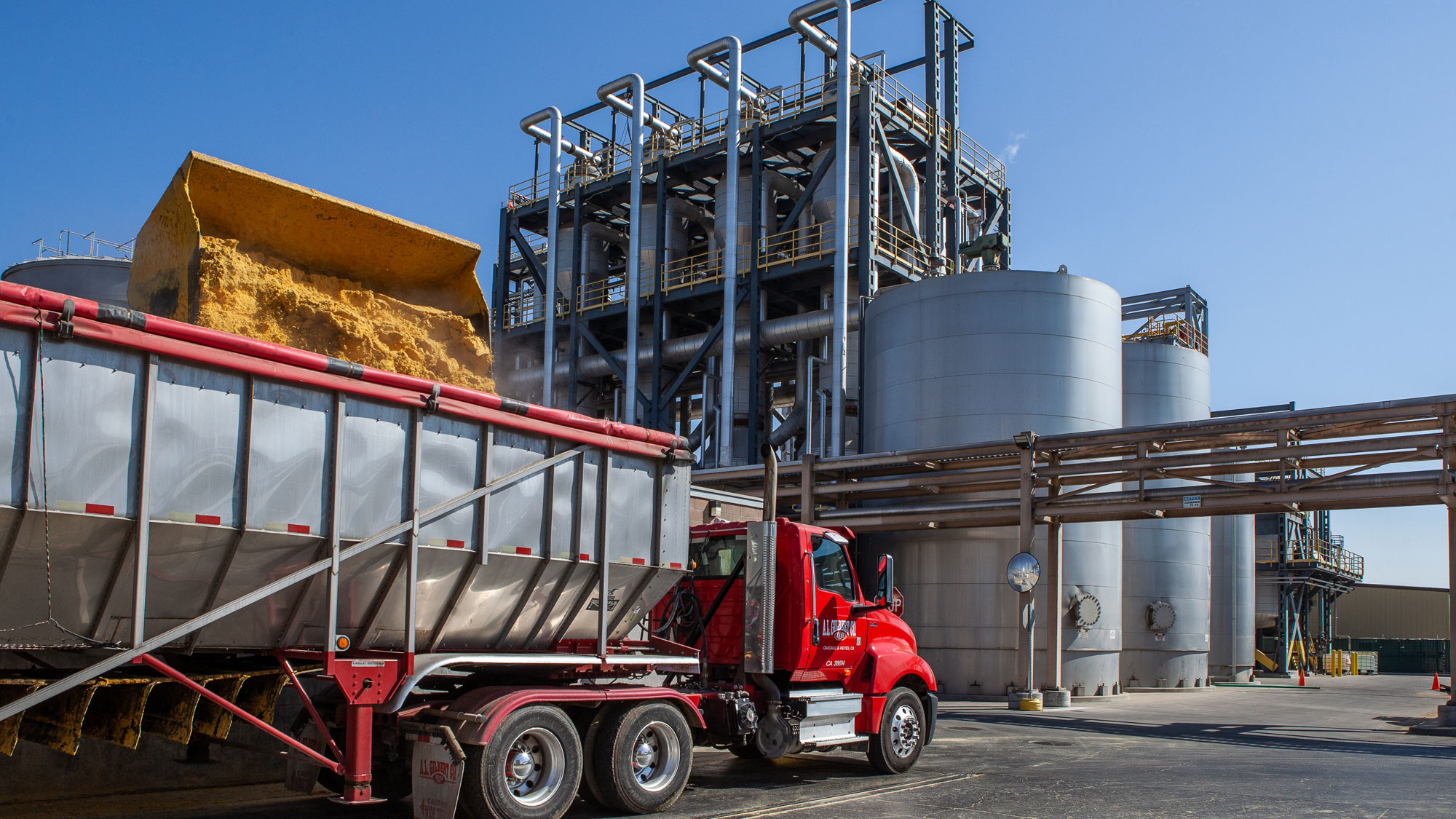
Aemetis Secures IRA Tax Credits
Aemetis announced the successful allocation of $10.5 million in IRA tax credits from the U.S. Department of Energy (DOE) and the Internal Revenue Service (IRS). The allocation is part of the initial phase for IRA Section 48C awards, emphasizing how competitive the process is. Aemetis' successful selection showcases the robustness of their proposed projects.
“The Inflation Reduction Act funds new job creation and supports new investment in projects in almost every state,” stated Eric McAfee, Chairman and Chief Executive Officer of Aemetis, Inc. “Late last year we demonstrated the conversion of IRA tax credits into funding for our projects, so monetization of the tax credits supports long term debt financing and, in the case of the MVR project, is expected to significantly increase operating cash flow from our existing biofuels plant in California.”
Tax credits are important for encouraging investment in renewable energy projects. The IRA provides tax credits to help with developing and using energy-efficient methods in the biofuels industry. These benefits assist companies like Aemetis by making their renewable energy projects more financially feasible.

>> In Other News: JTEC Energy Wins 'Energy Production Innovation Award' In 2024 CleanTech Breakthrough Awards Program
Investing in Efficiency: The MVR Project and Beyond
The $10.5 million in tax credits will be used to make Aemetis' ethanol production facility more efficient. One important project that will benefit from this money is the Mechanical Vapor Recompression (MVR) initiative, which aims to use less energy and create a more environmentally friendly production process. The extra funding will also help other projects focused on using energy more efficiently at the facility.
Aemetis' efforts to use energy more efficiently go beyond saving money. By using less energy, they will also greatly reduce their carbon emissions. For instance, the MVR project aims to cut fossil fuel use at the plant by 80%, leading to biofuels with lower carbon intensity. This dedication to efficiency fits well with fighting climate change.
Aemetis' effort to obtain IRA tax credits shows their strong dedication to using innovative and sustainable methods in the biofuels industry. By using these funds, they can invest in advanced technologies and procedures, staying competitive in renewable energy. Their emphasis on innovation guarantees that Aemetis continues leading the way in creating cleaner and more sustainable fuel options.
A Vision for a Sustainable Future
Aemetis has big plans beyond this recent success. They are dedicated to being sustainable, working towards cutting down on greenhouse gas emissions and moving towards using renewable energy sources in the future. Getting these tax credits is an important move toward reaching these goals, helping them improve what they already have and create new technologies that support a cleaner, more sustainable future.
Aemetis obtaining $10.5 million in IRA tax credits is a significant accomplishment for the company and the biofuels sector overall. This success underscores how tax benefits support innovation and advancement toward a greener future. Through investments in energy efficiency and advanced technologies, Aemetis showcases how renewable energy can be profitable while being eco-friendly.
Subscribe to the newsletter
Daily decarbonization data and news delivered to your inbox
Follow the money flow of climate, technology, and energy investments to uncover new opportunities and jobs.
Latest issues
-
LNK Energies Targets $6.50 Hydrogen With No Federal Subsidies
Inside This Issue 🚛 MIT Startup Says It Can Turn Diesel Trucks Into Cheaper Hydrogen Haulers, See It at Disrupt 🏭 Baytown City Council Briefs: ExxonMobil Blue Hydrogen Agreement Approved 🌎 Colorad...
-
Why Gulf Coast CCS Teams Are Watching Liverpool Bay
Inside This Issue 💂 Eni’s Douglas Platform Sets the Offshore CCS Blueprint 🌲 Pacolet Milliken Expands Its Biomass Platform With the Acquisition of Georgia Renewable Power 🧪 Metacon Receives EU Fun...
-
Who Bought Gevo’s $50M in 45Z Credits?
Inside This Issue ⛽ Gevo Sells $70M in 45Z Credits to a New Kind of Buyer 🌱 South Pole, Gaïago, and Gold Standard Issue European Soil Carbon Credits, Unlocking Verified Regenerative Agriculture Re...
Company Announcements
-
LanzaJet Secures Financing to Scale SAF Production and Supply Global Customers
CHICAGO, Oct. 15, 2026 (GLOBE NEWSWIRE) -- LanzaJet, Inc., a leading next-gen fuels technology company and fuels producer, today announced fully committed new financing of at least $20 million to s...
-
44.01 and Frontier Advance Permanent CO₂ Storage Through In-Situ Mineralization
44.01's in-situ mineralization (ISM) process turns CO₂ into solid rock underground in a few years, after which the risk of reversal is functionally zero. >> In Other News: JERA Invests in ...
-
JERA Invests in Koloma to Explore Natural Hydrogen as a Future Low-Carbon Energy
JERA Co., Inc. (JERA), through its corporate venture capital arm JERA Ventures, has invested in Koloma, Inc. (Koloma), a U.S.-based natural hydrogen exploration and development company. The invest...
-
Company Update First-quarter contracts mark Karbon‑X's rapid and successful commercial entry into European low-carbon fuel markets Rapidly established European commercial relationships, market ac...