
Floating blue ammonia production now has independent technical backing. On October 2, 2026, maritime classification society DNV granted Approval in Principle to a floating ammonia FPSO concept. FPSO operator BW Offshore and Houston-based engineering firm McDermott designed it to make more than 1 million tonnes of ammonia a year.
The approval is an early design milestone, not a construction green light. It gives the partners an independent basis for further design development, certification and classification.
Decarbonfuse readers first met this design in February, when the partners unveiled the floating blue ammonia FPSO concept. The bigger question now is whether offshore units can earn a commercial place next to large onshore plants on the Gulf Coast.
What Did DNV Approve on October 2, 2026?
DNV approved the preliminary design of the blue ammonia FPSO through a risk-based Approval in Principle (AiP), according to MarineLink.
An AiP is not construction approval, project financing or a final investment decision. It gives developers, lenders and future partners an independent technical reference point as the design matures.
Independent review matters for a unit this integrated. The FPSO would combine gas processing, hydrogen and ammonia synthesis, carbon capture and refrigerated ammonia storage on one floating hull.
Key Facts
- DNV granted Approval in Principle to the BW Offshore and McDermott blue ammonia FPSO concept on October 2, 2026.
- Gas intake: up to 3 million cubic meters of natural gas per day.
- Output: more than 1 million tonnes of ammonia per year.
- Carbon capture: up to 99% of the CO2 generated during production, compressed for export.
- Estimated carbon intensity: about 0.5 tonnes of CO2 per tonne of ammonia.
- Storage and export: refrigerated tanks in the hull, with direct offloading to gas carriers.
- Next step: BW Offshore plans to work with gas developers and partners toward potential project execution.
DNV has assessed floating ammonia designs before. In 2023, it issued an AiP for a separate green ammonia FPSO from SwitcH2 and BW Offshore that runs on wind power and electrolysis.
That earlier review covered structural integrity, mooring, ammonia production, ammonia storage and cargo handling, according to DNV. The 2026 concept is a different design that uses natural gas with carbon capture.
>> In Other News: New CATF Tool Provides Framework For Self-Assessment And Strengthening Of Biomass Carbon Removal Protocols
How Would the Floating Unit Turn Gas Into Ammonia?
The FPSO would receive natural gas from nearby offshore facilities through a subsea flowline. Onboard plants would convert that gas into hydrogen and then into ammonia, according to BW Offshore.
At design rates, the unit would process up to 3 million cubic meters of gas daily. That feed supports yearly output above 1 million tonnes of ammonia, based on BW Offshore's February 2026 specifications.

The infographic traces how the proposed FPSO would turn offshore gas into exportable ammonia while capturing production CO2.
Liquefied ammonia would be held in refrigerated tanks inside the hull. Gas carriers would load it directly at sea, so the design needs no pipeline, terminal or port.
Carbon capture is built into the process. Up to 99% of the CO2 generated during production would be captured and compressed for export to geological sequestration or other approved uses.
The 99% figure covers CO2 from production, not total lifecycle greenhouse gas emissions. BW Offshore estimates carbon intensity at around 0.5 tonnes of CO2 per tonne of ammonia.
What Problem Is Offshore Blue Ammonia Built to Solve?
The concept targets gas that existing infrastructure cannot easily bring to market. BW Offshore says large volumes of gas tied to offshore oil and gas production remain underused because of limited export infrastructure or commercial constraints.
Converting that gas at the field turns it into a liquid cargo that ships can deliver to international markets. BW Offshore also says the FPSO could be leased, helping operators monetize surplus gas while managing upfront investment.
BW Offshore's official video illustrates the floating blue ammonia FPSO concept and its collaboration with McDermott.
Demand is building in shipping and power generation, the two sectors BW Offshore highlights. Belgian shipowner CMB.TECH recently readied its ammonia-powered dry bulk carrier Mineral Europa. It is one sign of how maritime shipping is turning to ammonia and carbon capture.
Offshore CO2 infrastructure is advancing too. Liverpool Bay CCS installed an offshore platform dedicated to CO2 transport and storage, the kind of system a floating ammonia unit could pair with.
How Does the FPSO Compare With Blue Point and Beaumont?
The FPSO sits at the concept stage, while the leading Gulf Coast projects are building or already producing. The comparison is about structure and logistics, not a race on capacity.
| Project | Location | Capacity | Carbon Capture | Status |
|---|---|---|---|---|
| BW Offshore and McDermott blue ammonia FPSO | Offshore, site not yet named | More than 1 million tonnes per year (design) | Up to 99% of production CO2, storage arrangement not yet identified | Concept design, DNV AiP October 2026 |
| CF Industries Blue Point (with JERA and Mitsui) | Ascension Parish, Louisiana | About 1.4 million metric tons per year | More than 95% of process CO2, about 2.3 million metric tons per year sequestered by 1PointFive | Construction slated to begin in 2026, production expected in 2029 |
| Woodside Beaumont New Ammonia | Beaumont, Texas | 1.1 million tonnes per year | Autothermal reforming with 95% CO2 capture, storage via ExxonMobil CCS | First ammonia December 2025, lower-carbon production targeted for 2027 |
CF Industries, the world's largest ammonia producer, formed a Blue Point joint venture in April 2025. Its partners are Japanese power generator JERA and trading house Mitsui.
The roughly $4 billion Louisiana plant should produce about 1.4 million metric tons of low-carbon ammonia a year from 2029, according to CF Industries. Technip Energies holds the engineering contract for Blue Point Number One.
Under a 25-year sequestration agreement, Occidental subsidiary 1PointFive will permanently store about 2.3 million metric tons of Blue Point CO2 each year. Tony Will, CF Industries' president and CEO when the venture launched, tied the project to long-term demand.
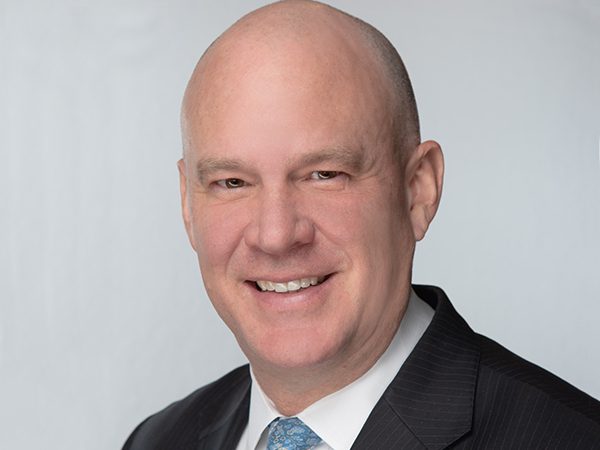
"Our joint venture represents tangible progress towards building a reliable and affordable low-carbon ammonia value chain to meet what we expect to be robust global demand for low-carbon ammonia for both traditional and new applications."
Tony Will
Woodside Energy's Beaumont New Ammonia plant in Texas produced first ammonia in December 2025. Woodside took operational control in March 2026 and targets lower-carbon production in 2027.
That step depends on Linde's hydrogen supply facilities and the start-up of ExxonMobil's CCS network, including permitting, according to Woodside.
Woodside targets a lifecycle intensity of 0.8 tonnes of CO2 per tonne of ammonia, compared with 2.3 tonnes for unabated ammonia, citing Hydrogen Europe data. BW Offshore has not detailed the boundary behind its 0.5-tonne estimate, so the two figures are not directly comparable.
What Has to Happen Before Offshore Production Starts?
BW Offshore plans to work with oil and gas developers and other partners toward potential project execution. The company has not published a timeline for the steps ahead.
Several milestones typically sit between an AiP and a first ammonia cargo:
- Further engineering, potentially including front-end engineering design (FEED)
- A suitable offshore gas resource and a CO2 storage arrangement
- Commercial partners and ammonia offtake agreements
- Project financing and regulatory approvals
- A final investment decision
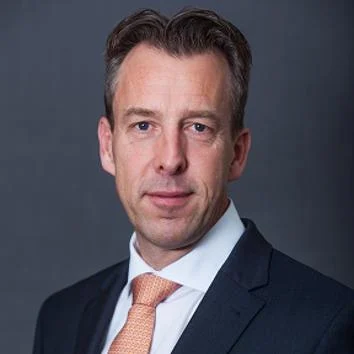
"We will progress by capturing opportunities which arise in the ongoing global energy transition. As the world changes, we at BW Offshore also change, adding new, different but closely related business opportunities which will thrive next to the established FPSO business."
Marco Beenen
The blue ammonia FPSO belongs to BW Offshore's New Ventures portfolio. Marco Beenen, the company's CEO, has framed such ventures as growth beside its core FPSO business. For North American readers, the link is comparative for now, since no North American gas field or customer has been named.
Frequently Asked Questions
What does DNV's Approval in Principle mean for the blue ammonia FPSO?
It is an independent, risk-based assessment of the early-stage design. It sets a basis for further design development, certification and classification. It is not construction approval, financing or a final investment decision.
Does the FPSO cut lifecycle emissions by 99%?
No. The design captures up to 99% of the CO2 generated during production. BW Offshore estimates overall carbon intensity at about 0.5 tonnes of CO2 per tonne of ammonia, and no permanent storage site has been named yet.
Where would the first floating blue ammonia unit operate?
No site has been announced. BW Offshore is targeting offshore gas resources constrained by existing infrastructure and plans to work with gas developers to select a project.
From Validated Design to First Cargo
The October 2 approval gives BW Offshore and McDermott an independently reviewed design to bring to gas developers.
If a field partner and CO2 storage arrangement follow, floating units could add a new supply channel next to plants like Blue Point and Beaumont. Offshore and onshore blue ammonia could grow side by side, each serving the gas that suits it best.
For ongoing coverage of carbon removal, BECCS, and corporate CDR procurement, subscribe to Decarbonfuse.com.
Subscribe to the newsletter
Daily decarbonization data and news delivered to your inbox
Follow the money flow of climate, technology, and energy investments to uncover new opportunities and jobs.
Latest issues
-
Why Colorado’s Koloma Has Japan’s Largest Utility Hooked
Inside This Issue ⚡ JERA Invests in Koloma to Explore Natural Hydrogen as a Future Low-Carbon Energy 🔬 New CATF Tool Provides Framework for Self-Assessment and Strengthening of Biomass Carbon Remo...
-
LNK Energies Targets $6.50 Hydrogen With No Federal Subsidies
Inside This Issue 🚛 MIT Startup Says It Can Turn Diesel Trucks Into Cheaper Hydrogen Haulers, See It at Disrupt 🏭 Baytown City Council Briefs: ExxonMobil Blue Hydrogen Agreement Approved 🌎 Colorad...
-
Why Gulf Coast CCS Teams Are Watching Liverpool Bay
Inside This Issue 💂 Eni’s Douglas Platform Sets the Offshore CCS Blueprint 🌲 Pacolet Milliken Expands Its Biomass Platform With the Acquisition of Georgia Renewable Power 🧪 Metacon Receives EU Fun...
Company Announcements
-
A new interactive tool from Clean Air Task Force (CATF) provides a practical framework for the self-assessment and strengthening of biomass carbon removal (BiCRS) protocols to help ensure that carb...
-
LanzaJet Secures Financing to Scale SAF Production and Supply Global Customers
CHICAGO, Oct. 15, 2026 (GLOBE NEWSWIRE) -- LanzaJet, Inc., a leading next-gen fuels technology company and fuels producer, today announced fully committed new financing of at least $20 million to s...
-
44.01 and Frontier Advance Permanent CO₂ Storage Through In-Situ Mineralization
44.01's in-situ mineralization (ISM) process turns CO₂ into solid rock underground in a few years, after which the risk of reversal is functionally zero. >> In Other News: JERA Invests in ...
-
JERA Invests in Koloma to Explore Natural Hydrogen as a Future Low-Carbon Energy
JERA Co., Inc. (JERA), through its corporate venture capital arm JERA Ventures, has invested in Koloma, Inc. (Koloma), a U.S.-based natural hydrogen exploration and development company. The invest...