
The Port of La Spezia has completed Italy's first hydrogen bunkering operation at a dockside location, with Bluenergy Revolution transferring hydrogen from a mobile land vehicle to a vessel at the Baglietto Shipyard using low-pressure metal hydride storage technology — the same system used by the Italian Navy's U212 submarines.
The operation, authorised by the Eastern Ligurian Sea Port Authority, ran through a full multi-phase safety protocol and was declared successful, establishing a proof-of-concept for low-pressure hydrogen transfer in a working port environment.
The Port of La Spezia has quietly logged a milestone that the wider maritime decarbonisation industry will want to pay attention to. Bluenergy Revolution has completed the first hydrogen refuelling operation from a mobile dockside vehicle to a vessel in an Italian port, carried out at the Baglietto Shipyard under authorisation from the Eastern Ligurian Sea Port Authority. All required safety conditions were met. The procedure went exactly as planned.
>> In Other News: Carbon Upcycling Secures $10M in Financing from ATEL Ventures to Support Clean Cement Manufacturing
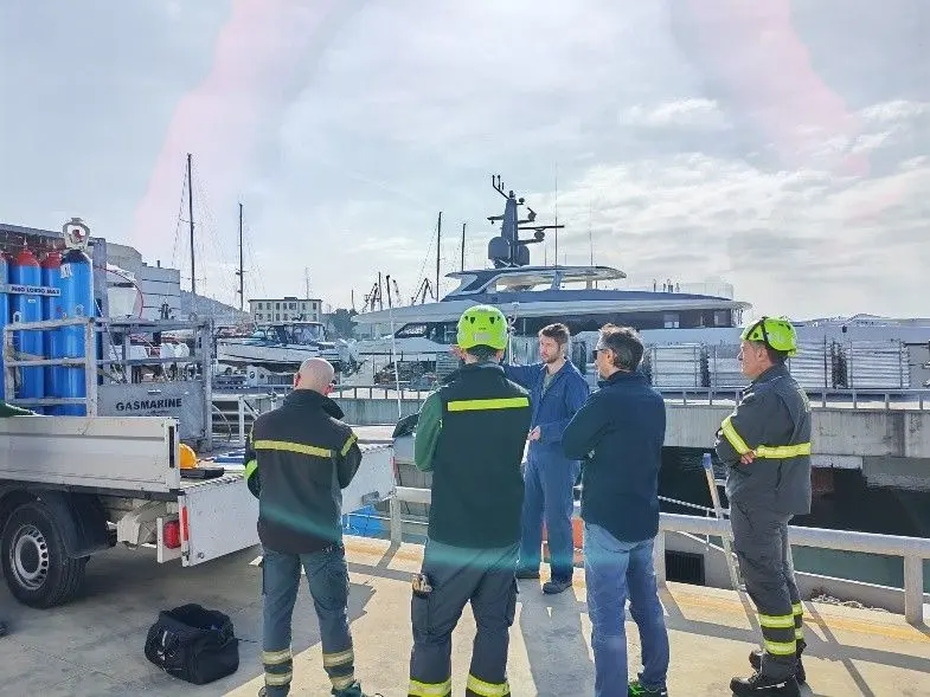
The operation was authorised by Energy and Environment Department Director Engineer Mirko Leonardi, following a favourable opinion from the services conference. It was conducted in several defined phases: initial preparation of vehicles and the work area; a safety briefing with all personnel; pre-transfer preparation; the hydrogen transfer itself; closure of the transfer; and final clearance of the area.
The Port Authority: “Metal hydride technology allows the use of low-pressure hydrogen sources and does not require advanced temperature or flow controls, as the absorption of hydrogen is automatically regulated by the pressure and temperature of the hydrides themselves, therefore, the refueling is intrinsically safe.”
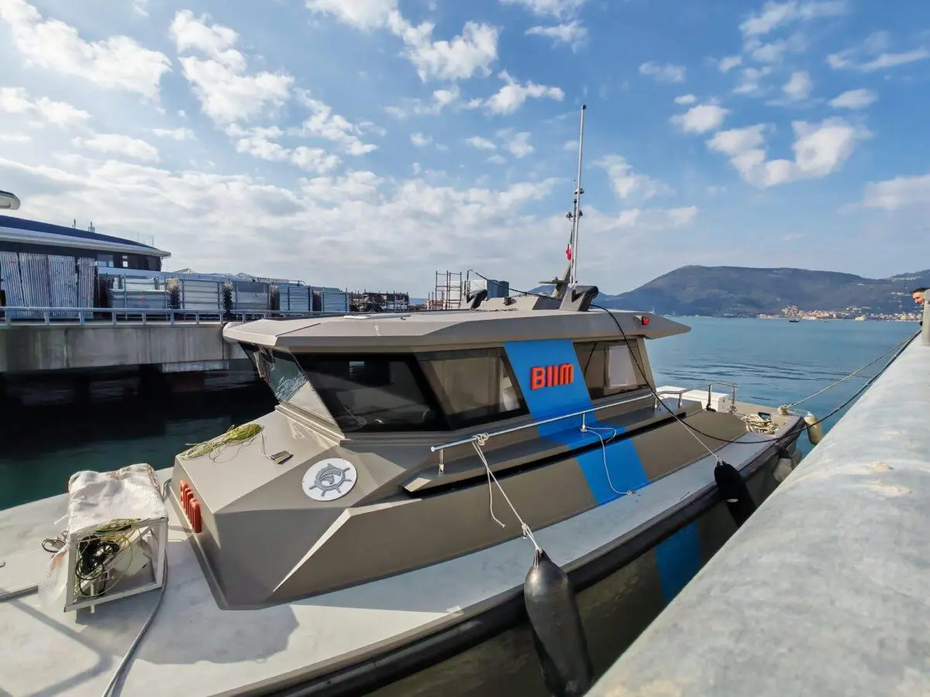
“The operation went as expected, demonstrating the feasibility of safely carrying out hydrogen transfers at low pressures (30 bar) thanks to the use of onboard storage systems based on metal hydride technology, the same technology used by the Italian Navy's U212 submarines, which has been carrying out refueling operations at the Arsenal in the port of La Spezia for decades, the same technology implemented in Baglietto's experimental BZero plant and planned for integration on board yachts.”
“Metal hydride technology allows the use of low-pressure hydrogen sources and does not require advanced temperature or flow controls, as the absorption of hydrogen is automatically regulated by the pressure and temperature of the hydrides themselves, therefore, the refueling is intrinsically safe.”
Subscribe to the newsletter
Daily decarbonization data and news delivered to your inbox
Follow the money flow of climate, technology, and energy investments to uncover new opportunities and jobs.
Latest issues
-
LNK Energies Targets $6.50 Hydrogen With No Federal Subsidies
Inside This Issue 🚛 MIT Startup Says It Can Turn Diesel Trucks Into Cheaper Hydrogen Haulers, See It at Disrupt 🏭 Baytown City Council Briefs: ExxonMobil Blue Hydrogen Agreement Approved 🌎 Colorad...
-
Why Gulf Coast CCS Teams Are Watching Liverpool Bay
Inside This Issue 💂 Eni’s Douglas Platform Sets the Offshore CCS Blueprint 🌲 Pacolet Milliken Expands Its Biomass Platform With the Acquisition of Georgia Renewable Power 🧪 Metacon Receives EU Fun...
-
Who Bought Gevo’s $50M in 45Z Credits?
Inside This Issue ⛽ Gevo Sells $70M in 45Z Credits to a New Kind of Buyer 🌱 South Pole, Gaïago, and Gold Standard Issue European Soil Carbon Credits, Unlocking Verified Regenerative Agriculture Re...
Company Announcements
-
MIT Startup Says It Can Turn Diesel Trucks Into Cheaper Hydrogen Haulers — See It at Disrupt
Diesel fuel powers everything from shipping to agriculture, and with prices hitting record highs in recent weeks, governments around the world are scrambling to contain the fallout. For now, that’...
-
Gevo Announces First Multi-Year Carbon Removal Credits Supply Agreement Through CEEZER
Three-Year Delivery of Durable Carbon Removals from Gevo North Dakota to a Leading Global Enterprise Software Company Gevo will supply durable carbon dioxide removal (CDR) credits from Gevo North...
-
Continental Refining to Double Biodiesel Capacity at Somerset Complex
SOMERSET, Ky. — Continental Refining Company is expanding its biodiesel production facility to double capacity at its Somerset industrial complex, while its soybean processing plant will remain idl...
-
Groundwork BioAg Secures 'BBB' BeZero Carbon Rating
The rating places Groundwork BioAg among the highest-rated agricultural soil carbon projects, opening a scalable pipeline of independently rated, high-integrity removals for corporate buyers. MAZO...