
Remember when electric vehicle charging stations seemed like a pipe dream? Tesla broke that deadlock by installing chargers first, creating demand where none existed before. Today, Air Products is playing a similar game with hydrogen infrastructure, but with a twist that could reshape industrial decarbonization forever.
The company recently divested $1 billion from European chemical plants and Singapore fuel stations, redirecting capital toward contracted hydrogen projects with firm demand. This isn't speculative betting. It's infrastructure with purpose.
Breaking the Infrastructure Chicken-and-Egg Problem
The hydrogen economy faces the same dilemma that once plagued electric vehicles: who builds the infrastructure when there's no demand, and who creates demand when there's no infrastructure? Air Products is answering both questions simultaneously.
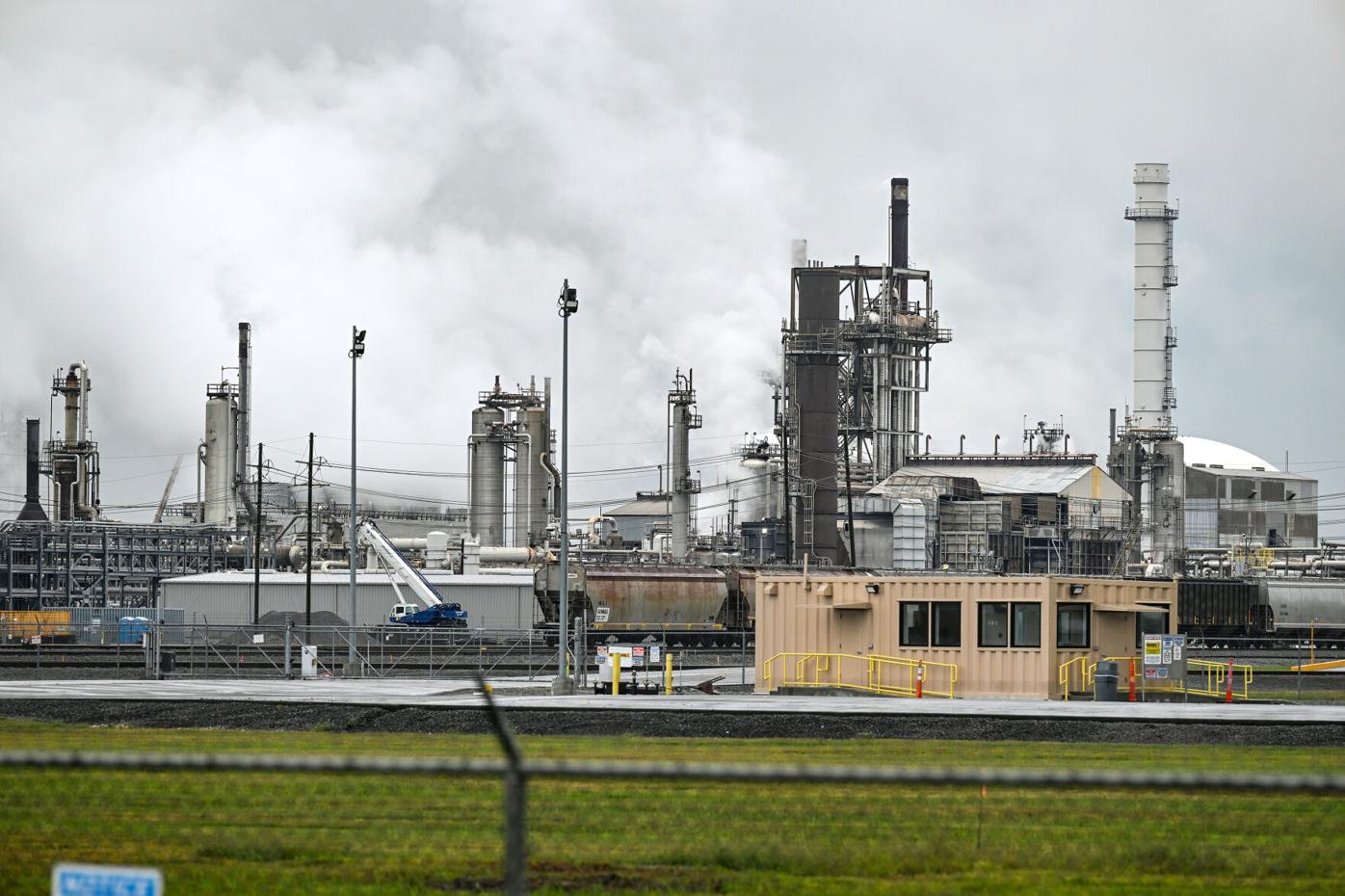
The company's $4.5 billion Louisiana Clean Energy Complex will produce more than 750 million standard cubic feet per day of blue hydrogen. But here's what makes this different from typical hydrogen hype: every cubic foot has a contracted customer waiting for it.
Key Infrastructure Milestones
- Air Products completed first liquid hydrogen fill at NASA's Kennedy Space Center for Artemis missions
- Linde investing $400 million in new on-site hydrogen facilities complementing existing infrastructure
- Hydrogen Hubs Market growing from $2.60 billion in 2024 to projected $7.23 billion by 2030
This infrastructure flywheel creates confidence that wasn't there before. When industrial customers see guaranteed supply, they're willing to sign the long-term contracts that make these massive investments viable.
>> RELATED: How Energy Giants Are Fueling America's Blue Hydrogen Boom
Demand Certainty Beats Flashy Announcements
While headlines focus on canceled hydrogen projects, something more important is happening behind the scenes. Companies are learning to distinguish between real demand and speculative hype.
Air Products exemplifies this shift. Instead of chasing every hydrogen opportunity, the company exited three US-based projects earlier this year, choosing to focus resources on ventures with binding customer agreements and proven demand.
"We are focusing our capital and resources on projects where we have firm, long-term customer commitments that provide acceptable returns."
Seifi Ghasemi, Chairman & CEO, Air Products
This isn't about being conservative. It's about being smart. The hydrogen projects moving forward today share three characteristics:
- Contracted customers with 10+ year agreements
- Established supply chains for raw materials and equipment
- Clear regulatory frameworks supporting the investment
Meanwhile, projects without these foundations are getting shelved or canceled. The market is maturing from speculation to execution.
>> In Other News: New Report Targets Trillion-Plus Finance Gap that Risks Stalling Shipping’s Energy Transition
Industrial Heat: Where Hydrogen Makes Perfect Sense
Forget hydrogen cars for a moment. The real action is happening in industries you might not expect: brick kilns, glass furnaces, and ceramic plants. These sectors need sustained high-temperature heat that batteries simply can't provide.
Brick Production Breakthrough
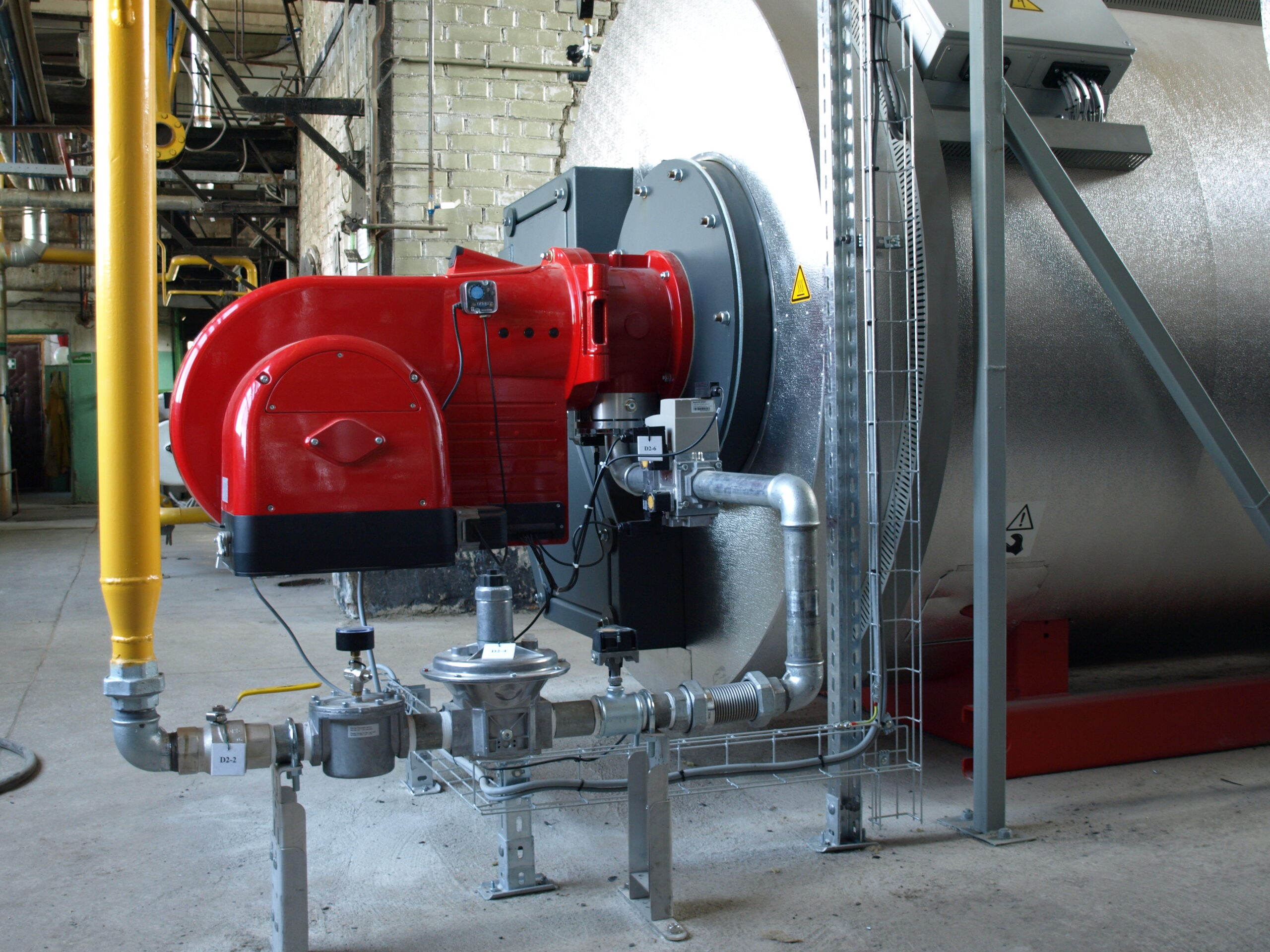
German researchers recently proved that clean hydrogen can replace natural gas in brick tunnel kilns without affecting product quality. The key innovation? Dual-fuel burners that can switch between natural gas and hydrogen as supply becomes available.
Testing showed that even pure hydrogen combustion produced identical brick colors, strength, and durability compared to natural gas. No manufacturing compromises required.
Glass Industry Progress
SCHOTT successfully tested 35% hydrogen blends in industrial glass production at their Mainz facility. Pilkington Glass conducted similar trials, proving that hydrogen blending works at commercial scale.

"If deployed at scale, hydrogen blending at 20% concentration could unlock 29 TWh per year of decarbonized heat, equivalent to removing 2.5 million cars from the road."
Hydrogen Innovation Initiative Study
These aren't pilot projects anymore. They're proving commercial viability for entire industrial sectors that collectively consume massive amounts of fossil fuel for heat.
Industrial Hydrogen Applications by Sector
| Industry | Current Status | Key Advantage |
|---|---|---|
| Brick Manufacturing | Commercial trials complete | No product quality impact |
| Glass Production | 35% hydrogen blends proven | Existing furnace compatibility |
| Ceramics | UK trials successful | High-temperature capability |
Why Batteries Can't Compete Here
These industrial processes require temperatures above 1,000°C for hours at a time. Battery-powered electric heating becomes prohibitively expensive at this scale and duration. Hydrogen combustion provides the energy density and sustained heat these industries need.
The Infrastructure-Demand Loop Accelerates
Here's how the pieces connect: Air Products builds hydrogen production and distribution infrastructure based on contracted demand from industrial customers. Those customers commit to long-term purchases because they see reliable supply. More infrastructure attracts additional industrial users, creating a virtuous cycle.
The result? Hydrogen is transitioning from promising technology to proven industrial solution. Companies like SCHOTT, Pilkington, and brick manufacturers across Germany aren't waiting for some distant hydrogen future. They're implementing hydrogen solutions today.
This isn't about revolutionary breakthroughs or perfect technology. It's about incremental progress, risk management, and business fundamentals. The hydrogen economy is being built one contract, one kiln, one furnace at a time.
From speculation to execution, from promises to proof. That's hydrogen's real breakthrough moment.
Subscribe to the newsletter
Daily decarbonization data and news delivered to your inbox
Follow the money flow of climate, technology, and energy investments to uncover new opportunities and jobs.
Latest issues
-
Verra Landed CCP Approval. What Changes for DAC?
Inside This Issue ✅ Verra's CCS Credits Just Got the Integrity Seal Buyers Want 💰 South Korea Unveils $747 Billion Energy Transition Plan Through 2035 💧 Hydrogen and Carbon Capture and Storage in ...
-
Quebec Wood Waste Just Became Jet Fuel
Inside This Issue 🌲 ARC Bio Tests a Refinery Shortcut to Forest-Based SAF 💧 Scientists Just Found a New Way to Make Hydrogen from Water 🤝 How Channel Partnerships Are Helping More Organizations Ta...
-
How Vaulted Deep Turned Offtakes Into $35M Debt
Inside This Issue 🏦 How Carbon Removal Offtakes Are Starting to Unlock Commercial Debt 🌉 California Opens the Door to a Three-Way Carbon Market 🧪 New Material Developed at Oregon State Provides Bo...
Company Announcements
-
Gevo and ClimeFi Complete Carbon Removal Transaction, Advancing Gevo's Growing Carbon Business
Transaction supports Gevo's path toward a carbon business exceeding $30 million in annual revenue from existing operations ENGLEWOOD, Colo., Oct. 08, 2026 (GLOBE NEWSWIRE) -- Gevo, Inc. (NASDAQ: G...
-
ZeroMe Launches OffsetC App to Bring Transparency and Personal Agency to Carbon Offsetting
NEW YORK, Oct. 07, 2026 (GLOBE NEWSWIRE) -- ZeroMe, Inc. today announced the launch of the OffsetC carbon offset app, designed to make buying carbon credits more transparent, more accessible, and e...
-
CALGARY, AB, Oct. 8, 2026 /CNW/ - Gas Liquids Engineering Ltd. (GLE) is pleased to announce the successful completion of its detailed engineering scope for Enhance Energy Inc.'s Origins Carbon Capt...
-
Ballard Secures 4.8MW Order From Siemens Mobility to Power Hydrogen Trains in Romania
24 FCrail™ fuel cell modules will power 12 Mireo Plus H trains, Romania’s first hydrogen fleet and the platform’s largest deployment to date. VANCOUVER, CANADA and MUNICH, GERMANY – Ballard Power ...