
Gevo Sells $70M in 45Z Credits to a New Kind of Buyer
Published by Todd Bush on October 9, 2026
Gevo has sold $70 million in 2026 Section 45Z clean fuel production credits. A $50 million share went to a publicly traded company outside the financial sector. That buyer mix suggests low-carbon fuel producers can turn verified emissions cuts into cash from a widening pool of corporate credit buyers.
Gevo, a Colorado-based producer of low-carbon fuels, chemicals and carbon removal, announced the sales on October 1, 2026. The credits came from its ethanol plant in North Dakota and its renewable natural gas (RNG) facility in northwest Iowa.
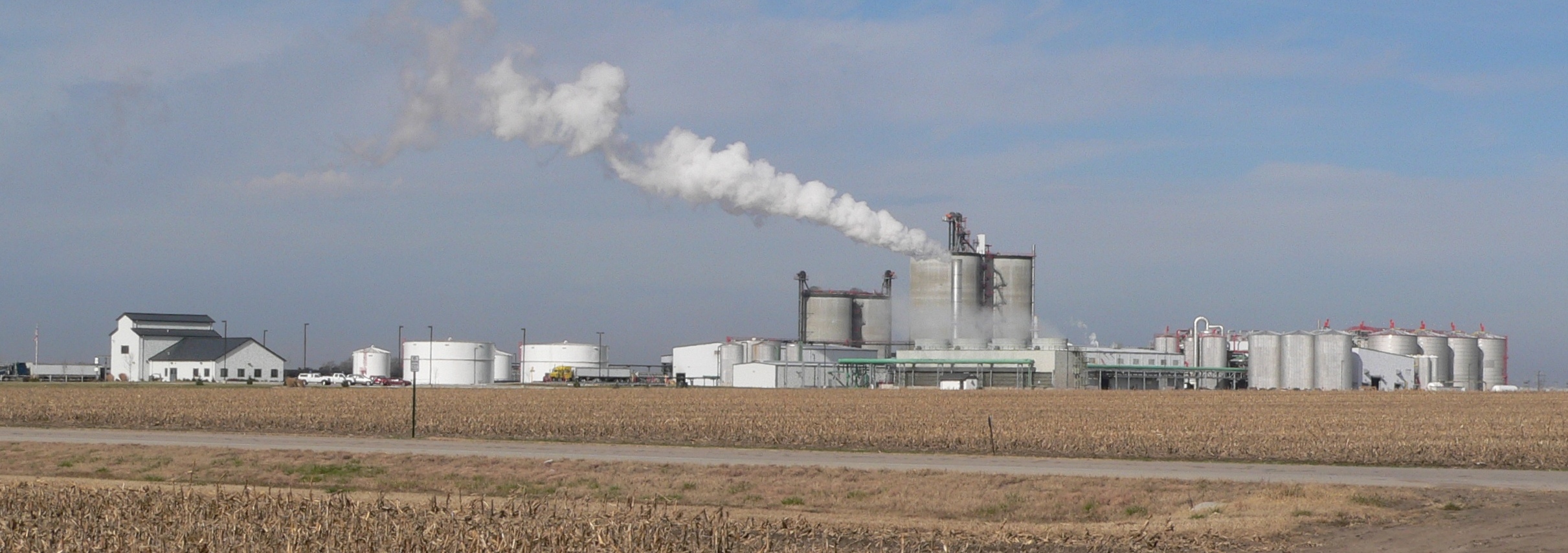
A Nebraska corn ethanol plant, the type of facility whose low-carbon fuel can generate Section 45Z clean fuel production credits.
Photo: Ammodramus, Wikimedia Commons, public domain.
How Did Gevo Sell $70 Million in 45Z Credits?
Gevo sold substantially all of its 2026 Section 45Z credits, worth $70 million, through the credit's transferability provisions (Gevo, October 2026). The sales closed in two tranches with two very different buyers.
The first $20 million went to Quill Financial, parent of Utah-based community lender Quill Bank. The second deal, worth $50 million, closed on September 30, 2026 with a publicly traded non-financial company. Gevo did not name that buyer.
Gevo had collected more than $30 million in cash from the sales through September 30, 2026. It expects the remaining payments over the next six months.
Key Facts
- $70 million in 2026 Section 45Z credits sold by Gevo, announced October 1, 2026
- $50 million sold on September 30, 2026 to a publicly traded non-financial company
- $20 million sold earlier in 2026 to Quill Financial, parent of Utah-based Quill Bank
- More than $30 million in cash received through September 30, 2026, with the rest expected within six months
- More than $77 million in 45Z credits forecast from Gevo's 2027 production
- Debottlenecking at Gevo North Dakota to lift capacity and carbon capture by 10 to 15% by the end of 2026
Transferability lets a fuel producer sell its credits to an unrelated taxpayer for cash. The option covers 45Z and the other transferable U.S. clean energy tax credits created or expanded since 2022.
>> In Other News: Relae and Microsoft Publish Science-Based Framework for High-Quality IFM Carbon Credits
Why Does a Non-Financial Buyer Matter for 45Z?
Gevo's $50 million corporate sale was 2.5 times larger than its $20 million bank deal earlier in 2026. Gevo describes the shift as broadening participation in its credit sales.

"We have successfully sold our expected 2026 45Z tax credit position while broadening participation beyond financial institutions to also include strategic corporate buyers."
Paul Bloom, CEO, Gevo
One transaction won't define the whole 45Z transfer market. Still, a non-financial publicly traded company stepping in suggests participation may be broadening as more producers bring credits to sale.
| Transaction | Buyer Type | 2026 Credits |
|---|---|---|
| Earlier sale | Quill Financial (financial institution) | $20 million |
| September 30 sale | Publicly traded non-financial company | $50 million |
| Total sold | Multiple buyers | $70 million |
| 2027 forecast | N/A | More than $77 million |
Looking ahead, Gevo projects more than $77 million in credits from 2027 output. That would top the $70 million it placed for 2026.
How Does Carbon Intensity Set 45Z Credit Value?
Section 45Z multiplies a per-gallon amount by an emissions factor, so cleaner fuel earns a larger credit. Fuel must stay at or below 50 kilograms of CO2 equivalent per million British thermal units to qualify (Holland & Knight, September 2026).
For fuel produced after December 31, 2025, the base amount is $0.20 or $1.00 per gallon. The higher rate applies when prevailing wage and apprenticeship rules are met. Feedstocks must come from the United States, Canada or Mexico.
The credit covers fuel sold through December 31, 2029, a window extended under the One Big Beautiful Bill Act. The higher SAF-specific rate no longer applies to post-2025 production.
Carbon capture is one proven way an ethanol producer can lower carbon intensity. But 45Z is a performance-based fuel credit, not a carbon capture subsidy.
Gevo North Dakota captures fermentation CO2 and injects it into a Class VI well beside the plant. The permitted well stores up to about 180,000 metric tons of CO2 per year (Gevo, 2026).
Other producers are moving the same way. Green Plains received its first 45Z payment of about $14 million after linking three Nebraska plants to permanent storage. Some plants also use energy attribute certificates to trim carbon intensity scores.
Plants without their own wells have options too. Shared CO2 pipelines such as Trailblazer now carry captured CO2 from 11 ethanol plants to storage in Wyoming.
What Did Treasury Add to 45Z Guidance in September?
The IRS issued Notice 2026-53 on September 8, 2026, publishing the 2026 emissions rate table for 45Z. It also set rates for dairy and swine manure fuels and addressed regenerative farming practices.
Treasury and the IRS proposed the core 45Z regulations on February 3, 2026, and they're still in proposed form. AgriNews reported that Treasury plans to issue a final rule this fall.
Geoff Cooper, president and CEO of the Renewable Fuels Association, the U.S. ethanol industry's trade group, welcomed the February proposal.

"Today's 45Z proposed rule is a step in the right direction toward providing the clarity and certainty that ethanol producers are seeking."
Geoff Cooper, President and CEO, Renewable Fuels Association
The new manure pathways matter for Gevo's dairy-based RNG facility in Iowa. They give RNG producers firmer numbers for calculating 45Z credits.
How Will Gevo North Dakota's Upgrades Lift 2027 Credits?
Gevo expects debottlenecking at Gevo North Dakota to raise production capacity and associated carbon capture by 10 to 15%. The work remains on track to finish by the end of 2026 (Gevo, October 2026).
The project adds a third liquefaction tank, a fifth fermenter and a beer degassing system that captures more CO2. Gevo commissioned the degassing unit ahead of schedule in September 2026.
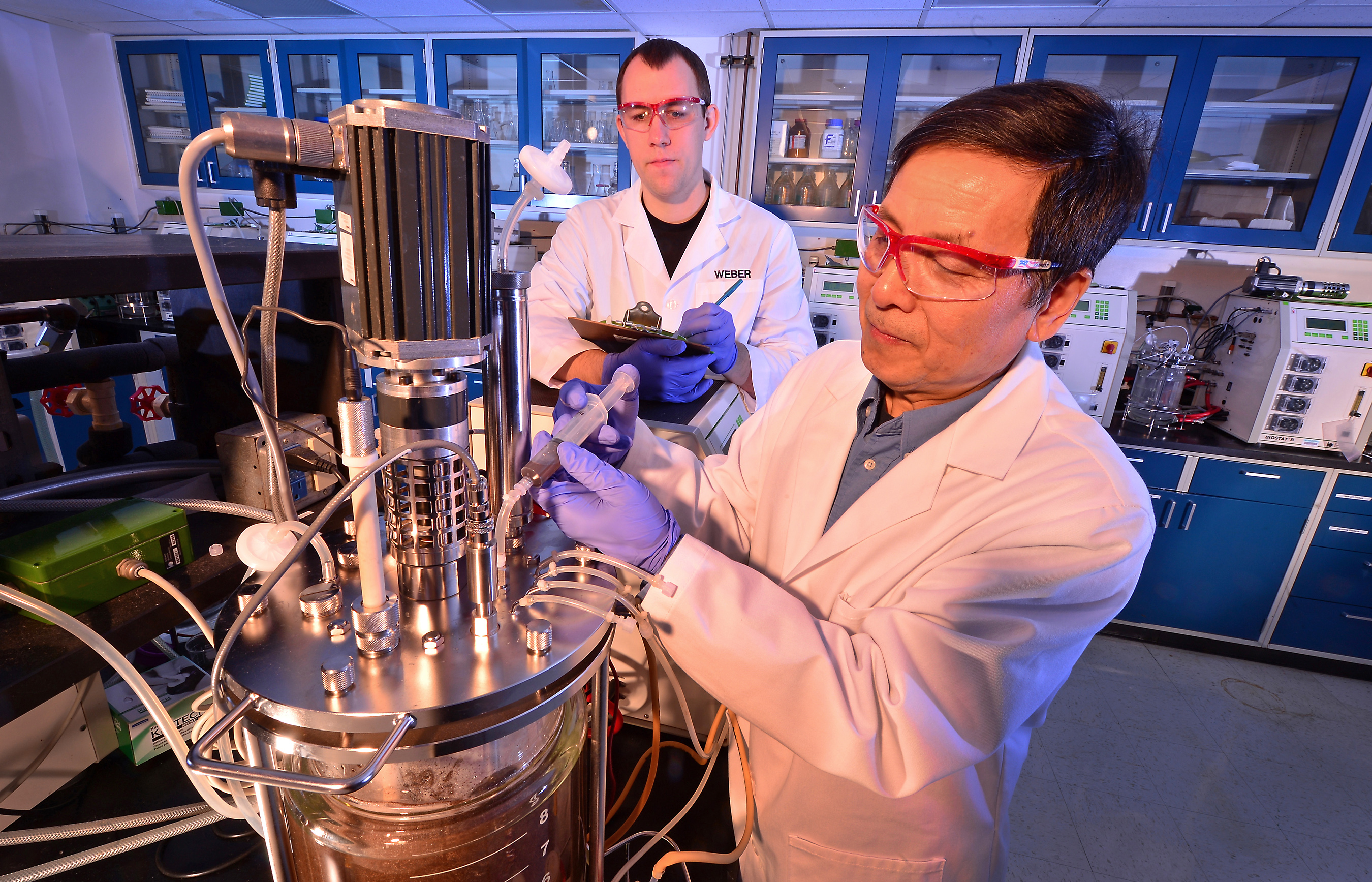
A USDA bioreactor being loaded with yeast for ethanol fermentation, the same process step Gevo is expanding with a fifth fermenter.
Photo: USDA, Wikimedia Commons, public domain.
Gevo estimates the upgrades will add $7 million to $10 million in 2027 credits. That uplift supports a 2027 forecast above $77 million, compared with the $70 million sold this year.
Gevo acquired the Richardton site from Red Trail Energy. It has issued more than 500,000 carbon dioxide removal certificates since injections began in June 2022 (Gevo, January 2026).
The site is also the planned home of Gevo's large-scale alcohol-to-jet facility. Paul Bloom has said the plant captures about one ton of CO2 for every ton of fuel it makes.
Gevo also plans a second ethanol plant at Richardton with up to 75 million gallons per year of capacity. That expansion includes carbon capture and targets a 2028 start.
KELOLAND News reports on Gevo moving its planned alcohol-to-jet project from South Dakota to North Dakota, where the Richardton ethanol plant already captures and stores fermentation CO2.
Storage room isn't the limit. Gevo leases 5,800 acres of pore space in the Broom Creek formation, with room for 1 million metric tons of CO2 storage each year.
Frequently Asked Questions
What is the Section 45Z clean fuel production credit?
It's a federal tax credit for clean transportation fuel produced in the U.S. and sold through December 31, 2029. Its value rises as the fuel's lifecycle emissions fall.
Can companies outside finance buy 45Z credits?
Yes. Transferability lets producers sell credits for cash to unrelated taxpayers, including operating companies. Gevo's $50 million September sale went to a publicly traded non-financial company.
Is 45Z a carbon capture credit?
No. It rewards lower-carbon fuel, whatever the method. Carbon capture is one way ethanol producers cut carbon intensity and qualify for a larger credit.
Where Do 45Z Transfers Go from Here?
Gevo enters 2027 with its 2026 credits fully placed and a forecast topping $77 million for next year. A corporate buyer joining a bank on the buy side may offer other producers a broader route to cash.
With Notice 2026-53 in hand and final rules expected, fuel makers can model their carbon intensity with more confidence. Under 45Z, lower intensity translates directly into a higher per-gallon credit.
For ongoing coverage of carbon removal, BECCS, and corporate CDR procurement, subscribe to Decarbonfuse.com.
Subscribe to the newsletter
Daily decarbonization data and news delivered to your inbox
Follow the money flow of climate, technology, and energy investments to uncover new opportunities and jobs.
Latest issues
-
Who Bought Gevo’s $50M in 45Z Credits?
Inside This Issue ⛽ Gevo Sells $70M in 45Z Credits to a New Kind of Buyer 🌱 South Pole, Gaïago, and Gold Standard Issue European Soil Carbon Credits, Unlocking Verified Regenerative Agriculture Re...
-
Verra Landed CCP Approval. What Changes for DAC?
Inside This Issue ✅ Verra's CCS Credits Just Got the Integrity Seal Buyers Want 💰 South Korea Unveils $747 Billion Energy Transition Plan Through 2035 💧 Hydrogen and Carbon Capture and Storage in ...
-
Quebec Wood Waste Just Became Jet Fuel
Inside This Issue 🌲 ARC Bio Tests a Refinery Shortcut to Forest-Based SAF 💧 Scientists Just Found a New Way to Make Hydrogen from Water 🤝 How Channel Partnerships Are Helping More Organizations Ta...
Company Announcements
-
Mineral Europa: A Game Changer for Shipping
Antwerp, Oct. 09, 2026 (GLOBE NEWSWIRE) -- Antwerp, 9 October 2026 – CMB.TECH NV (“CMB.TECH” or the “Company”) (NYSE: CMBT, Euronext Brussels: CMBT and Euronext Oslo Børs: CMBTO) today announces th...
-
Download PDF (170.95 KB) Eni CCUS Holding, owned jointly by Eni and Global Infrastructure Partners ("GIP"), part of BlackRock, announces that Liverpool Bay CCS has completed the installation of th...
-
First-of-its-kind project in France and Belgium marks a major breakthrough for carbon credit buyers seeking high-integrity, high-impact regenerative agriculture removals in Europe; providing buyer...
-
Gevo and ClimeFi Complete Carbon Removal Transaction, Advancing Gevo's Growing Carbon Business
Transaction supports Gevo's path toward a carbon business exceeding $30 million in annual revenue from existing operations ENGLEWOOD, Colo., Oct. 08, 2026 (GLOBE NEWSWIRE) -- Gevo, Inc. (NASDAQ: G...