
The hydrogen car dream just hit another wall. Honda and General Motors announced they will shut down their joint fuel cell manufacturing venture by the end of 2026, marking another high-profile retreat from hydrogen passenger vehicles.
But hydrogen is not dying. It is simply finding where it actually belongs, and that is not in your family SUV. The industry is quietly shifting focus toward heavy-duty trucking, industrial applications, and stationary power where the technology makes far more economic sense.
>> In Other News: FedEx Takes Delivery of SAF at Dallas Fort Worth and New York–JFK International Airports
Why Honda and GM Called It Quits
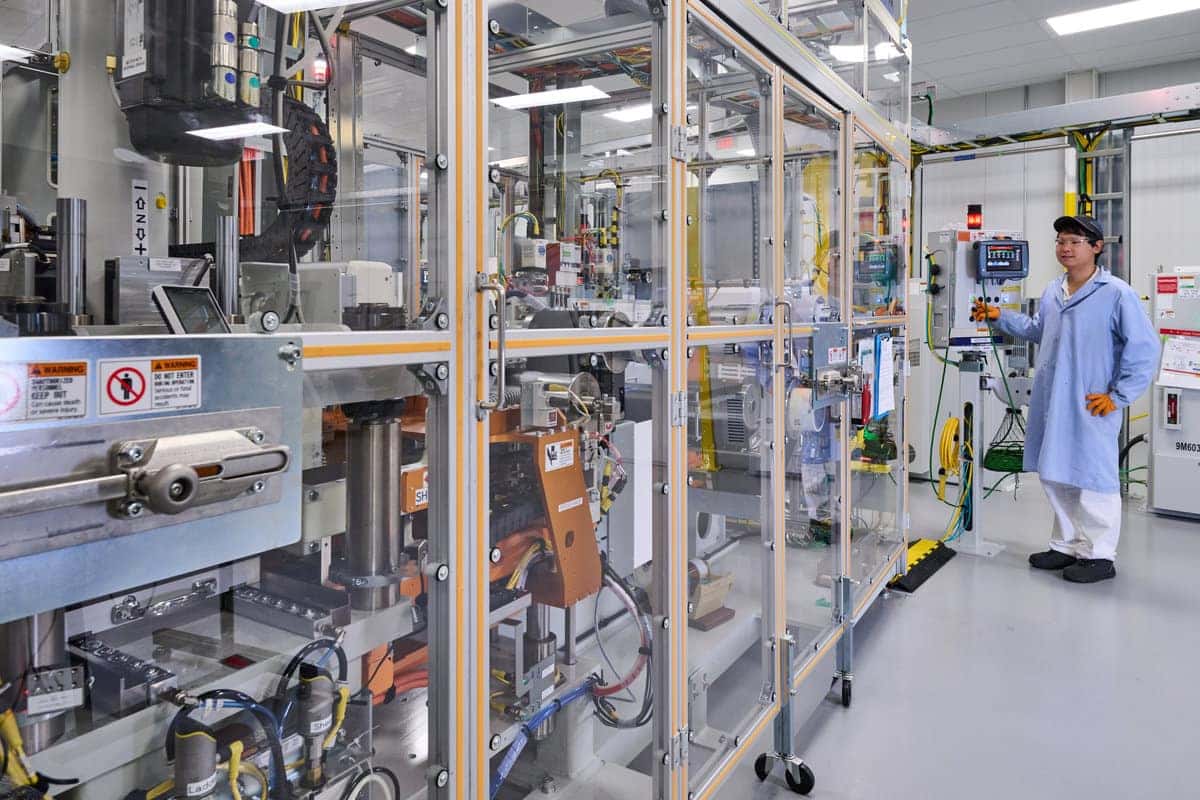
Fuel Cell System Manufacturing LLC (FCSM) was established in January 2017 as the first automotive joint venture dedicated to producing advanced fuel cell systems. Located in Brownstown, Michigan, the facility only began series production in early 2024. Now, less than two years later, production will cease.
"While hydrogen holds promise for specific high-demand industrial applications like backup power, mining, and heavy trucking, the path to reaching a sustainable business in fuel cells is long and uncertain."
General Motors, Official Statement (October 2025)
GM had already announced in October 2025 that it would shutter its entire HYDROTEC program, stating it would focus on "batteries, charging technology, and EVs, which have clear market traction."
>> RELATED: Honda Advances Hydrogen Strategy with Production Launch of Fuel Cell Electric Vehicle in Ohio
The Infrastructure Problem
According to the U.S. Department of Energy, only 61 hydrogen refueling stations exist nationwide compared to more than 250,000 EV charging locations. That is a 4,000-to-1 advantage for battery infrastructure.

A look at the current numbers defining the hydrogen mobility landscape, from public station availability to recent shifts by Shell and BP.
Shell exited California's light-duty hydrogen market in February 2024, citing "hydrogen supply complications and other external market factors." BP quietly dissolved its mobility team in April 2025. Both companies continue operating hydrogen production assets, but their focus on passenger vehicles has ended.
Where Hydrogen Actually Works
Heavy-duty applications offer a clearer path forward. Long-haul trucking, mining equipment, and stationary power present use cases where hydrogen's advantages become compelling.

"The industry has made strong progress over the past five years, demonstrating its ability to innovate and scale. We are now at a pivotal juncture: accelerating market creation and securing binding offtake agreements must become the priority."
Hydrogen Council, September 2025 Report
According to the Hydrogen Council, the clean hydrogen sector has surpassed $110 billion in committed investment across more than 500 projects worldwide.
The Heavy-Duty Advantage
- Range and refueling: Hydrogen trucks travel 500+ miles and refuel in minutes, matching diesel performance
- Predictable routes: Trucking corridors allow targeted infrastructure investment at specific locations
- Payload capacity: Lighter hydrogen systems preserve revenue-generating cargo capacity
>> RELATED: Fuel Cell Market Worth $18.16 Billion by 2030

Honda's Next Chapter
Unlike GM, Honda is not abandoning hydrogen entirely. The Japanese automaker has more than 30 years invested in fuel cell research and views hydrogen as one of its "new core businesses." Honda will develop next-generation fuel cell systems independently, targeting commercial vehicles, stationary power, and construction machinery.
| Company | Action | Future Focus |
|---|---|---|
| Honda | Exiting FCSM by 2026 | Commercial and industrial applications |
| GM | Shuttered HYDROTEC (Oct 2025) | Battery EVs and charging |
| Shell | Closed CA stations (Feb 2024) | Heavy-duty refueling only |
| BP | Dissolved mobility team (April 2025) | Industrial hydrogen production |
>> RELATED: Hydrogen Hubs Face Critical Turning Point
A Strategic Realignment
The U.S. hydrogen hub program continues despite funding shifts, with five regional hubs in development. Companies like Hyundai push forward with heavy-duty trucks, and the XCIENT Fuel Cell has accumulated over 13 million kilometers across 13 countries.
The Honda-GM split signals a maturing industry rather than a failing one. Passenger vehicle hydrogen faced impossible economics: building stations everywhere for a tiny customer base. Heavy-duty applications flip that equation. For trucking fleets and industrial operators, hydrogen offers genuine advantages. For commuters, EVs have already won.
Hydrogen mobility is not dead. It is just growing up, finding its real purpose in applications where it can make the biggest impact on decarbonization. And that strategic realignment might be exactly what the technology needed all along to prove its true value in the clean energy transition.
Subscribe to the newsletter
Daily decarbonization data and news delivered to your inbox
Follow the money flow of climate, technology, and energy investments to uncover new opportunities and jobs.
Latest issues
-
Europe's First Full-Scale CO2 Storage Is Now Live
Inside This Issue 🌊 EU's First Full-Scale Carbon Storage Site Goes Live as INEOS Greensand Begins Operations ⚡ IRS 45Z Guidance Reshapes U.S. Biofuel Economics 🏭 Avnos Introduces the Avnos HDAC Mo...
-
Mammoth DAC Plant in Iceland Hits 5x Carbon Removal Output
Inside This Issue 🌱 Climeworks Cuts Mammoth DAC Operating Costs by Over 50% 💰 ExxonMobil Wins Texas Approval for $5bn Carbon Capture Project 🌐 Open Coalition Approves Work Plan and Defines Secreta...
-
Origins Hub Will Store 1.5 Million Tonnes of CO2 in Alberta
Inside This Issue 🍁 Enhance Energy's Origins Hub Reshapes Alberta Carbon Storage 🤝 Carbon Unbound Merges East and West Coast Summits Into One Flagship North American CDR Event 🧭 Vortex Energy Enga...
Company Announcements
-
MAX Power Engages Global Technology Leader Kyndryl to Build Commercialization Strategy for MAXX LEMI
Kyndryl Canada has been engaged to deliver a commercialization strategy and go-to-market plan for MAX Power’s proprietary AI-assisted MAXX LEMI platform, built on Canada’s first confirmed subsurfac...
-
Perdue Farms and Arva Intelligence will serve as the first adopters of the Registry as part of a new pioneering organization each is helping to co-found – an environmental board of trade (EBOT) - ...
-
Exomad Green and Carbonfuture Expand Long-Term Supply as Buyers Prioritize Proven Delivery
The world’s largest supplier of delivered durable carbon removal deepens its commercial collaboration with Carbonfuture as buyers prioritize execution, traceability and reliable delivery SANTA CRU...
-
Avnos Introduces the Avnos HDAC™ Module, Its First Factory-Built Product Line
Avnos enters commercial manufacturing with its first standardized HDAC™ module built, tested and ready for deployment. LOS ANGELES -- BUSINESS WIRE--Avnos, developer of infrastructure-scale Hybrid...