
San Antonio's largest utility is breaking new ground in clean energy deployment with a pioneering hydrogen pilot that transforms natural gas into both clean fuel and usable road materials. CPS Energy has partnered with Seattle-based Modern Hydrogen to test commercial-scale technology that could reshape how North America approaches hydrogen infrastructure.
The collaboration represents one of the most significant utility-scale hydrogen demonstrations in the United States, featuring technology that simultaneously produces clean energy while creating valuable carbon products for local infrastructure projects.
>> RELATED: US Companies CPS Energy, Modern Hydrogen Agree to Work on Clean Power Generation Project
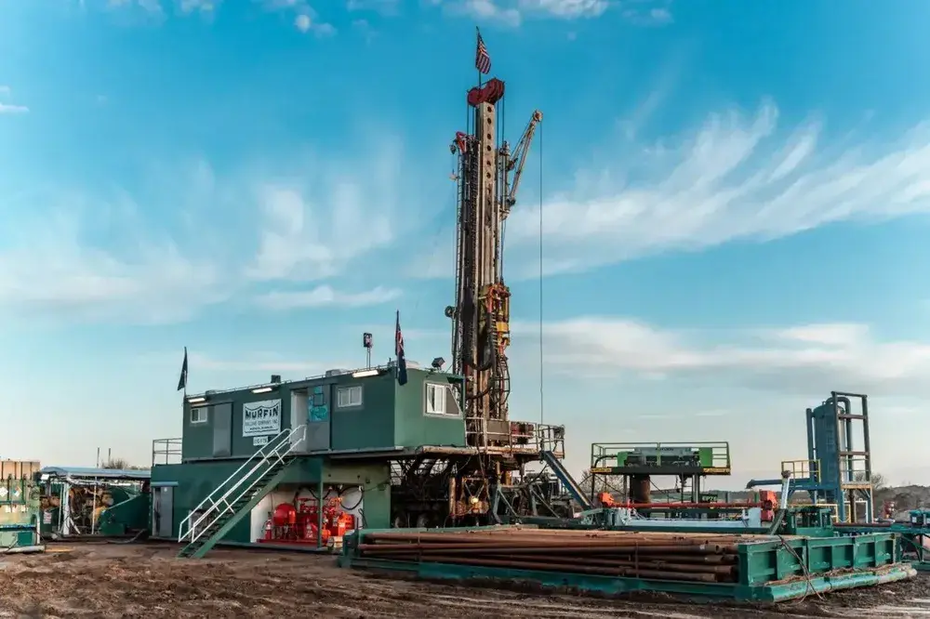
Revolutionary MH500 Technology at Work
The heart of this breakthrough project lies in Modern Hydrogen's MH500 unit, which fundamentally reimagines natural gas utilization. Rather than simply burning gas for energy, this technology splits natural gas into two valuable products: clean hydrogen and solid carbon.
Key Technical Specifications
- Daily Production: 500 kilograms of hydrogen per unit
- Dual Output: Clean hydrogen + solid carbon byproduct
- Applications: Power generation, fuel blending, fuel cell vehicles
- Installation Target: Early 2026 at existing CPS facility
The hydrogen produced can serve multiple purposes: generating electricity directly, blending with natural gas systems to reduce emissions, or fueling hydrogen-powered vehicles. Meanwhile, the solid carbon byproduct gets transformed into Modern Asphalt, an enhanced paving material that will strengthen Bexar County roads.
Strategic Timeline and Testing Framework
CPS Energy's approach reflects careful planning for long-term viability rather than rushing to market. Jonathan Tijerina, Vice President of Corporate Development for CPS, outlined the comprehensive testing schedule that prioritizes reliability and scalability.

"It can't just be a one-and-done. The ability to be repeatable, the ability for its long-term sustainability, from an emissions-reduction standpoint but also from an actual infrastructure investment — is it scalable?"
Jonathan Tijerina, VP Corporate Development, CPS Energy
The project timeline extends across multiple phases. Initial preparation and site acceptance testing will consume 18-36 months before the unit becomes operational. Once active, the partnership includes four years of continuous operation to thoroughly evaluate performance and scalability potential.
Cost Structure and Incentives
The financial arrangement balances innovation with fiscal responsibility. Modern Hydrogen handles equipment installation and operation, while CPS Energy covers operational costs including gas, electricity, and site preparation. Both companies plan to pursue state and federal incentives to reduce overall project expenses.
Bill Gates Investment Signals Industry Confidence
Modern Hydrogen's backing by technology visionary Bill Gates through his Breakthrough Energy ventures adds significant credibility to the pilot project. Gates has consistently championed hydrogen as a critical decarbonization tool, particularly for hard-to-electrify sectors.
"Swiss Army Knife of decarbonization"
Bill Gates describing hydrogen, Air Liquide USA
The Gates investment validates Modern Hydrogen's technology approach while positioning the CPS Energy pilot as part of a broader strategic vision for American energy transformation.
Federal Policy Creates Urgency
Recent federal legislation has dramatically altered the timeline for hydrogen project development. The Trump administration's "big, beautiful bill" signed into law on July 4 changed the terms of the Biden administration's clean hydrogen production tax credit, moving the construction deadline from January 1, 2033 to January 1, 2028.
This policy shift makes the CPS Energy pilot particularly timely, as successful demonstration could accelerate commercial deployment before the federal incentive window closes. The shortened timeline emphasizes the importance of proving technology viability quickly and efficiently.

>> In Other News: Advent Technologies Receives Order from Global Energy Giant for Ion Pair HT- PEM Electrode Assemblies
Expanding Network of Utility Partners
CPS Energy joins a select group of major utilities testing Modern Hydrogen's technology. Puget Sound Energy, Northwest Natural, and NextEra Energy are also deploying similar pilot projects, creating a coordinated testing network across North America.
This multi-utility approach provides valuable data diversity while reducing individual risk exposure. Each utility brings different operational contexts and challenges, strengthening overall technology validation.
Carbon Utilization Innovation
The project's carbon utilization component sets it apart from traditional hydrogen production methods. Instead of releasing or storing carbon emissions, the MH500 captures carbon in solid form that Modern Hydrogen transforms into an enhanced asphalt material.
Modern Asphalt Applications
- Enhanced pavement performance and durability
- Improved sustainability metrics for road construction
- Reduced lifecycle costs compared to traditional asphalt
- Successfully deployed in Portland, Long Island, and Long Beach
Modern Asphalt represents a paradigm shift from waste management to resource creation. The carbon-enhanced material has been successfully deployed in Portland, Oregon; Long Island, New York; and Long Beach, California, according to Modern Hydrogen.
Regional Economic Development Implications
Texas energy leadership supports the pilot as both environmental progress and economic development. Jim Wright, Chairman of the Railroad Commission of Texas, called the deployment an example of how "innovative technologies can unlock new value from the Eagle Ford and other prolific basins."
The project positions Texas as a leader in next-generation energy technologies, building on the state's existing strengths in natural gas production and energy innovation. Success could attract additional hydrogen investments and manufacturing facilities to the region.
National Hydrogen Infrastructure Context
The United States currently operates approximately 1,600 miles of hydrogen-dedicated pipelines, concentrated primarily in Texas and Louisiana according to Modern Hydrogen. The Department of Energy announced $7 billion in federal funding in 2023 to support seven regional "Hydrogen Hubs," though the future of this initiative remains uncertain under the current administration.
Technology Scaling Potential
Modern Hydrogen's modular approach allows for incremental capacity expansion based on demand and performance validation. Each MH500 unit represents a building block that can be replicated and networked for larger-scale deployment.
The pilot's success metrics will include not only technical performance but also economic viability, environmental impact, and integration complexity. These factors will determine whether the technology can scale from demonstration to commercial deployment across North America's utility sector.
| Phase | Timeline | Key Activities |
|---|---|---|
| Preparation | 18-36 months | Site acceptance, equipment testing, system integration |
| Installation | Early 2026 | MH500 unit deployment and commissioning |
| Operation | 4 years active | Continuous testing and performance evaluation |
Transforming America's Energy Landscape
The CPS Energy pilot represents more than a single utility's innovation experiment. It demonstrates how established energy infrastructure can evolve to support decarbonization goals while maintaining reliability and economic viability.
Success could accelerate similar deployments across North America's utility sector, creating a distributed network of hydrogen production facilities integrated with existing natural gas systems. This approach offers a practical pathway for large-scale hydrogen adoption without requiring entirely new infrastructure investments.
As federal incentives create urgency around hydrogen deployment and technology leaders like Bill Gates validate innovative approaches, projects like this CPS Energy pilot may prove instrumental in establishing hydrogen as a cornerstone of America's clean energy future.
Subscribe to the newsletter
Daily decarbonization data and news delivered to your inbox
Follow the money flow of climate, technology, and energy investments to uncover new opportunities and jobs.
Latest issues
-
Verra Landed CCP Approval. What Changes for DAC?
Inside This Issue ✅ Verra's CCS Credits Just Got the Integrity Seal Buyers Want 💰 South Korea Unveils $747 Billion Energy Transition Plan Through 2035 💧 Hydrogen and Carbon Capture and Storage in ...
-
Quebec Wood Waste Just Became Jet Fuel
Inside This Issue 🌲 ARC Bio Tests a Refinery Shortcut to Forest-Based SAF 💧 Scientists Just Found a New Way to Make Hydrogen from Water 🤝 How Channel Partnerships Are Helping More Organizations Ta...
-
How Vaulted Deep Turned Offtakes Into $35M Debt
Inside This Issue 🏦 How Carbon Removal Offtakes Are Starting to Unlock Commercial Debt 🌉 California Opens the Door to a Three-Way Carbon Market 🧪 New Material Developed at Oregon State Provides Bo...
Company Announcements
-
Gevo and ClimeFi Complete Carbon Removal Transaction, Advancing Gevo's Growing Carbon Business
Transaction supports Gevo's path toward a carbon business exceeding $30 million in annual revenue from existing operations ENGLEWOOD, Colo., Oct. 08, 2026 (GLOBE NEWSWIRE) -- Gevo, Inc. (NASDAQ: G...
-
ZeroMe Launches OffsetC App to Bring Transparency and Personal Agency to Carbon Offsetting
NEW YORK, Oct. 07, 2026 (GLOBE NEWSWIRE) -- ZeroMe, Inc. today announced the launch of the OffsetC carbon offset app, designed to make buying carbon credits more transparent, more accessible, and e...
-
CALGARY, AB, Oct. 8, 2026 /CNW/ - Gas Liquids Engineering Ltd. (GLE) is pleased to announce the successful completion of its detailed engineering scope for Enhance Energy Inc.'s Origins Carbon Capt...
-
Ballard Secures 4.8MW Order From Siemens Mobility to Power Hydrogen Trains in Romania
24 FCrail™ fuel cell modules will power 12 Mireo Plus H trains, Romania’s first hydrogen fleet and the platform’s largest deployment to date. VANCOUVER, CANADA and MUNICH, GERMANY – Ballard Power ...