
PowerCell Group has won a SEK 440 million order to supply 27 MW of hydrogen fuel cells to an established American electric cooperative. The southern utility will turn surplus solar power into green hydrogen, store it, and convert it back into electricity at night or on demand.
PowerCell is a Gothenburg, Sweden-based developer of hydrogen fuel cell stacks and systems. It announced the deal on November 20, 2026, through its American subsidiary, PowerCell Inc. The PowerCell SEK 440 million utility-scale order moves the company deeper into grid power.
Key Facts
- Order value: SEK 440 million, announced November 20, 2026 (PowerCell)
- Customer: an established electric cooperative in the southern United States (name not disclosed)
- Capacity: 27 MW of installed fuel cell capacity delivering 20 MW of rated power
- Platform: containerized PowerPod 3000 with PS190 fuel cell systems
- Use case: surplus solar makes green hydrogen, and PEM fuel cells turn it back into power
- Delivery: expected over 18 to 24 months
- Service: the parties intend to sign a service level agreement before commissioning
>> In Other News: Leading the World on Carbon Capture and Storage
The order is worth nearly 15 times PowerCell's July 2026 order for ECL's data center campus in California. Several details remain undisclosed, including the cooperative's name and a commissioning date.
How Will the Cooperative's System Work?
The cooperative will store surplus solar power as hydrogen and run PEM fuel cells when sunlight fades. PowerCell says the installation will deliver 20 MW of rated power from 27 MW of installed fuel cell capacity.
Excess solar electricity will produce green hydrogen for long-duration storage. The stored hydrogen then feeds the fuel cells at night, during low solar output, or whenever extra power is needed.
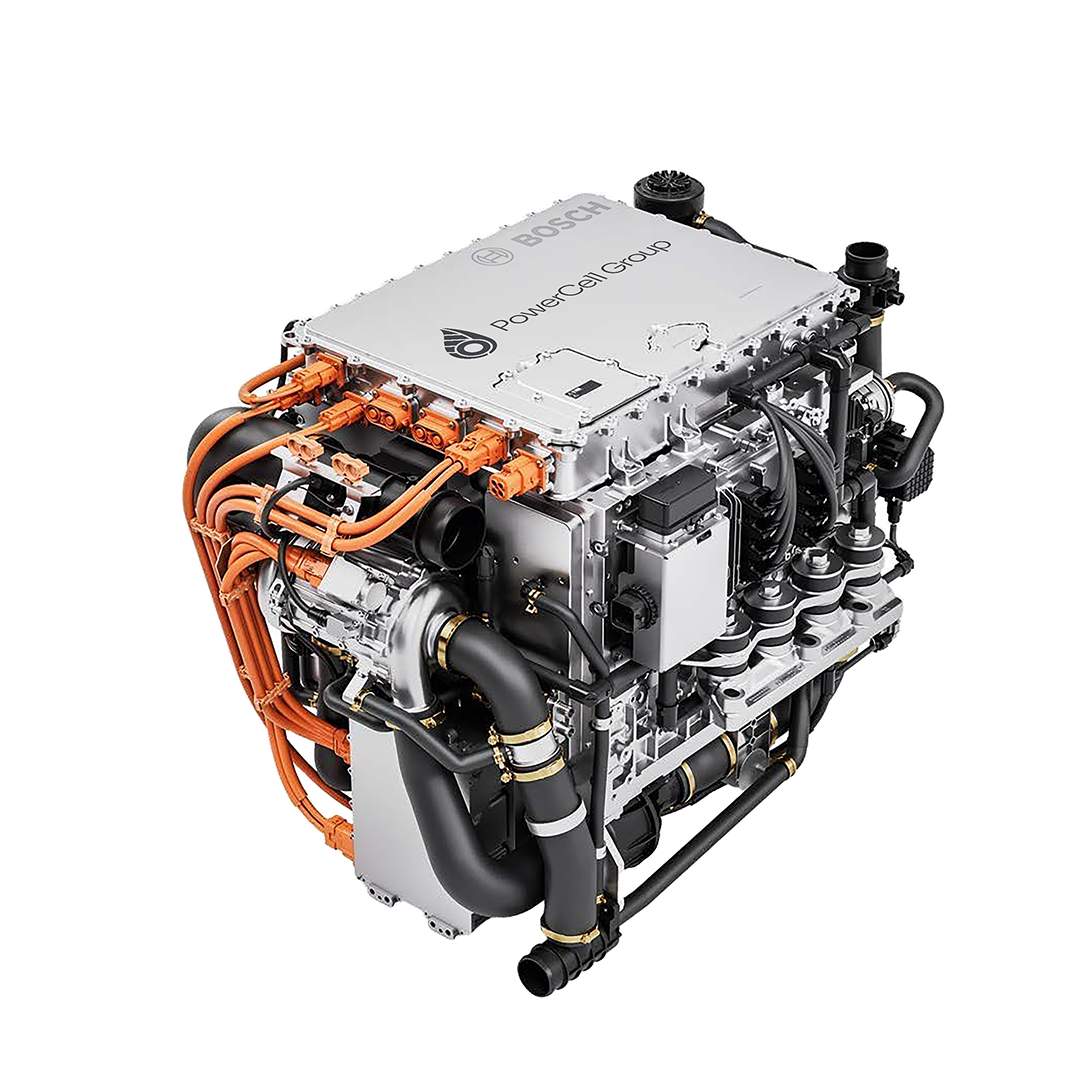
The installation is built on PowerCell's containerized PowerPod 3000 platform. Each unit combines several components:
- PS190 fuel cell systems, based on a 190 kW module that pairs PowerCell and Bosch technology
- Power conversion equipment and cooling systems
- PowerCell's Distributed Master Controller (DMC)
- Control and Energy Orchestration software
PowerCell will supply and integrate the fuel cell installation within its agreed scope. The release does not name the electrolyzer supplier or describe how the hydrogen will be stored.
Hydrogen plays a similar storage role at the ACES Delta hub in Delta, Utah. There, 220 MW of electrolyzers feed hydrogen into two salt caverns for later power generation.

Illustration of PowerCell's planned utility-scale hydrogen power system in the southern United States. Surplus solar electricity produces hydrogen for long-duration storage, while PowerPod 3000 units using PS190 PEM fuel cells provide up to 20 MW of rated power when needed. The SEK 440 million order covers 27 MW of installed fuel cell capacity, with delivery expected over 18 to 24 months. Illustration: Decarbonfuse.
Why Does the Water Byproduct Matter?
PEM fuel cells produce water as they generate electricity. PowerCell says the cooperative may recover and reuse that water, which could reduce the project's net water needs.
The company has not put a number on the water volume. It says the amount depends on final system configuration, operating conditions, and water treatment requirements.

"What makes this application particularly interesting is the combination of energy and water. Our fuel cells convert stored hydrogen into reliable electricity while also producing water that can potentially be recovered and reused."
Richard Berkling, CEO, PowerCell Group
Water benefits also feature in other hydrogen power projects. A Bay Area data center running on hydrogen aims to tackle both power and water demands.
PowerCell's data center materials describe the same benefit. The company says hydrogen operation produces water with the potential to be net-positive on site.
How Big Is This Order for PowerCell?
The SEK 440 million order is nearly 15 times the value of PowerCell's July 13, 2026 order for ECL. It also carries about five times the installed capacity.
Richard Berkling, PowerCell's CEO, called the order "an important step in establishing Power Generation as our second major segment alongside Marine."
| Detail | ECL CSC-1 Order | Cooperative Order |
|---|---|---|
| Announced | July 13, 2026 | November 20, 2026 |
| Order value | About SEK 30 million | SEK 440 million |
| Installed capacity | 5 MW class | 27 MW (20 MW rated) |
| Application | AI data center campus in Santa Clara, California | Solar-to-hydrogen utility power in the southern United States |
| Equipment | PS190 systems plus DMC licenses | PowerPod 3000 with PS190 systems |
| Delivery | Scheduled for completion by the end of 2026 | Over 18 to 24 months |
The ECL deal also included a non-binding memorandum of understanding for about 300 MW of further capacity. Decarbonfuse covered it in the ECL and PowerCell 300 MW partnership report.
Other recent deals point the same way. On October 21, 2026, PowerCell and Bosch, its largest shareholder, signed a non-binding MoU to jointly develop stationary power projects of at least 15 MW. On November 10, PowerCell booked a SEK 15 million order from H2SITE for an ammonia-to-power project in Norway.
"It demonstrates how our industrialized PEM technology, system integration and Energy Orchestration capabilities can create value at utility scale."
Richard Berkling, CEO, PowerCell Group
Where Else Is Hydrogen-to-Power Taking Hold in the U.S.?
Several utilities and data center developers in the United States already pair stored hydrogen with power generation. These projects use hydrogen to deliver clean electricity when it is needed.
In California, Energy Vault and utility PG&E began commercial operation of the Calistoga Resiliency Center on September 25, 2025. The hybrid microgrid pairs hydrogen fuel cells with batteries for 8.5 MW of peak output and 293 MWh of storage.
In northern New Mexico, Kit Carson Electric Cooperative secured a $231 million USDA grant in January 2025 for its Questa hydrogen and solar project. The cooperative reaffirmed the project on January 8, 2026. It is a separate effort, and PowerCell has not named its own customer.
Kit Carson Electric Cooperative explains hydrogen storage and emergency planning for its Questa project, another co-op effort pairing solar with hydrogen.
Hydrogen supply is growing alongside demand. Plug Power's 5 MW GenEco electrolyzer at Avina's California plant can produce 2.1 metric tons of hydrogen per day. In Oakland, Molten Industries commissioned its methane pyrolysis graphite plant on November 18, 2026, with hydrogen as a co-product.
Investors are also backing fuel cells for steady on-site power. The story of how fuel cells moved from Mars research to AI data centers includes a Brookfield commitment of up to $5 billion. A separate $1.7 billion fuel cell financing for Nebius data centers followed in July 2026.
From Order to Commissioning: What Comes Next?
PowerCell expects to deliver the 27 MW installation over 18 to 24 months. The parties intend to sign a dedicated service level agreement before commissioning.
The release leaves several details open. Readers tracking the project should watch for these disclosures:
- The cooperative's name
- The electrolyzer supplier
- The hydrogen storage method and size
- A commissioning date
- The volume of water that can be recovered
Each answer will show how quickly utilities can scale solar-to-hydrogen storage. For now, the SEK 440 million order gives PowerCell a 27 MW utility reference project in the United States.
Frequently Asked Questions
What is PowerCell's PowerPod 3000?
The PowerPod 3000 is PowerCell's containerized fuel cell platform. It combines PS190 fuel cell systems with power conversion, cooling, the Distributed Master Controller, and Energy Orchestration software.
How does hydrogen work as long-duration energy storage?
Surplus renewable electricity powers an electrolyzer that splits water into hydrogen. The hydrogen is stored, then fed to fuel cells that generate electricity when solar output drops.
When will the cooperative's fuel cells start running?
PowerCell has not announced a commissioning date. The company expects delivery to take place over 18 to 24 months.
A southern cooperative's solar panels will soon keep paying off after sunset. PowerCell's 27 MW order turns that idea into a signed contract with a delivery timeline.
For ongoing coverage of carbon removal, BECCS, and corporate CDR procurement, subscribe to Decarbonfuse.com.
Subscribe to the newsletter
Daily decarbonization data and news delivered to your inbox
Follow the money flow of climate, technology, and energy investments to uncover new opportunities and jobs.
Latest issues
-
Molten's 300-Ton Bet Against China's Graphite Grip
Inside This Issue 🔋 Molten Industries Turns Natural Gas Into Graphite in Oakland 🌊 COOEC Completes Onshore Construction of China's First Offshore CCUS Project at Dongfang 1-1 Gas Field ⚡ Técnicas ...
-
Microsoft-Backed Saskatchewan Project Makes Canada's Carbon Removal Cut
Inside This Issue 🍁 North Star Carbon Removal Project Selected by Government of Canada for Landmark Carbon Removal Procurement Program 🚢 Trafigura Ship Fuel Venture Isn't Rushing Into Alternative ...
-
Molten’s Oakland Plant Takes Aim at China’s Graphite
Inside This Issue 🔋 Molten Industries Commissions World’s First Plant to Produce Battery-Grade Graphite from Natural Gas 🪨 European Commission Presents Draft Rules for Certifying Enhanced Rock Wea...
Company Announcements
-
Leading the World on Carbon Capture and Storage
Alberta is updating its carbon capture incentive program to more closely match federal programs and support major projects and new oil production. The changes to the Alberta Carbon Capture Incenti...
-
Agreement connects engineered biochar pelletization with a planned regional supply network supporting Verde’s long-term commercialization strategy and collaboration with Ergon Asphalt & Emulsio...
-
Companies will combine advanced electrolyzer technology with compression, storage and fueling equipment to accelerate deployment of modular, end-to-end hydrogen systems and solutions November 25, ...
-
Coalition Submits “Recommendations for Improving the UIC Class VI Regulatory Program” to EPA
The Carbon Capture Coalition recently transmitted a series of recommendations to the US Environmental Protection Agency (EPA) on how best to improve the Underground Injection Control (UIC) Class VI...