
Green ammonia is not just a hydrogen carrier. It is a food security play, and the industry is starting to treat it that way. Two major project awards in spring 2026, one in Jordan and one in Quebec, are quietly making the same case. Clean ammonia will reshape how the world grows food before it reshapes how the world moves energy.
Key Facts
- Ammonia-derived nitrogen fertilizers grow food that feeds approximately 3.8 billion people globally (ACS Environmental Science and Technology, 2025; Nature Food, 2024)
- Global ammonia production generates roughly 450 million metric tonnes of CO2 per year, about 1.2% of all global emissions (McKinsey, 2023)
- Conventional ammonia production emits approximately 2.4 tonnes of CO2 for every tonne produced (IEA, Ammonia Technology Roadmap)
- The Topsoe-Hynfra Jordan project will avoid more than 200,000 tonnes of CO2e per year when fully operational (Topsoe press release, March 31, 2026)
- Plug Power's Quebec FEED award covers a 275 MW GenEco PEM electrolyzer system, one of the largest electrolyzer awards in the company's history (Plug Power press release, April 2, 2026)
- Nitrogen fertilizer use grew 30% globally between 2000 and 2021, while world population grew 25% (Nature Food, February 2025)
- Five countries, China, Russia, Egypt, Saudi Arabia, and Qatar, account for half of all global fertilizer exports (ACS Environmental Science and Technology, 2025)
>> In Other News: Jet Fuel Remains Elevated At ~$4.18/Gallon, Highlights Cost Pressure Across Commercial Aviation
Why Is Ammonia a Food Security Issue?
Ammonia is the building block of nitrogen fertilizers. Those fertilizers grow food for approximately 3.8 billion people, roughly half the global population. That figure is confirmed by a 2025 study in ACS Environmental Science and Technology and a 2024 paper in Nature Food.
The problem is how ammonia is currently made. The Haber-Bosch process, the dominant industrial method, strips hydrogen from natural gas. It emits roughly 2.4 tonnes of CO2 for every tonne of ammonia produced, according to the IEA's Ammonia Technology Roadmap. Globally, that adds up to roughly 450 million metric tonnes of CO2 per year. That is about 1.2% of all global greenhouse gas emissions, per McKinsey's 2023 analysis. That makes ammonia production one of the most carbon-intensive chemical processes on Earth, larger than many entire national carbon capture and industrial decarbonization portfolios combined.
Green ammonia removes the fossil fuel step entirely. Electrolyzers split water into hydrogen using renewable electricity. That green hydrogen then feeds into the same Haber-Bosch synthesis, producing ammonia with no carbon byproduct.
The demand is not going away. Nitrogen fertilizer use grew 30% between 2000 and 2021, even as world population grew only 25%, per a February 2025 Nature Food study. The food system needs more ammonia, not less. The shift to green production is the only viable path to meeting that demand without locking in another generation of fossil-fuel emissions.
What Did Topsoe and Hynfra Announce in Jordan?
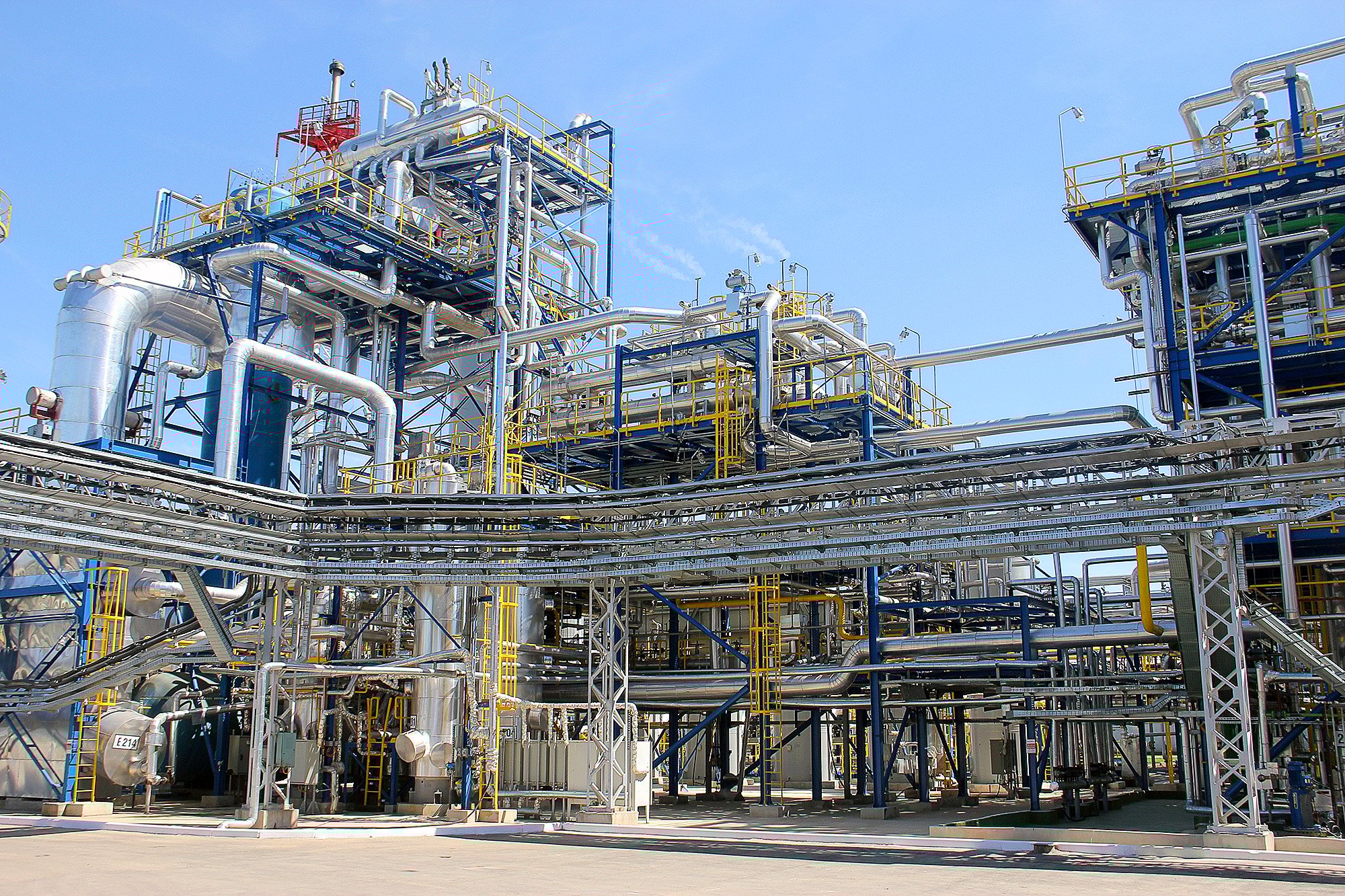
On March 31, 2026, Topsoe, a Danish energy transition technology company, signed a Front-End Engineering and Design agreement with Hynfra P.S.A. Hynfra is a Polish green hydrogen developer. The agreement covers the Jordan Green Ammonia project, located at the port of Aqaba. It is Hynfra's first project in the Middle East and is structured as a joint venture with Fidelity Group, a UAE-based industrial development company.
Topsoe will supply its ModuLite platform. The ModuLite system is a modular ammonia synthesis technology that converts green hydrogen into ammonia on site. It is built for fast deployment and scalable production in units of under 600 tonnes per day, which can be stacked for larger output.
The final investment decision is expected in 2027. The plant is targeted to begin operations in 2030. When fully operational, it will avoid more than 200,000 tonnes of CO2e per year compared to equivalent conventional gas-based production, per Topsoe's official announcement.
"Green ammonia is key to cutting emissions across energy-intensive industries such as heavy industry and agriculture. That's why scaling up green ammonia production matters."
Kim Hedegaard, CEO Power-to-X, Topsoe (March 31, 2026)
Hynfra's stated plan is to export the green ammonia to international fertilizer markets. This is not a domestic energy play. Jordan's port location at Aqaba gives the project direct shipping access to African, Asian, and European fertilizer buyers.
Jordan has set a national target to produce 600,000 tonnes of green hydrogen by 2030. Output is projected to reach 3.4 million tonnes by 2050, per its Ministry of Energy and Mineral Resources (2024). The Aqaba project is a direct step toward that roadmap.
What Is Plug Power Building in Quebec, and Who Is It For?
On April 2, 2026, Plug Power Inc. (NASDAQ: PLUG) was awarded the FEED contract to supply a 275 MW GenEco PEM electrolyzer system for Hy2gen Canada Inc.'s Courant project in Baie-Comeau, Quebec. It is one of the largest single electrolyzer awards in Plug Power's history.

"This project reflects growing demand for proven electrolyzer technology and experienced partners capable of supporting complex, high-capacity developments required for industrial decarbonization."
Jose Luis Crespo, President and CEO, Plug Power (April 2, 2026)
The Courant facility will use electricity from the Hydro-Quebec grid to produce low-carbon ammonia. That ammonia will then be converted into renewable ammonium nitrate for Canada's mining industry. Baie-Comeau was chosen for its low-carbon hydroelectric power, existing industrial infrastructure, and deep-water port access for export, per the official project announcement.
The final investment decision is expected by late 2026. Construction is targeted to begin in 2027. Full commissioning is planned for 2029, per Plug Power's April 2, 2026 press release.
Hy2gen currently has 3.4 GW of electrolysis capacity in planning and construction, with a further 15 GW in development across five countries. The Courant project is its North American anchor. The broader North American green hydrogen pipeline is maturing fast, and the Quebec project is one of the clearest proof points.
How Do These Projects Connect to Food Security?
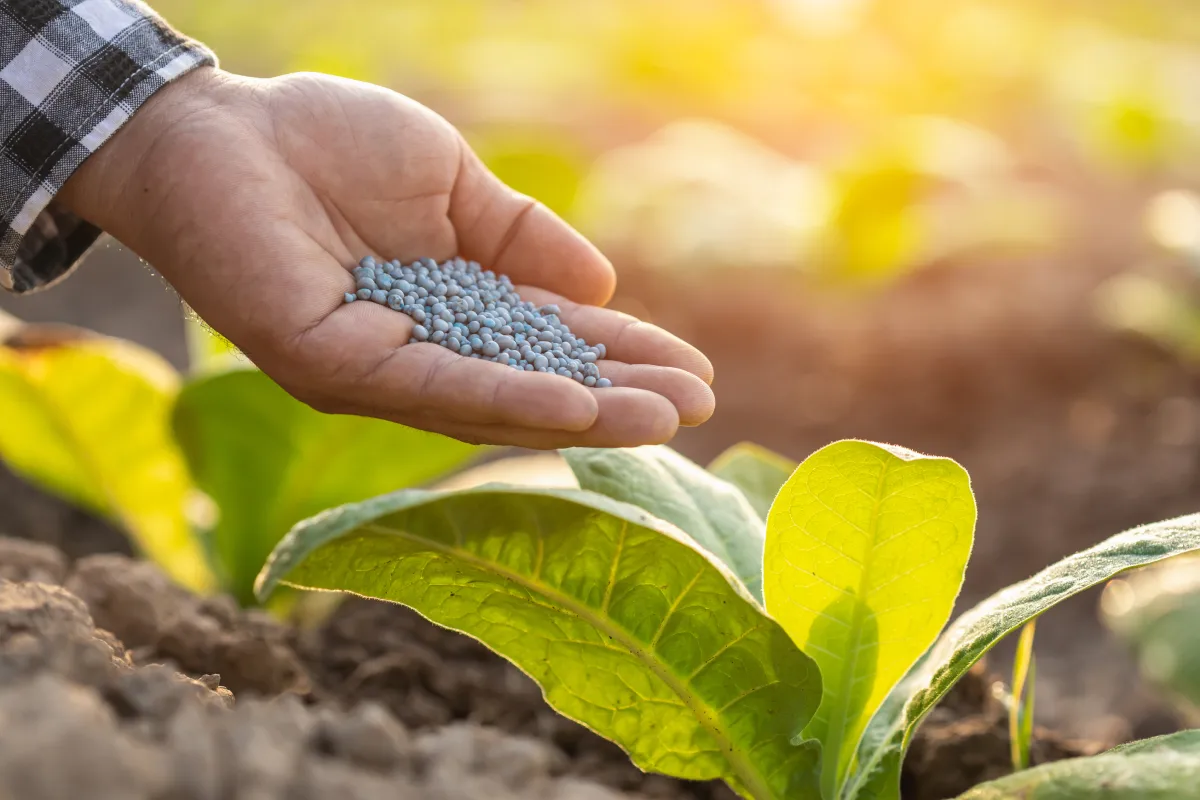
The food link is direct. Ammonia-derived nitrogen fertilizers feed 3.8 billion people. Demand is rising. The supply chain behind that fertilizer is highly concentrated and exposed to disruption.
Five countries account for half of all global fertilizer exports: China, Russia, Egypt, Saudi Arabia, and Qatar. That is per the 2025 ACS Environmental Science and Technology study. That same study found the food security of 637 million people is linked to ammonia production in water-stressed regions within those five countries.
Green ammonia projects in Jordan and Quebec can begin to shift that geographic risk. Countries that import fertilizer from politically volatile regions get access to cleaner, more stable supply chains. North American hydrogen infrastructure is increasingly positioned to serve those markets. Aqaba's port gives the Jordan project shipping access to Africa and Asia, where fertilizer import vulnerability is highest.
The Courant project's end product is ammonium nitrate for mining explosives, not fertilizer directly. But the connection still holds. Mining extracts critical minerals. Some of those minerals feed fertilizer production further upstream. Decarbonizing mining explosives reduces the embedded carbon across the entire fertilizer supply chain.
| Project | Location | Scale | End Market | Target Date |
|---|---|---|---|---|
| Jordan Green Ammonia (Topsoe / Hynfra) | Aqaba, Jordan | $1 billion project; avoids 200,000+ t CO2e/year | International fertilizer export | Operations in 2030 |
| Courant Project (Plug Power / Hy2gen Canada) | Baie-Comeau, Quebec | 275 MW GenEco PEM electrolyzer | Mining (decarbonized ammonium nitrate) | Commissioning in 2029 |
What Does the Broader Green Ammonia Pipeline Look Like?
These two projects are not isolated moves. The IEA's Ammonia Technology Roadmap notes that existing and announced projects are scheduled to come online by 2030. Together they total nearly 8 million metric tonnes of near-zero-emission ammonia capacity. That represents roughly 3% of total 2020 global production capacity.
Plug Power has shipped more than 300 MW of GenEco electrolyzers worldwide across six continents, per the company's March 2026 investor data. Topsoe's ModuLite platform is active in multiple projects globally. The largest is the NEOM green hydrogen facility in Saudi Arabia, which targets 3,500 tonnes of ammonia per day at full scale.
The IEA's two main scenarios for the ammonia sector are clear. The Sustainable Development Scenario requires a 70% cut in direct CO2 emissions from ammonia production by 2050. The Net Zero Emissions Scenario requires a 95% cut. Neither is achievable without a rapid build-out of green ammonia production capacity starting now.
The fertilizer segment is the dominant end market for green ammonia, not a secondary use case. Projects like the ones in Jordan and Quebec target buyers with clear industrial demand and predictable purchase timelines. These are the same hard-to-abate industries that clean fuels are racing to serve across energy transition sectors. That commercial logic is what is driving project selection in this phase of the market.
>> RELATED: Electric Hydrogen Selected by Synergen Green Energy for 240MW U.S. Green Ammonia Project
The Quiet Bet That Is Already Paying Off
Both projects share a common structure. They pair modular electrolyzer technology with low-cost renewable or hydroelectric power and deep-water port access for export. Neither depends on a policy windfall. Both target buyers with real industrial demand and defined timelines. North American hydrogen supply infrastructure is expanding to support exactly these kinds of export-ready industrial ammonia projects.
The Jordan project will avoid more than 200,000 tonnes of CO2e per year at full capacity. That is a meaningful reduction from the fertilizer production chain without reducing a single crop yield. The Quebec project will supply one of North America's largest low-carbon ammonia facilities, anchoring a North American decarbonized explosives supply chain.
Ammonia-derived nitrogen fertilizers fed 3.8 billion people in 2021. That number will be higher in 2030. The question the industry is answering, plant by plant and deal by deal, is whether the next generation of ammonia production will be green.
Based on where the capital is moving right now, the answer is yes.
Frequently Asked Questions
What is green ammonia used for in agriculture?
Green ammonia is the direct feedstock for nitrogen fertilizers such as urea and ammonium nitrate. It functions identically to conventional ammonia in fertilizer production. The only difference is how it is made. Green ammonia uses renewable electricity and water instead of natural gas to produce the hydrogen that feeds the synthesis process.
How much CO2 does the Topsoe Jordan project avoid each year?
When fully operational, the Jordan Green Ammonia project at Aqaba will avoid more than 200,000 tonnes of CO2e annually. That figure is measured against the equivalent output of a conventional natural gas-based ammonia plant, per Topsoe's official announcement from March 31, 2026.
Why did Plug Power and Hy2gen choose Baie-Comeau, Quebec, for the Courant project?
Baie-Comeau gives the project access to Hydro-Quebec electricity, which is among the lowest-cost and lowest-carbon power sources in North America. The site also has existing heavy industrial infrastructure and a deep-water port for exporting low-carbon ammonium nitrate to Canadian and international mining markets.
Subscribe to the newsletter
Daily decarbonization data and news delivered to your inbox
Follow the money flow of climate, technology, and energy investments to uncover new opportunities and jobs.
Latest issues
-
Why Is Wyoming Giving 650,000 Acres to Carbon Storage?
Inside This Issue 🪨 Inside Blm's 650,000-Acre Bet on Wyoming Carbon Storage 🏭 California Advances Carbon Capture and Removal Regulations Under SB 905 ⚡ Why a Japanese Power Giant Is Betting on Den...
-
Colorado Joins the 7-State CCS Permit Fast Lane
Inside This Issue ⚖️ Colorado Takes Over Class VI Permits: What Changes for CCS? 🏭 Hebei Shoulang Facility Using LanzaTech Technology Achieves World’s First ISCC EU RCF Certification for Ethanol P...
-
The US Hasn't Made Heavy Water Since 1982
Inside This Issue ⚛️ Aternium Completes FEED Studies for US Hydrogen, Heavy Water Project 🐄 Google, McKinsey Strike Brazil Carbon Removal Deal With Silvopasture Project 🔧 Cummins Selects Stargate ...
Company Announcements
-
Citi Closes $72 Million Carbon Removal-Linked Note to Support Applied Carbon Biochar Project
HIGHLIGHTS Citi structured an innovative $72 million carbon removal-linked note to provide upfront capital for Applied Carbon's biochar project, marking a first-of-its-kind "outcome bond" for ver...
-
New platform opens access to the same rigorous project evaluations trusted by the world's leading carbon removal procurement programs Today, Relae (formerly Carbon Direct) launched The Diligence C...
-
Inside BLM's 650,000-Acre Bet on Wyoming Carbon Storage
The Bureau of Land Management has offered right-of-way grants covering about 649,438 acres of federal pore space in southwest Wyoming. The September 21, 2026 offers went to Moxa Carbon Storage LLC ...
-
NEW YORK, BUSINESS WIRE, SWITCH Maritime (Switch), a leading developer of zero-emission vessels, secured a Design Basis Agreement (DBA) with the United States Coast Guard (USCG) for the SWITCH-150,...