
A Houston-based technology company just secured a deal that could reshape how aviation thinks about sustainable fuel.
Syzygy Plasmonics has signed a binding six-year offtake agreement with Trafigura, one of the world's leading commodity traders. The deal covers the entire production volume from Syzygy's first commercial facility in Uruguay, with deliveries expected to begin in 2028.
What makes this facility special? It will become the world's first electrified biogas-to-SAF plant producing RFNBO-compliant fuel, a category that meets the strictest European sustainability standards.
>> In Other News: ExxonMobil Faces Antitrust Claims Over Blue Ammonia Project's CO2 Pipeline Access
Light-Driven Tech Meets Dairy Waste
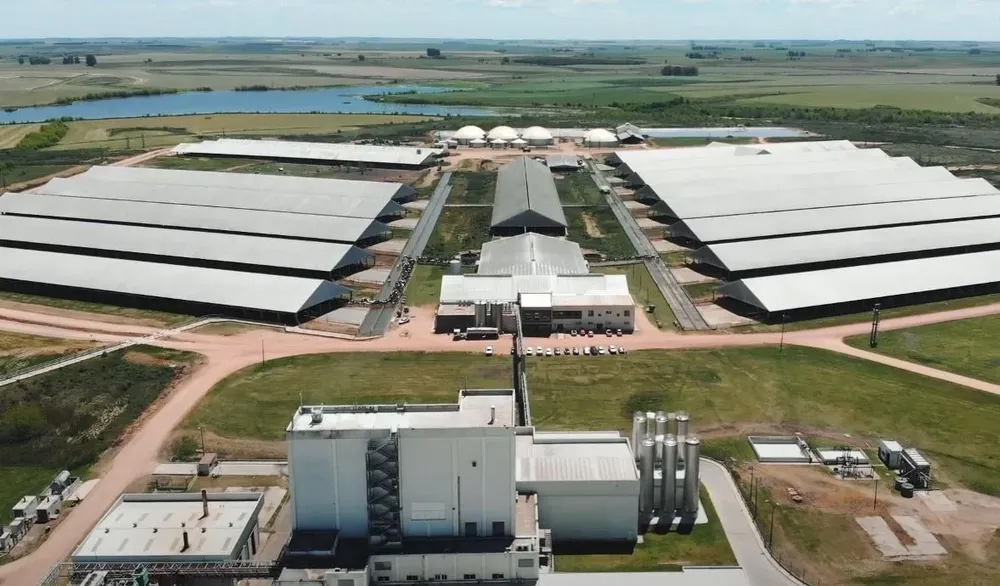
The NovaSAF-1 project, located in Durazno, Uruguay, represents a new pathway for producing sustainable aviation fuel. Instead of relying on conventional feedstocks like vegetable oils or fats, Syzygy's technology converts biogas sourced from the Estancias Del Lago powdered milk plant into synthetic paraffinic kerosene (SPK).
The process uses Syzygy's proprietary photocatalytic reactor technology, which replaces fossil fuel combustion with renewable electricity. Uruguay's abundant renewable grid powers the entire operation.
"This agreement marks a critical step in our journey toward commercial-scale impact and disrupting the SAF market. With a signed offtake agreement from a global leader like Trafigura, and after having successfully completed FEED engineering in December, we're now ready to secure financing for the construction of NovaSAF-1 and move our technology from potential into production."
Trevor Best, CEO of Syzygy Plasmonics
The company completed its Front-End Engineering Design (FEED) in December 2025, setting the stage for project financing and construction.
>> RELATED: ESAF Takes Flight: Power-to-Liquid Tech Sparks 48% Growth
Why This Pathway Matters
The sustainable aviation fuel market is hungry for new production methods. Traditional SAF feedstocks like waste oils and animal fats face growing supply constraints.
Syzygy's approach sidesteps these limitations by tapping into biogas. The resulting fuel delivers 90% lower lifecycle emissions than conventional jet fuel.

The NovaSAF-1 project in Uruguay utilizes light-driven technology to convert dairy biogas into synthetic paraffinic kerosene, targeting a 90% reduction in lifecycle emissions.
The pathway has received ISCC pre-certification to produce both Renewable Fuels of Non-Biological Origin (RFNBO) and Advanced BioSAF compliant fuels. This certification positions the fuel to meet expanding SAF mandates in Europe, the UK, and other markets.
Trafigura's Strategic Play
For Trafigura, this deal extends its reach across the entire low-carbon fuels supply chain. The commodity giant already operates feedstock sourcing, blending, distribution, and into-wing supply to aviation customers globally through subsidiaries like Greenlife, Impala Terminals, and Greenergy.

"This offtake agreement complements our strategy to support the industry's efforts to diversify SAF supply, particularly as regulations increasingly mandate the use of advanced fuels. Trafigura's global low-carbon fuels network positions us to help aviation customers meet these requirements efficiently and cost effectively."
Jason Breslaw, Head of Low Carbon Fuels Business Development at Trafigura
The agreement also includes an option for Trafigura to purchase additional volumes from Syzygy's future projects, potentially locking in a long-term supply relationship.
From Houston to the World
Syzygy Plasmonics has built momentum through strategic investments. Mitsubishi Heavy Industries invested in Syzygy Plasmonics to advance hydrogen and CO2 utilization, while the company raised $76 million in Series C funding from Carbon Direct Capital, Aramco Ventures, Chevron Technology Ventures, and others.

Syzygy's rapid progression from Series C funding to confirmed commercial offtake and targeted delivery.
With Uruguay as the proving ground, Syzygy aims to replicate this model globally and achieve 1 gigaton of carbon emissions reductions by 2040.
Blueprint for U.S. Expansion
The Uruguay project validates Syzygy's technology for future North American deployment. As SAF production scales up across the United States, new feedstock pathways like electrified biogas conversion could help meet ambitious federal targets.
The U.S. aims for three billion gallons of SAF annually by 2030. Companies like Twelve are already building commercial-scale facilities, but the industry needs multiple production pathways. Syzygy's modular platform could offer a scalable solution wherever biogas and renewable electricity converge.
What Comes Next
Syzygy's next milestone is fundraising to build NovaSAF-1. With binding offtake secured and engineering complete, the company has cleared major barriers that typically slow project financing.
This deal signals the SAF market is moving beyond pilot projects. Commercial-scale agreements between technology developers and global commodity traders suggest the industry is ready. For airlines scrambling to meet sustainability commitments, that's exactly the progress they need.
Subscribe to the newsletter
Daily decarbonization data and news delivered to your inbox
Follow the money flow of climate, technology, and energy investments to uncover new opportunities and jobs.
Companies

Latest issues
-
Verra Landed CCP Approval. What Changes for DAC?
Inside This Issue ✅ Verra's CCS Credits Just Got the Integrity Seal Buyers Want 💰 South Korea Unveils $747 Billion Energy Transition Plan Through 2035 💧 Hydrogen and Carbon Capture and Storage in ...
-
Quebec Wood Waste Just Became Jet Fuel
Inside This Issue 🌲 ARC Bio Tests a Refinery Shortcut to Forest-Based SAF 💧 Scientists Just Found a New Way to Make Hydrogen from Water 🤝 How Channel Partnerships Are Helping More Organizations Ta...
-
How Vaulted Deep Turned Offtakes Into $35M Debt
Inside This Issue 🏦 How Carbon Removal Offtakes Are Starting to Unlock Commercial Debt 🌉 California Opens the Door to a Three-Way Carbon Market 🧪 New Material Developed at Oregon State Provides Bo...
Company Announcements
-
Gevo and ClimeFi Complete Carbon Removal Transaction, Advancing Gevo's Growing Carbon Business
Transaction supports Gevo's path toward a carbon business exceeding $30 million in annual revenue from existing operations ENGLEWOOD, Colo., Oct. 08, 2026 (GLOBE NEWSWIRE) -- Gevo, Inc. (NASDAQ: G...
-
ZeroMe Launches OffsetC App to Bring Transparency and Personal Agency to Carbon Offsetting
NEW YORK, Oct. 07, 2026 (GLOBE NEWSWIRE) -- ZeroMe, Inc. today announced the launch of the OffsetC carbon offset app, designed to make buying carbon credits more transparent, more accessible, and e...
-
CALGARY, AB, Oct. 8, 2026 /CNW/ - Gas Liquids Engineering Ltd. (GLE) is pleased to announce the successful completion of its detailed engineering scope for Enhance Energy Inc.'s Origins Carbon Capt...
-
Ballard Secures 4.8MW Order From Siemens Mobility to Power Hydrogen Trains in Romania
24 FCrail™ fuel cell modules will power 12 Mireo Plus H trains, Romania’s first hydrogen fleet and the platform’s largest deployment to date. VANCOUVER, CANADA and MUNICH, GERMANY – Ballard Power ...