
XCF Global (Nasdaq: SAFX) has signed a definitive agreement to acquire the Paramount, California renewable fuels facility, adding approximately 50 million gallons of annual production capacity across sustainable aviation fuel (SAF), renewable diesel, and renewable naphtha to its growing platform. The deal, announced October 20, 2026, targets a site with a longer history in renewable fuels than almost any other in North America. If the acquisition closes before the end of 2026 as expected, XCF plans to restart operations within 9 to 12 months following a roughly $30 million investment.
Key Facts
- XCF Global announced the definitive agreement on October 20, 2026, to acquire the Paramount facility through New Rise Renewables Paramount, LLC.
- Facility nameplate capacity: approximately 50 million gallons per year across SAF, renewable diesel, and renewable naphtha. This total is not exclusively SAF capacity.
- The Paramount site was the first U.S. refinery converted from fossil fuel processing to renewable fuels production; commercial SAF production began there in 2016.
- The facility holds interests in more than 65 miles of pipeline assets, plus rail, truck terminal, storage, and blending infrastructure.
- Location: less than 20 miles south of downtown Los Angeles. LAX serves more than 76 million passengers annually.
- Restart investment: approximately $30 million over a 9 to 12-month period post-close.
- Acquisition expected to close before December 31, 2026, subject to agreed closing conditions.
- XCF's global commercialization partner BGN INT US LLC is expected to supply feedstock and offtake renewable fuels at Paramount, consistent with its existing role at New Rise Reno.
- U.S. SAF production represented approximately 2% of domestic jet fuel consumption in 2026, per the U.S. Energy Information Administration.
>> In Other News: Transition Industries Signs Definitive EPC Agreement with Siemens Energy and Techint E&C for Pacifico Mexinol’s 210 MW Electrolyzer Facility
What Makes the Paramount Site So Significant?
The Paramount, California facility at 14700 Downey Ave isn't just another idle refinery. It was the first U.S. refinery to convert from fossil fuel processing to renewable fuels production, and the first in North America to produce sustainable aviation fuel at commercial scale, beginning in 2016. That history gives this site a distinct standing in the domestic SAF supply chain. The infrastructure, the processing history, and the regulatory precedents already in place are all starting points that a greenfield facility wouldn't have.

"The Paramount acquisition represents an additional exciting opportunity to meaningfully expand XCF's vertically integrated alternative fuel platform through the acquisition of premier refinery infrastructure and operational leadership."
Chris Cooper, CEO, XCF Global (October 20, 2026)
The facility's potential capacity of approximately 50 million gallons per year spans SAF, renewable diesel, and renewable naphtha. The actual product mix under XCF's operation will depend on configuration choices, market conditions, and operational sequencing. XCF's flagship New Rise Reno site in Nevada followed a similar multi-product ramp-up model before advancing toward its planned SAF configuration.
The site sits less than 20 miles south of downtown Los Angeles. LAX served more than 76 million passengers annually as of 2026, placing Paramount within a high-demand aviation fuel market. XCF has not announced specific fuel supply arrangements with the airport at this stage, and any such agreements would require separate commercial negotiation.

Actual drone photograph of the Paramount refinery, suitable for a wide industrial news header.
>> RELATED: XCF Global Moves to Double SAF Production With New Rise Reno Expansion
What Does the Restart Plan Actually Look Like?
The facility is currently idle. XCF expects to invest approximately $30 million during the restart period, directed primarily at workforce training and operational readiness. The company has said it intends to retain and expand the current Paramount team, with plans to more than double headcount as restart activities get underway. The acquisition, once closed, creates New Rise Renewables Paramount, LLC as a new XCF subsidiary.
For feedstock supply and fuel offtake, XCF plans to extend its BGN INT US LLC partnership to the Paramount site. BGN's definitive agreements at New Rise Reno, executed in July 2026, cover feedstock supply, production logistics, and commercialization across SAF, renewable diesel, and renewable naphtha. The Paramount arrangement remains a plan, contingent on the acquisition closing and restart completing. These are proposed activities, not active operations.
The infrastructure already at Paramount, including storage tanks, blending equipment, rail and truck loading capability, and interests in more than 65 miles of pipeline connections into Southern California distribution hubs, reduces the capital needed to reach production readiness. Approximately $30 million for restart is notable relative to the 50 million gallons of potential capacity the site brings. By contrast, XCF's $300 million New Rise Reno 2 expansion in Nevada is building new capacity from scratch on an adjacent parcel.
XCF Global CEO Chris Cooper tours the company’s New Rise Reno facility, which converts waste and residue feedstocks into renewable diesel and sustainable aviation fuel.
How Paramount Compares to XCF's Existing Sites
New Rise Reno is a purpose-built HEFA renewable fuels facility. It began producing renewable diesel in July 2026 and is designed to transition into SAF production. Its strength is a modular, patent-pending layout that allows flexible production switching without process modifications. Its capacity is 38 million gallons per year.
Paramount's edge is logistics depth and market proximity. The 65-plus miles of pipeline connections into Southern California, a major fuel distribution region, add distribution infrastructure that Nevada doesn't offer. The site also adds California market access with existing regulatory approvals for renewable fuels production, a meaningful starting point in a state where U.S. SAF supply has scaled steadily and the Low Carbon Fuel Standard creates some of the world's strongest producer incentives.
| Facility | Location | Capacity (gal/yr) | Status | Key Infrastructure |
|---|---|---|---|---|
| New Rise Reno | McCarran, NV | 38 million | Active (RD production, advancing toward SAF) | Rail, truck, on-site feedstock storage |
| New Rise Reno 2 (planned) | McCarran, NV | ~40 million | Engineering / Pre-construction (target: 2028) | Adjacent to New Rise Reno, shared utilities |
| New Rise Renewables Paramount (proposed) | Paramount, CA | ~50 million (SAF, RD, naphtha) | Acquisition pending; restart 9 to 12 months post-close | 65+ miles pipeline, rail, truck terminal, blending |
How Does Paramount Fit the Broader U.S. SAF Picture?
U.S. SAF production represented approximately 2% of domestic jet fuel demand in 2026, per the EIA. The federal SAF Grand Challenge targets 3 billion gallons per year by 2030. Current national production capacity falls well short of that goal. Reactivating existing, permitted renewable fuel sites is one of the faster paths to closing that gap, without the full capital burden of greenfield construction.
"By using U.S. waste-based feedstocks and deploying modular, scalable facilities close to major aviation markets, we are striving to build a domestic SAF system that is reliable, repeatable, and ready now."
Chris Cooper, CEO, XCF Global (ABLC Global, March 2026)
The Paramount facility's track record as the first U.S. commercial-scale SAF site makes it a proven location. Other newer SAF production pathways are entering the market, but Paramount's existing HEFA-compatible infrastructure remains aligned with current aviation fuel blending standards. California's Low Carbon Fuel Standard, which creates tradeable credits for low-carbon intensity fuels, adds a state-level incentive layer that makes the Paramount location commercially attractive beyond its production history alone.
XCF has also made domestic feedstock sourcing a core part of its production model. The Paramount site historically processed waste oils and animal fats, the same feedstock class XCF uses at Reno. BGN's global trading and logistics network is expected to support that sourcing, but those arrangements are still proposed and subject to the acquisition closing.
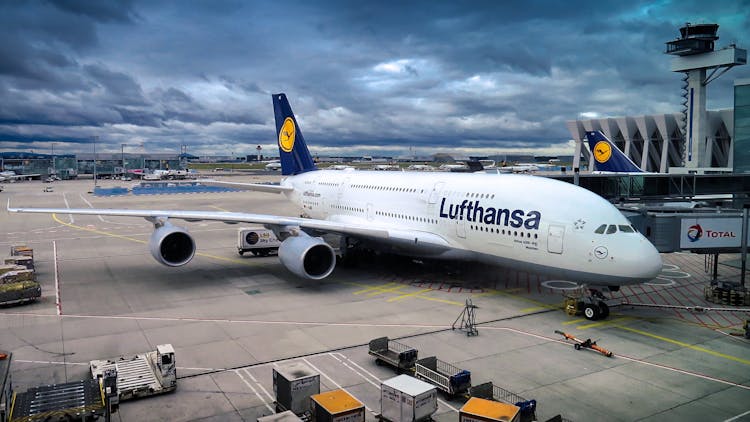
LAX served more than 76 million passengers annually, making Los Angeles one of the highest-demand aviation fuel markets in the United States and a key strategic target for regional renewable fuel production.
Frequently Asked Questions
Is the Paramount facility currently producing renewable fuels?
No. The Paramount facility is currently idle. XCF Global's acquisition has been announced but not yet closed. Production is expected to resume within 9 to 12 months after the deal closes, which is targeted for before the end of 2026.
What is the Paramount facility's capacity, and is it all SAF?
The facility's approximate annual capacity is 50 million gallons across multiple renewable fuels, including SAF, renewable diesel, and renewable naphtha. This is not exclusively SAF capacity. The specific product mix will depend on operating configuration and market conditions after restart.
What comes next for XCF Global after this acquisition?
XCF expects the acquisition to close before December 31, 2026. After that, the restart process runs 9 to 12 months, with the BGN partnership expected to cover feedstock supply and fuel marketing. XCF is simultaneously advancing commercial production at New Rise Reno in Nevada and evaluating additional sites in Florida and North Carolina as part of its national renewable fuels expansion strategy.
For ongoing coverage of sustainable aviation fuel, renewable diesel, and the U.S. clean fuels transition, subscribe to Decarbonfuse.com.
Subscribe to the newsletter
Daily decarbonization data and news delivered to your inbox
Follow the money flow of climate, technology, and energy investments to uncover new opportunities and jobs.
Latest issues
-
Molten’s Oakland Plant Takes Aim at China’s Graphite
Inside This Issue 🔋 Molten Industries Commissions World’s First Plant to Produce Battery-Grade Graphite from Natural Gas 🪨 European Commission Presents Draft Rules for Certifying Enhanced Rock Wea...
-
Can GE Vernova’s Turbine Really Run 100% Hydrogen?
Inside This Issue ⚙️ GE Vernova’s Greenville Lab Moves Turbines Closer to 100% H2 🚗 Geely Holding Announces Evsa’s Global Launch at COP31 🚢 Ethanol Blends Run Successfully in Pilot Marine Engine T...
-
Who Gets Canada’s C$10 Million Carbon Removal Buy?
Inside This Issue 🔩 Stegra and Meta Sign Agreement for Environmental Attribute Certificates to Advance Green Steel 🧱 Sublime Systems and Meta Sign Agreement to Scale U.S. Manufacturing of Next Gen...
Company Announcements
-
Co2next Completes Feed Engineering for Maasvlakte Co₂ Terminal
CO2next has successfully completed the Front-End Engineering Design (FEED) phase for its planned liquid carbon dioxide (CO₂) terminal at Maasvlakte in the Port of Rotterdam, marking a significant m...
-
The facility brings commercial hydrogen production, heavy-duty fueling and regional distribution together at one site in North America. Plug’s 5 MW electrolyzer provides 2.1 metric tons of daily h...
-
Canada Invests to Drive Clean Energy, Create Jobs and Spur Innovation in the Atlantic
OTTAWA, ON, Nov. 18, 2026 /CNW/ -- Canada has the abundant energy and ambition it takes to master our destiny and become an energy superpower in a rapidly changing global economy. We are accelerati...
-
Microsoft-backed Saskatchewan project developed by MLTC and Svante among only three BECCS projects selected MEADOW LAKE, Saskatchewan & BURNABY, British Columbia--BUSINESS WIRE--North Star, ...