
Yara International has agreed to buy the Gulf Coast Ammonia production facility in Texas City for $1.3 billion. The deal moves a fully built, 1.3 million metric ton per year ammonia plant into Yara's hands. Lotus Infrastructure Partners, the plant's private equity owner, exits with the sale complete.
Key Facts
- Yara North America agreed to acquire Gulf Coast Ammonia's Texas City plant for $1.3 billion, plus working capital adjustments (Yara International, July 2, 2026)
- The facility has a nameplate capacity of approximately 1.3 million metric tons of ammonia per year (Lotus Infrastructure Partners, July 2026)
- Seller GCA Holdings LLC is an affiliate of Lotus Infrastructure Partners and MB Energy
- The plant is currently in commissioning, with full production and stable operations targeted by the end of 2026
- Air Products continues supplying hydrogen, nitrogen, and industrial gases to the site under a long-term agreement
- Gulf Coast Ammonia runs on conventional natural gas feedstock, without carbon capture attached
>> In Other News: ExxonMobil Challenges Eu Carbon Storage Mandate
A $1.3 Billion Handoff for an Almost-Finished Plant
Yara North America agreed to acquire the Gulf Coast Ammonia facility for $1.3 billion, plus working capital adjustments, Yara International announced on July 2, 2026. The seller, GCA Holdings LLC, is affiliated with Lotus Infrastructure Partners and MB Energy. The transaction still needs customary closing conditions and regulatory approvals.
Gulf Coast Ammonia is a single-loop ammonia facility. Lotus Infrastructure Partners said the plant has a nameplate capacity of approximately 1.3 million metric tons per year in its July 2026 announcement. Once fully ramped, it is expected to be one of the largest and most efficient single-loop ammonia plants in the world.
The Texas City plant is currently in commissioning. Yara said production is targeted to reach or exceed nameplate capacity, with stable operations expected by the end of 2026.

Ammonia production facilities like Gulf Coast Ammonia rely on on-site storage tanks to hold product ahead of shipment.
Why Buy an Existing Plant Instead of Building One?
Buying a plant already in commissioning removes years of construction risk and gets Yara to production faster than a greenfield project would. Gulf Coast Ammonia broke ground years ago and has already cleared the hardest parts of construction and startup.
"By bringing this plant into the Yara portfolio, we are strengthening our operational resilience and diversifying our energy costs at a time when supply flexibility matters more than ever."
Svein Tore Holsether, President and CEO, Yara International
Air Products will keep supplying hydrogen, nitrogen, and other industrial gases to the site under a long-term agreement. Air Products and Yara have separately discussed a low-carbon ammonia partnership in Louisiana, a sign of how often the two companies now cross paths. That regional buildout includes the HyVelocity hydrogen hub spanning the Texas Gulf Coast.
Who Is Lotus Infrastructure Partners, and Why Are They Selling?
Lotus Infrastructure Partners is the private investment firm that financed and developed Gulf Coast Ammonia. This sale is a planned exit that returns capital to its investors.
Lotus Infrastructure Partners has raised more than $4 billion in equity capital, the firm said in its July 2026 release. It has executed transactions totaling more than $10 billion in enterprise value. MB Energy, a global commodity trader, co-owns Gulf Coast Ammonia through GCA Holdings alongside Lotus.

"Gulf Coast Ammonia is a world-class asset that required disciplined execution across development, financing, construction and commercial structuring."
Philipp Pletka, Managing Director, Lotus Infrastructure Partners
Lotus Infrastructure Partners traces its roots to Starwood Energy Group, which developed the Texas City project before rebranding in 2023. Its exit mirrors a broader pattern of ammonia M&A across the Gulf Coast, where developers routinely sell finished assets once projects clear commissioning.
Construction on Gulf Coast Ammonia began after developers closed project financing in December 2019, with commercial production originally targeted for 2023. Lengthy delays pushed the timeline back several years before the plant reached commissioning in 2026.
The project also brought real local impact. Construction employed roughly 1,000 workers at peak, with about 40 permanent jobs running the finished plant.
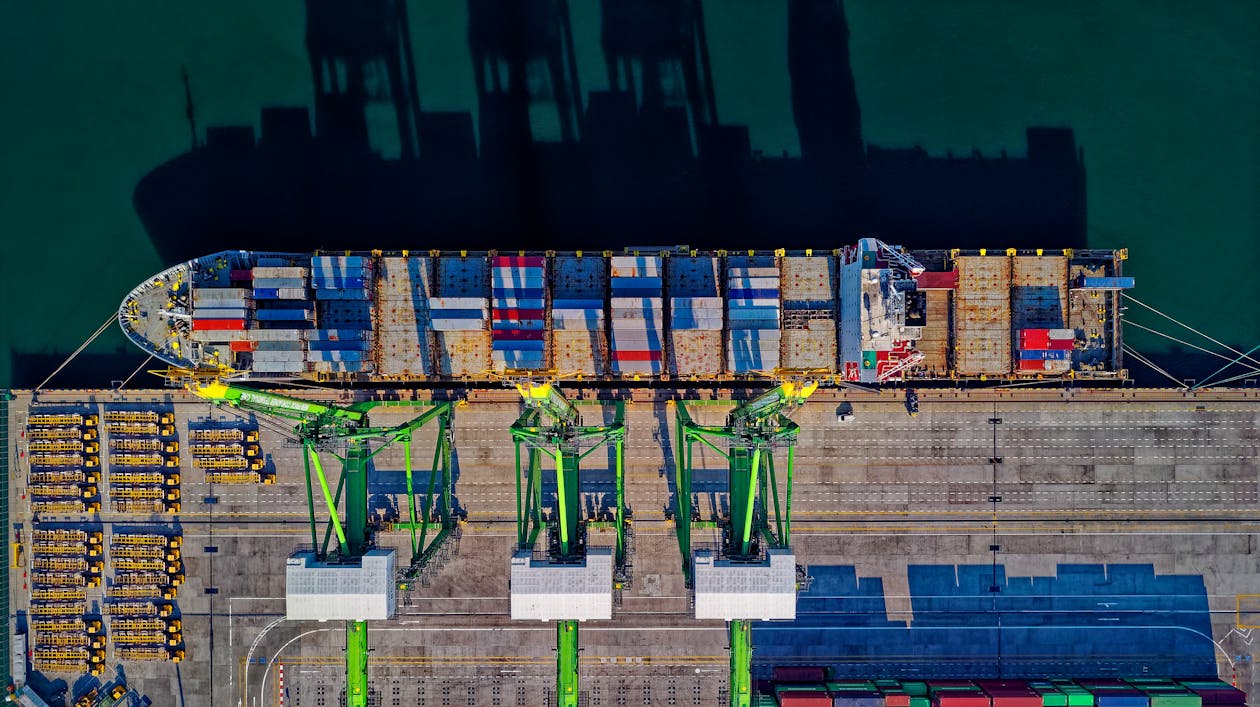
Ammonia produced along the Gulf Coast typically moves to market by ship, feeding both domestic fertilizer demand and export contracts.
How Gulf Coast Ammonia Fits Into Texas's Ammonia Buildout
Gulf Coast Ammonia runs on conventional natural gas, not carbon capture. That makes it grey ammonia rather than a blue or green project.
The distinction matters for context, not disappointment. Texas is also home to a wave of lower-carbon ammonia investment. That includes Woodside Energy's nearly finished Beaumont facility and a proposed Yara Clean Ammonia project with Enbridge near Corpus Christi.
Louisiana's Blue Point Number One project is a joint venture between CF Industries, JERA, and Mitsui & Co. It targets 1.4 million metric tons of low-carbon ammonia per year using carbon capture, CF Industries said in 2025. Texas's newly granted authority to permit carbon storage wells is also accelerating nearby CCS projects that could eventually serve plants like these.
| Project | Location | Capacity (metric tons/yr) | Type | Status |
|---|---|---|---|---|
| Gulf Coast Ammonia (Yara) | Texas City, TX | 1.3 million | Grey, conventional | Commissioning, full production targeted end of 2026 |
| Woodside Beaumont (Phase 1) | Beaumont, TX | 1.1 million | Blue, 95% CO2 capture | 97% complete, first production targeted late 2025 |
| Yara Clean Ammonia / Enbridge | Corpus Christi, TX | 1.4 million, proposed | Blue, proposed | Letter of intent signed, early development |
| Blue Point Number One | Ascension Parish, LA | 1.4 million | Blue, 95% CO2 capture | Construction underway, startup targeted 2029 |
What Does This Deal Mean for Yara's Wider Ammonia Strategy?
The Texas City acquisition adds scale to Yara's global ammonia network without committing to a specific low-carbon technology at this site.
Yara North America has operated in the US since 1946. The subsidiary employs about 185 people across seven import and distribution terminals that serve agricultural and industrial customers, according to Yara.
>> RELATED: The $9B Deal That Almost Didn't Happen
Yara already operates the world's largest ammonia shipping and terminal network. That includes an import terminal in Brunsbüttel, Germany capable of handling up to three million tonnes of low-emission ammonia a year. The Texas City plant slots into that same distribution system, adding another US-based ammonia source to Yara's supply chain.
Ammonia is also emerging as a hydrogen carrier for global trade. It holds more energy per volume than liquefied hydrogen and moves through existing shipping infrastructure. That shift is part of why ammonia deals now draw attention well beyond the fertilizer market.
Woodside’s Beaumont New Ammonia project in Texas is advancing as one of the first large-scale plants designed for lower-carbon ammonia with high CO2 capture, adding to the Gulf Coast’s growing ammonia capacity.
The Next Chapter for Texas City's Ammonia Coast
Texas City now has a fully financed owner ready to run Gulf Coast Ammonia at scale, backed by the buyer's century of ammonia experience. The bigger question is what comes next.
Will this asset eventually join the low-carbon ammonia projects rising around it? Or will it keep serving as the steady, high-volume supply that fertilizer and industrial markets already depend on?
Frequently Asked Questions
Is the Gulf Coast Ammonia plant a blue ammonia facility?
No. It produces conventional ammonia from natural gas without carbon capture, though Yara has pointed to the potential for a future low-carbon pathway at the site.
How much ammonia will the Texas City plant produce?
The facility has a nameplate capacity of approximately 1.3 million metric tons of ammonia per year. Production is targeted to reach or exceed that level by the end of 2026.
When is the Yara and Lotus Infrastructure deal expected to close?
The transaction was announced on July 2, 2026 and remains subject to customary closing conditions and regulatory approvals. No separate closing date has been disclosed.
For ongoing coverage of carbon removal, BECCS, and corporate CDR procurement, subscribe to Decarbonfuse.com.
Subscribe to the newsletter
Daily decarbonization data and news delivered to your inbox
Follow the money flow of climate, technology, and energy investments to uncover new opportunities and jobs.
Latest issues
-
Why Gulf Coast CCS Teams Are Watching Liverpool Bay
Inside This Issue 💂 Eni’s Douglas Platform Sets the Offshore CCS Blueprint 🌲 Pacolet Milliken Expands Its Biomass Platform With the Acquisition of Georgia Renewable Power 🧪 Metacon Receives EU Fun...
-
Who Bought Gevo’s $50M in 45Z Credits?
Inside This Issue ⛽ Gevo Sells $70M in 45Z Credits to a New Kind of Buyer 🌱 South Pole, Gaïago, and Gold Standard Issue European Soil Carbon Credits, Unlocking Verified Regenerative Agriculture Re...
-
Verra Landed CCP Approval. What Changes for DAC?
Inside This Issue ✅ Verra's CCS Credits Just Got the Integrity Seal Buyers Want 💰 South Korea Unveils $747 Billion Energy Transition Plan Through 2035 💧 Hydrogen and Carbon Capture and Storage in ...
Company Announcements
-
Former Saskatchewan cabinet minister Rob Norris takes the helm as MAX Power prepares to begin completions and pursues a dual listing in the United States, with Ran Narayanasamy moving to the newly...
-
CORALVILLE, IA, Oct. 13, 2026 (GLOBE NEWSWIRE) -- SunHydrogen, Inc. (OTCQB: HYSR), the developer of a breakthrough technology to produce renewable hydrogen using sunlight and water, today provided ...
-
Verde Secures Landmark ASTM EPD Verification for Engineered Biochar Road Application
Among the first independently verified EPDs for biochar in road construction, validating low-carbon data to accelerate commercialization with Ergon and global licensing ST. LOUIS, Oct. 13, 2026 (G...
-
Industrial-scale project brings new approach to brine management and water security to the region PERTH, Australia, Oct. 13, 2026 /PRNewswire/ -- Capture6 yesterday launched Project Tortuga, an in...