
Zurich Insurance Group signs pre purchase agreement for 1,200 metric tons of durable carbon removal credits tied to integrated DAC plus hydrogen production
Deal links atmospheric carbon storage with carbon negative hydrogen supply, supporting industrial decarbonisation and low carbon fuel pathways
Forward demand commitments highlight growing investor focus on high integrity carbon removal markets and scalable clean molecule infrastructure
Zurich Insurance Group has signed a forward purchase agreement with Parallel Carbon to secure 1,200 metric tons of high integrity carbon dioxide removal credits, marking a strategic step deeper into engineered carbon removal and clean hydrogen infrastructure.
The credits will be issued as Carbon Removal Certificates under the Puro Standard and generated through Parallel Carbon’s integrated direct air capture with geological storage and hydrogen production platform, known as DAC+H2.
>> In Other News: New Online Platform Makes CDR Approaches Transparent and Comparable
The structure links atmospheric carbon removal with the creation of carbon negative hydrogen, positioning the agreement at the intersection of climate finance, industrial decarbonisation, and emerging carbon markets.
Under the arrangement, Zurich gains forward access to verified carbon removal capacity, with options to increase volumes in future. Early demand commitments such as this are becoming central to project financing, helping developers unlock capital while giving buyers exposure to a rapidly evolving climate technology segment.
Integrated Carbon Removal Meets Hydrogen Production
Parallel Carbon’s process combines direct air capture, permanent geological storage, and hydrogen production to create a system designed to decarbonise multiple industrial value chains. The hydrogen produced is expected to be supplied to a low carbon ammonia producer, extending the climate impact beyond credit markets into real economy applications.
Hydrogen from these projects is projected to meet stringent definitions of renewable or green hydrogen across different jurisdictions. Regulatory benchmarks typically require lifecycle emissions below roughly 3 kilograms of CO2 equivalent per kilogram of hydrogen, thresholds the company says its integrated pathways aim to significantly outperform.
By coupling carbon removal with molecule production, the platform allows buyers to support both atmospheric carbon storage and supply chain decarbonisation within a single investment framework. The same infrastructure could also enable future production of electro sustainable aviation fuels, aligning with Zurich’s broader strategy of addressing residual emissions while supporting long term decarbonisation technologies.
Finance Signals In A Maturing Carbon Removal Market
The agreement reflects a shift toward more disciplined procurement in carbon removal markets, where buyers increasingly prioritise durability, quality verification, and long term economic viability. For project developers, forward purchase agreements are becoming essential tools to reduce risk and attract infrastructure investment.
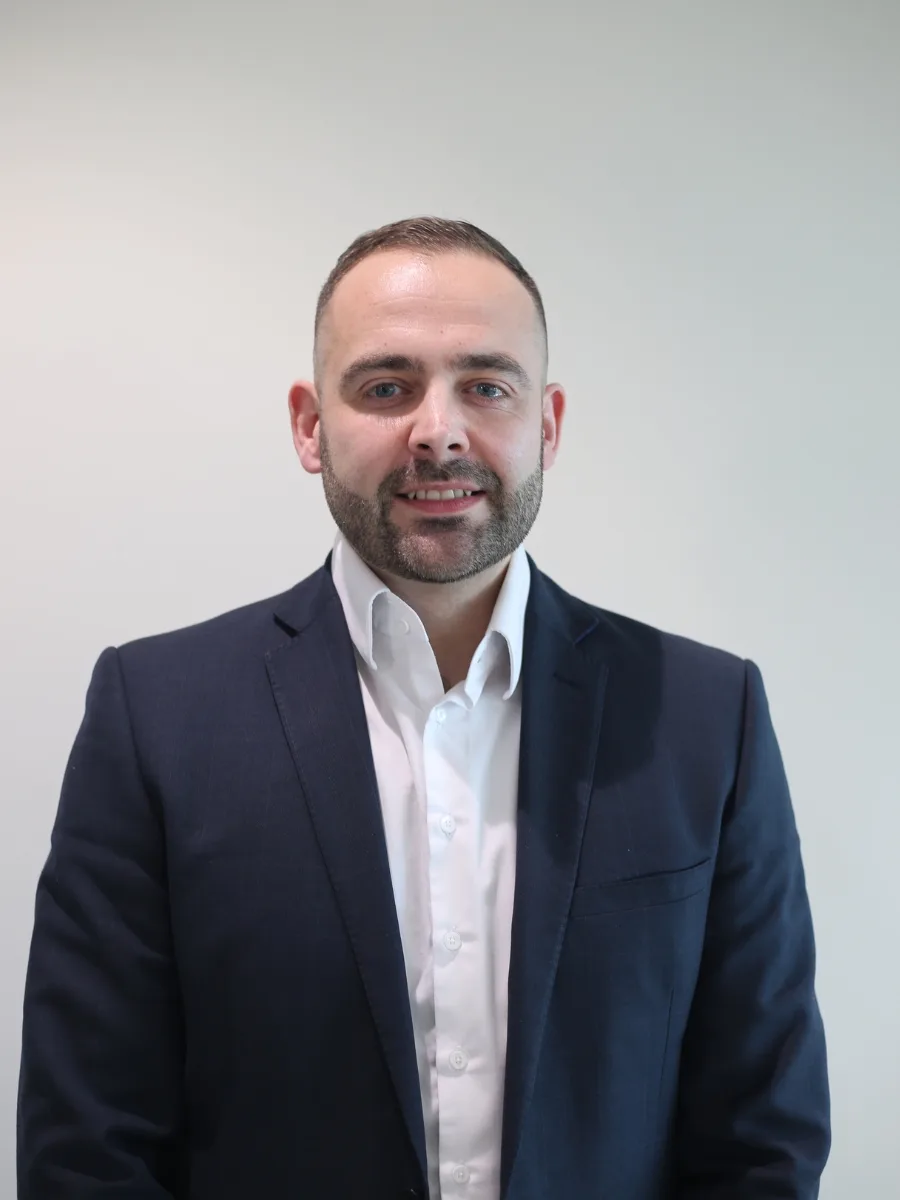
Chris Minter, Head of Supply Chain Sustainability at Zurich, said:
Parallel Carbon’s integrated approach offers a compelling combination of high-integrity carbon removal and a credible pathway toward improved cost performance over time. For buyers like Zurich, early engagement with technologies that demonstrate strong fundamentals and clear future cost trajectories is pivotal for securing a position in the promising and rapidly developing carbon-removal market.
This pre-purchase reflects our confidence in Parallel Carbon’s ability to scale responsibly and includes rights of first refusal that allow us to remain closely aligned as they expand capacity. We look forward to working with the team as they bring low-cost, high-quality CDR supply to market in the years ahead.
The deal also provides revenue certainty that supports deployment of carbon negative hydrogen projects, helping anchor financing and potentially lowering the cost of clean hydrogen production at scale.
Governance, Policy And Technology Convergence
Executives increasingly view integrated systems as a response to tightening climate policy and corporate net zero commitments. Rather than treating carbon removal and industrial decarbonisation as separate markets, companies are exploring hybrid models that combine durable removals with low carbon fuels or chemicals.

Ryan Anderson, CEO of Parallel Carbon, said:
Integrated systems that combine carbon removal and decarbonisation in parallel are structurally advantaged in today’s sustainable solutions landscape and evolving policy environment. By delivering durable CDR alongside clean molecule production, we are able to create stronger project economics and unlock more climate value from the same infrastructure.
This approach enables science-based, transparent carbon accounting while supporting real-economy decarbonisation. Demand is converging around solutions that pair durable removal with credible economics and measurable impact, and this agreement with Zurich reflects that shift.
What Leaders Should Watch
For investors and corporate climate strategists, the agreement highlights how early demand commitments are shaping the next phase of engineered carbon removal. By tying carbon removal credits to hydrogen production and future fuel pathways, the deal demonstrates how governance frameworks, climate accounting standards, and infrastructure financing are converging around integrated solutions.
As voluntary carbon markets evolve and policy pressure intensifies across sectors such as aviation, fertilizers, and chemicals, hybrid platforms like DAC+H2 could play a central role in scaling durable removals while supporting industrial transformation. The Zurich Parallel Carbon agreement offers a glimpse into how future climate investments may extend beyond carbon accounting toward building the physical systems required for a lower carbon global economy.
Subscribe to the newsletter
Daily decarbonization data and news delivered to your inbox
Follow the money flow of climate, technology, and energy investments to uncover new opportunities and jobs.
Latest issues
-
Alberta Chases C$23B CCUS Wave With Earlier Cash
Inside This Issue 🍁 Alberta Now Pays CCUS Grants Before Projects Start Up ✈️ EU Opens Anti-Dumping Probe Into Sustainable Aviation Fuel From China and Singapore 🧱 CarbonCure Targets Japan, South K...
-
Quebec Holds Five of Ottawa's 19 Removal Offers
Inside This Issue 🍁 Canada Names 19 Carbon Removal Suppliers for Federal Buyers 🏭 Next Hydrogen and H2 Manufacturing Announce Strategic Collaboration to Deliver Integrated Hydrogen Production Solu...
-
Molten's 300-Ton Bet Against China's Graphite Grip
Inside This Issue 🔋 Molten Industries Turns Natural Gas Into Graphite in Oakland 🌊 COOEC Completes Onshore Construction of China's First Offshore CCUS Project at Dongfang 1-1 Gas Field ⚡ Técnicas ...
Company Announcements
-
CF Industries Holdings, Inc. (NYSE: CF), a global leader in ammonia and nitrogen fertilizer production, today announced that it has signed a definitive agreement with The Mosaic Company (NYSE: MOS)...
-
Co-op Ethanol Complex Fully Operational With Carbon Capture Technologies
SASKATOON, Sask. — The Federated Co-operatives Limited (FCL) Carbon Capture Project at the Co-op Ethanol Complex (CEC) is formally commissioned and fully operational. CEC is expected to remove up ...
-
EDCO Celebrates Grand Opening of Anaerobic Digestion Facility Phase II in Escondido, CA
Family-owned and locally operated EDCO celebrated the grand opening of the Phase II expansion of its anaerobic digestion facility at Escondido Resource Recovery. The expansion doubles the facility’...
-
Ammonia-to-Power System Approaches Deployment in Pohang
Successful Amogy and HCE Integrated Power Generation System on Track for Operations in South Korea In a test at its manufacturing facility in Houston, Amogy’s ammonia to power AMMDrive™ system suc...