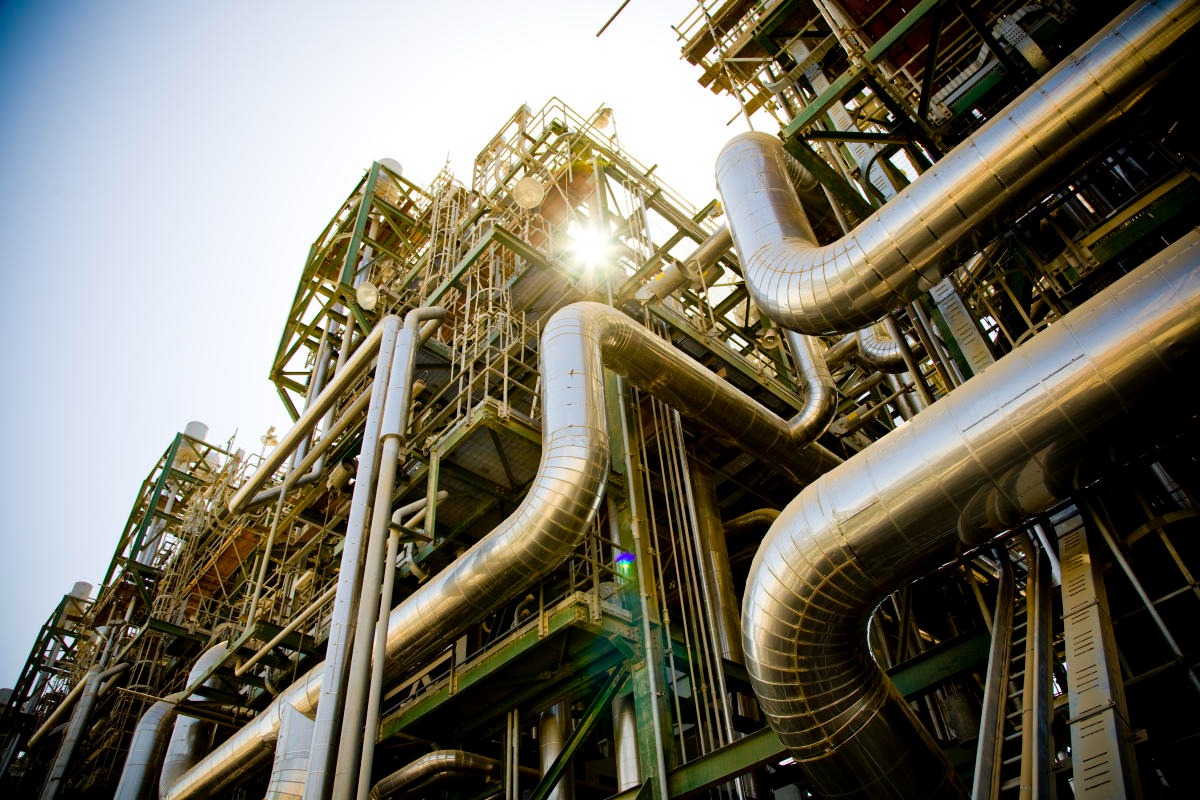
The SECURE project, a partnership between Technip Energies and LanzaTech, is a significant initiative in combating climate change. Supported by the U.S. Department of Energy (DOE), it seeks to create an innovative method for producing sustainable ethylene – an essential chemical component – from captured carbon dioxide (CO2). This transition to sustainable production is highly important for decarbonization efforts, leading to a cleaner future.

The Power of Ethylene
Ethylene, the simplest alkene, is a widely produced organic compound used in various everyday products, from plastics and textiles to antifreeze and detergents. Its high demand, exceeding 231 million tons per year, makes it an essential industrial component. However, the traditional methods of ethylene production rely on fossil fuels, leading to the release of significant greenhouse gasses, particularly CO2, into the atmosphere, contributing to global warming and requiring a more sustainable approach.
The Science Behind Sustainable Ethylene
The core of SECURE is its innovative technology for converting captured CO2 into sustainable ethylene. While the specifics are confidential, the project likely uses a biological process involving microorganisms that can convert CO2 into valuable chemicals.
LanzaTech's expertise in this area is well-known. The project essentially transforms CO2, a major pollutant, into a valuable resource, reducing greenhouse gas emissions and promoting a circular economy.
This technology offers significant advantages over traditional methods by reducing reliance on fossil fuels, minimizing greenhouse gas emissions, and efficiently utilizing captured CO2.
>> In Other News: NewHydrogen CEO Steve Hill Discussed Hydrogen and Gas Turbine Combustion Systems with Georgia Tech Clean Energy Expert
Carbon Capture and Utilization: A Promising Path
CCU technologies provide a ray of hope by capturing CO2 emissions from industrial processes, preventing their release into the atmosphere, and transforming them into valuable resources. The SECURE project utilizes this idea to establish a cleaner and more sustainable future for ethylene production.
The SECURE project aims to create an innovative technology for producing sustainable ethylene from captured CO2, which will be directly integrated into current commercial ethylene crackers, the facilities in charge of large-scale ethylene production.
A Powerful Partnership
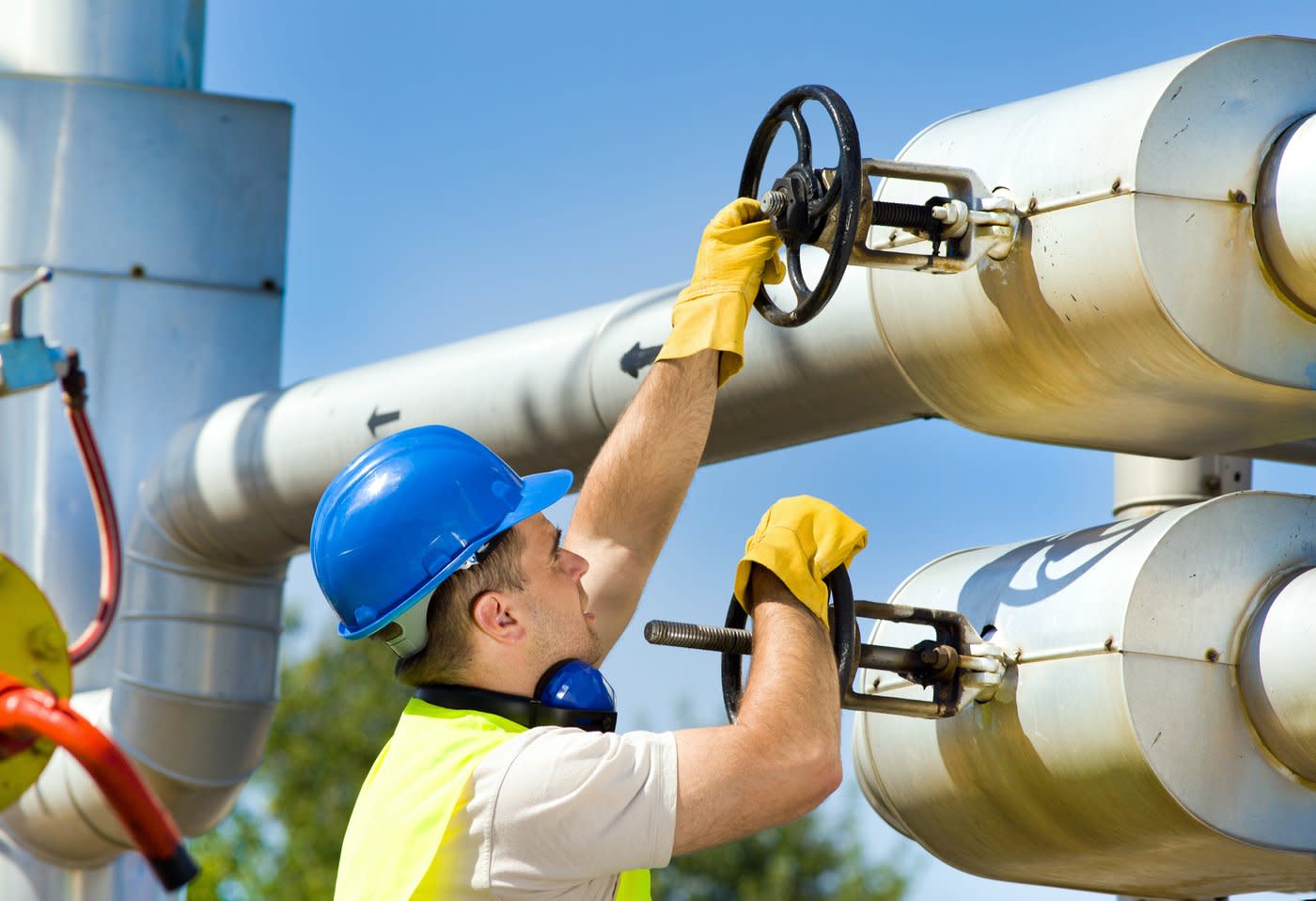
Technip Energies, a prominent figure in engineering and technology for the energy transition, utilizes its knowledge in creating and executing industrial solutions. LanzaTech, an innovator in carbon recycling, contributes its advanced biotechnologies for converting captured CO2 into valuable resources. This collective expertise presents a powerful catalyst for driving change.
Arnaud Pieton, CEO at Technip Energies, stated: “We are extremely proud to have been selected by the DOE for this significant award consideration. Together with LanzaTech, our plan is to fully test and develop this breakthrough technology, at scale, in an actual plant, which can then be replicated in other facilities. Carbon utilization and the ability to decarbonize ethylene will have a significant impact on the chemicals industry’s emissions abatement, which is a benefit to us all.”
Dr. Jennifer Holmgren, CEO of LanzaTech, said: “The DOE’s Industrial Demonstrations Program is climate leadership in action. We look forward to developing a replicable, breakthrough solution with Technip Energies that creates high-quality jobs and supports local communities for a just energy transition.”
A Boost from the DOE
The U.S. Department of Energy's Industrial Demonstrations Program (IDP) has recognized the transformative potential of SECURE, awarding the project up to $200 million in funding. This crucial investment underscores the government's commitment to accelerating the development and deployment of clean energy technologies.
Environmental and Economic Benefits
By capturing and converting CO2 into sustainable ethylene, SECURE fights climate change directly. This method decreases greenhouse gas emissions linked to traditional production, leading to a cleaner atmosphere.
SECURE supports a circular economy by repurposing captured CO2 as a valuable resource, reducing dependence on new fossil fuels and promoting a more sustainable industrial ecosystem.
The project also brings economic advantages, as it is anticipated to generate employment opportunities during construction and operation, contributing to local economies. Furthermore, the advancement and implementation of this technology could position the U.S. as a leader in sustainable chemical production.
A Glimpse into the Future
The SECURE project's potential for widespread adoption within the ethylene production industry, along with its ripple effect on the chemicals industry, holds promise for significantly reducing the environmental impact of these crucial sectors. Its success could inspire the development of similar sustainable technologies, contributing to a more eco-friendly manufacturing landscape and broader decarbonization goals.
The innovative approach of SECURE in producing sustainable ethylene paves the way for a cleaner future in the chemicals industry. Continued support through funding, regulatory adjustments, and industry collaboration is essential for accelerating the transition towards a low-carbon economy and combating climate change effectively.
>> In Company Spotlight: TechnipFMC
Subscribe to the newsletter
Daily decarbonization data and news delivered to your inbox
Follow the money flow of climate, technology, and energy investments to uncover new opportunities and jobs.
Companies

Latest issues
-
Montana Renewables Cuts SAF Cost to $137M
Inside This Issue ✈️ Montana Renewables Announces Innovative, Capital-Efficient Expansion to 200 Million Gallons of Sustainable Aviation Fuel ⚗️ Live Oak Starts Competitive FEED for Nebraska E-Met...
-
CF Industries Breaks Ground on $3.7B Blue Point
Inside This Issue 🏗️ Construction Begins on Blue Point Project 🧪 Commencement of FEED for the Live Oak Project for e-NG Production in Nebraska 🍁 Mercer International Secures C$20 Million Canadian ...
-
Freepoint Commits $450M to Emvolon's Modular Fuel Play
Inside This Issue ⛽ Emvolon and Freepoint Commodities Execute Multi-Year Definitive Agreements to Scale High-Value Liquid Fuels 🧪 Ammobia and Lummus Technology to Commercialize Ammonia for Low-Car...
Company Announcements
-
Methanol Qualified As A Feedstock For Sustainable Aviation Fuel
The more than 23,000 large aircraft worldwide consume approximately 350 billion liters of fuel annually and account for about 3 percent of human-caused CO2 emissions. For long-haul flights over 4,0...
-
Vortex Energy Announces Plans for Ground Gravity Survey at the Robinsons River Salt Project
Next Phase of Geophysical Work Advances Priority Targets Following August Technical Study VANCOUVER, British Columbia, Sept. 03, 2026 (GLOBE NEWSWIRE) -- Vortex Energy Corp. (CSE: VRTX) (OTC: VTEC...
-
Greene Tweed Adds Cryogenic Leak And Supercritical CO₂ Capabilities To Testing Portfolio
Supercritical CO2 RGD Test Equipment GT Cold Finger-Team-Testing-Equipment GT Cold Finger Team Testing Equipment ...
-
The Jalisco facility, which turns dairy, swine, and tequila-industry waste into clean fuel, is now approved to generate Energy Attribute Certificates on North America's largest clean energy registr...