
The carbon removal market just got another major signal that demand for durable solutions is accelerating. ClimeFi, the London-based carbon removal procurement platform, has closed an $18 million procurement round spanning 85,000 tonnes of CO₂ removal at an average price of $213 per tonne.
This deal stands out for its diversity. It covers eight different removal pathways, signaling a shift away from single-technology reliance. Corporate buyers pooled demand to secure preferential terms and volume discounts, a model that could reshape how companies approach carbon removal purchasing.
The suppliers selected include some of the most recognized names in durable carbon removal, with 71% of volume commitments coming from the Americas.
>> RELATED: North America's Carbon Removal Year in Review: The Deals, Policies, and Milestones That Shaped 2025

ClimeFi's latest $18 million procurement round secured 85,000 tonnes of carbon removal at an average price of $213 per tonne. The deal diversifies risk across eight distinct technology pathways, with 71% of the total volume sourced from suppliers in the Americas.
>> In Other News: Fusion Fuel’s BrightHy Solutions Signs Agreements to Launch Up to €30 Million Targeted Hydrogen Investment Platform
North American Suppliers Take Center Stage
The Americas dominated this procurement round, and for good reason. The region hosts some of the most advanced carbon removal operations currently scaling. Three U.S. and Canadian suppliers stood out in ClimeFi's selection:
1. Graphyte (Arkansas, USA)
Graphyte uses its proprietary Carbon Casting process to dry and compress biomass into dense carbon blocks for underground storage. The company recently raised $30 million in Series A funding and operates a facility in Arkansas targeting 50,000 tonnes of removal capacity annually.
2. Deep Sky (Canada)
Deep Sky made headlines in 2025 when it launched Deep Sky Alpha, North America's first facility to permanently store CO₂ captured directly from the air. The Alberta-based innovation center hosts multiple direct air capture technologies under one roof.
3. Vaulted Deep (USA)
Vaulted Deep converts organic waste into permanent carbon storage by injecting bioslurry deep underground. The company recently won $8 million in the XPRIZE Carbon Removal competition and secured a landmark 4.9 million tonne deal with Microsoft.
Pathway Diversification Signals Market Maturity
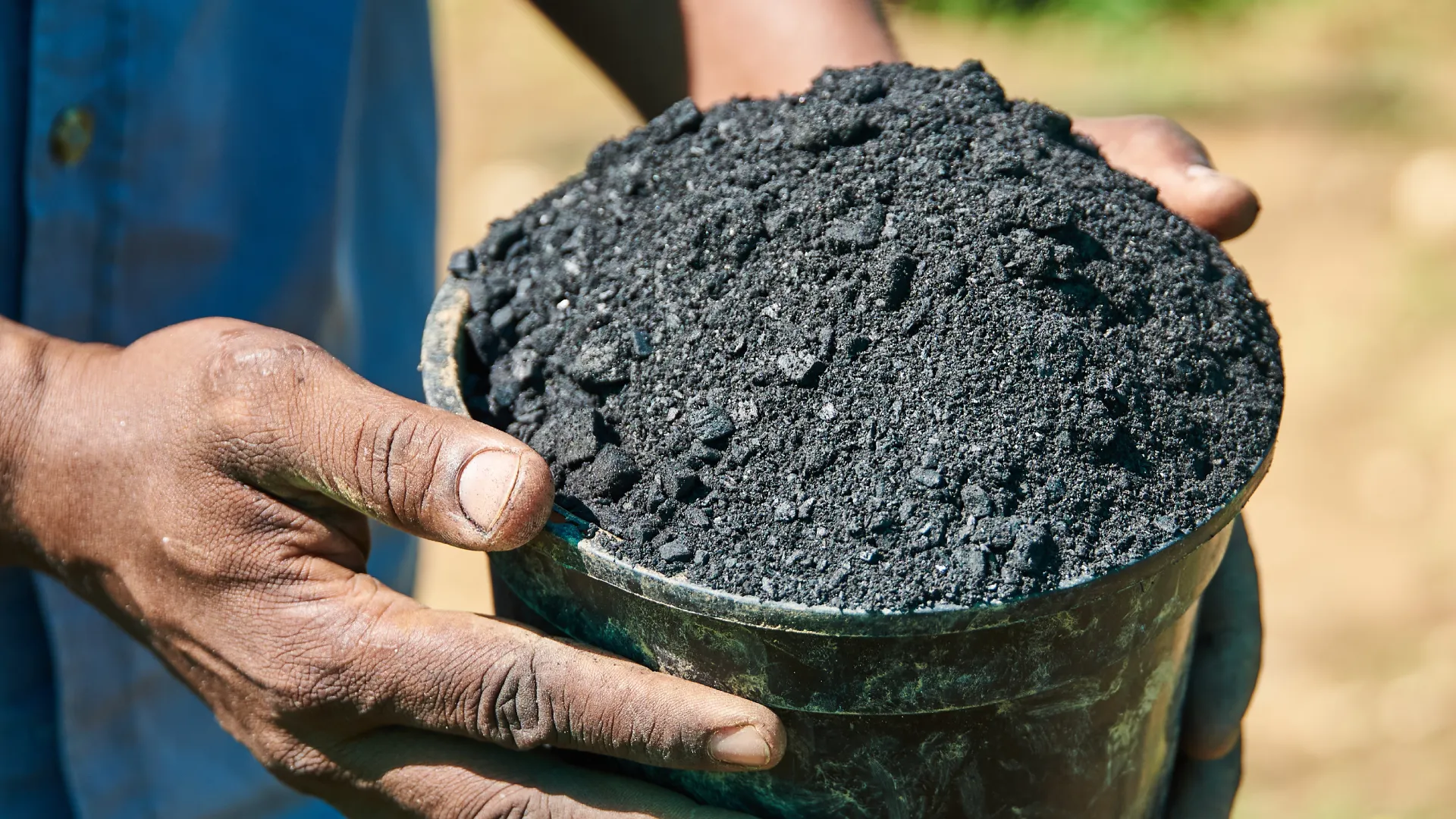
Unlike earlier procurement rounds that leaned heavily on one or two technologies, this deal spread across eight distinct pathways. Biochar took the largest share, followed by enhanced rock weathering and terrestrial biomass sequestration.
The full list of technologies includes:
- Biochar
- Bioenergy with Carbon Capture and Storage (BECCS)
- Direct Air Capture and Storage
- Enhanced Rock Weathering
- Microbial Carbon Removal
- Mineralisation
- Terrestrial Biomass Sequestration
- Wastewater Alkalinity Enhancement
This diversification matters because it spreads risk across multiple technology development tracks. If one pathway faces scaling challenges, the portfolio remains resilient.
"We are delighted to share the news of our latest procurement round publicly. ClimeFi is honoured to work hand-in-hand with a number of forward-thinking buyers on scaling durable carbon removal."
Sebastien Dewarrat, Co-Founder at ClimeFi
Delivery Timeline and Storage Methods
The bulk of fixed volume commitments will arrive in 2027 and 2028, with options extending through 2033. This long-term structure reflects growing buyer confidence in locking in removal capacity ahead of corporate net-zero deadlines.

Not all carbon storage is created equal. This breakdown of stabilised biomass, mineralisation, and geological storage illustrates the varying permanence profiles available—from decades to millennia—allowing corporate buyers to construct diverse portfolios aligned with their specific long-term climate commitments.
Storage methods span three categories: stabilised biomass, mineralisation, and geological storage. Each offers different permanence profiles, allowing buyers to build portfolios aligned with their specific climate commitments.

"2025 was a landmark year in the evolution of durable carbon removal. Facilitating the world's first megatonne deal for BCR, expanding buyer participation, and growing our multi-technology supply pipeline all point to a market that is steadily becoming more scalable, transparent, and investable."
Carbonfuture, 2025 Year-End Announcement
What This Means for the Market
The $213 per tonne average sits firmly in the premium removal credit range. This aligns with broader market trends showing high-quality credits trading at roughly 30% premiums over lower-tier alternatives.
ClimeFi's pooled procurement model offers smaller buyers access to pricing and terms typically reserved for large corporate purchasers. By aggregating demand, the platform helps companies secure removal capacity without the overhead of direct negotiations with multiple suppliers.
The company plans to announce specific buyer-project collaborations in the coming weeks, which will reveal more about the corporate appetite driving these deals.
Building Momentum for Durable Removals
This procurement round arrives at a pivotal moment. The durable carbon removal market officially crossed the 1 million tonne mark in deliveries during 2025, signaling the industry's shift from pilot projects to commercial operations.
ClimeFi will continue monitoring these projects for potential risks, including credit issuance delays and non-delivery concerns. For buyers seeking verified, permanent carbon removal, multi-pathway portfolios like this one offer both diversification and credibility in an increasingly competitive market.
Subscribe to the newsletter
Daily decarbonization data and news delivered to your inbox
Follow the money flow of climate, technology, and energy investments to uncover new opportunities and jobs.
Latest issues
-
Why Gulf Coast CCS Teams Are Watching Liverpool Bay
Inside This Issue 💂 Eni’s Douglas Platform Sets the Offshore CCS Blueprint 🌲 Pacolet Milliken Expands Its Biomass Platform With the Acquisition of Georgia Renewable Power 🧪 Metacon Receives EU Fun...
-
Who Bought Gevo’s $50M in 45Z Credits?
Inside This Issue ⛽ Gevo Sells $70M in 45Z Credits to a New Kind of Buyer 🌱 South Pole, Gaïago, and Gold Standard Issue European Soil Carbon Credits, Unlocking Verified Regenerative Agriculture Re...
-
Verra Landed CCP Approval. What Changes for DAC?
Inside This Issue ✅ Verra's CCS Credits Just Got the Integrity Seal Buyers Want 💰 South Korea Unveils $747 Billion Energy Transition Plan Through 2035 💧 Hydrogen and Carbon Capture and Storage in ...
Company Announcements
-
Former Saskatchewan cabinet minister Rob Norris takes the helm as MAX Power prepares to begin completions and pursues a dual listing in the United States, with Ran Narayanasamy moving to the newly...
-
CORALVILLE, IA, Oct. 13, 2026 (GLOBE NEWSWIRE) -- SunHydrogen, Inc. (OTCQB: HYSR), the developer of a breakthrough technology to produce renewable hydrogen using sunlight and water, today provided ...
-
Verde Secures Landmark ASTM EPD Verification for Engineered Biochar Road Application
Among the first independently verified EPDs for biochar in road construction, validating low-carbon data to accelerate commercialization with Ergon and global licensing ST. LOUIS, Oct. 13, 2026 (G...
-
Industrial-scale project brings new approach to brine management and water security to the region PERTH, Australia, Oct. 13, 2026 /PRNewswire/ -- Capture6 yesterday launched Project Tortuga, an in...