
California's Assembly moved dedicated hydrogen pipelines a step closer to one clear safety regulator this year. Lawmakers advanced Senate Bill 804, which names the Office of the State Fire Marshal as the enforcement authority. The measure closes a gap regulators have flagged for years and sets a January 1, 2028 deadline for enforceable standards.
Key Facts
- SB 804 designates the Office of the State Fire Marshal as safety regulator and enforcement authority for dedicated hydrogen pipelines.
- A dedicated hydrogen pipeline is defined as one carrying at least 50 percent hydrogen by volume.
- The office must adopt enforceable safety standards on or before January 1, 2028.
- Pipeline owners must report hydrogen concentration levels and confirmed leaks by March 30 each year.
- The Assembly Committee on Utilities and Energy approved the bill 18 to 0 on June 25, 2025.
- Author Senator Bob Archuleta has carried SB 804 across two legislative sessions.
>> In Other News: Spiritus And Aramco Sign Joint Development Agreement To Advance Next-Scale DAC Pilot
What Does SB 804 Do for Hydrogen Pipeline Safety?
SB 804 gives one state agency clear jurisdiction over hydrogen-dedicated pipelines. It directs the Office of the State Fire Marshal to write hydrogen-specific rules rather than stretching existing gas pipeline codes to fit a different molecule.
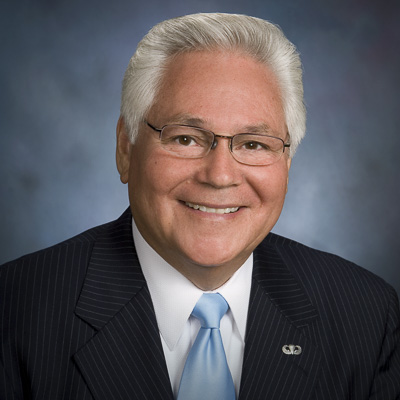
"Senate Bill 804 ensures that California is that safety leader."
Senator Bob Archuleta, author of SB 804
The bill requires continuous leak monitoring systems on covered pipelines. Owners must design and build lines to keep hydrogen leakage at the lowest technically feasible level.
Reporting duties follow the same clear line. Operators submit an annual compliance report to the office by March 30, covering concentration data and any confirmed leaks from the prior year.
None of this authorizes new pipeline construction on its own. The bill sets the safety rulebook first. If hydrogen infrastructure gets built in California, it operates under one accountable standard. Senator Archuleta made that point directly to the committee.

Why Does the Bill Return Oversight to the State Fire Marshal?
SB 804 did not start out this way. Earlier versions assigned the standard-setting job to the California Public Utilities Commission, with the California Energy Commission enforcing rules on private, intrastate lines.
That version carried a real price tag. The CPUC estimated one-time costs of about $2.2 million a year for three years through 2028 to write and enforce those standards. That figure comes from the Senate Appropriations Committee's May 19, 2025 analysis.
"These robust safety standards will help demonstrate that hydrogen can be used safely."
Martin Vindiola, California State Pipe Trades Council
Lawmakers and the author's office reworked the bill after last year's committee hearing. They worked with the Governor's office and the fire marshal's staff on the change. The result moved enforcement authority back to the OSFM, the agency already certified as California's federal pipeline safety partner.
Industry witnesses backed the shift, framing clear jurisdiction as good for both safety and the pipeline trades building this infrastructure. Not every stakeholder is fully on board with the current language though. Air Products has raised specific concerns about scope, even while supporting the bill's underlying intent.

SB 804 Compared With California's Carbon Pipeline Law
California passed a related pipeline measure last year covering a different molecule entirely. Both bills land on the same regulator, which suggests the state is settling on the Office of the State Fire Marshal as its go-to safety authority for decarbonization infrastructure.
| Bill | Molecule / Focus | Regulator Named | Status |
|---|---|---|---|
| SB 804 (Archuleta) | Dedicated hydrogen pipeline safety standards | Office of the State Fire Marshal | Advancing through Assembly committees, 2026 |
| SB 614 (Stern) | Dedicated CO2 pipelines for carbon storage transport | Office of the State Fire Marshal | Signed into law, October 10, 2025 |
What Happens Next for SB 804?
The bill has already cleared two Assembly policy committees this year. The Assembly Utilities and Energy Committee heard the amended version on June 24, 2026. The Assembly Emergency Management Committee voted it out to the Committee on Appropriations five days later, on June 29, 2026.
That appropriations stop is standard for any bill carrying fiscal impact, and SB 804 is keyed fiscal. The Assembly Utilities and Energy Committee's original 18 to 0 vote in June 2025 signals the bipartisan support the author has built across two sessions.
If SB 804 clears Appropriations and both floor votes, the fire marshal's office would have until January 1, 2028 to finalize standards. That timeline lines up with California's broader buildout of hydrogen hub infrastructure. It also gives pipeline developers, including those working on projects like Chevron's California hydrogen initiatives, a firm date to design toward.
The state's carbon side offers a useful preview of what regulatory clarity can unlock. California's first commercial carbon storage project broke ground within a year of its enabling framework taking shape. The site now holds 38 million metric tons of total storage capacity. A settled hydrogen pipeline rulebook could support similar progress on the California DAC Hub consortium and other state-backed carbon management hub work already underway.
>> RELATED: Hydrogen Hubs Face Critical Turning Point
Chevron Hydrogen Delivery Manager provides an overview of the company's hydrogen initiatives, including solar-to-hydrogen production projects in California’s Central Valley (Lost Hills) that support the state's growing hydrogen ecosystem and infrastructure needs. This aligns with efforts to advance safe, regulated hydrogen transport and use under frameworks like SB 804.
Setting the Rulebook Before the Pipelines Go In
Senator Archuleta's argument to the committee was straightforward. Establishing safety rules before infrastructure gets built costs less than retrofitting a system afterward.
SB 804 still needs to clear Appropriations and both chambers before that rulebook becomes law. It has an 18 to 0 committee vote on the books, plus two more committee approvals this year. That's the kind of bipartisan track record that tends to carry a bill to the Governor's desk.
Frequently Asked Questions
What does SB 804 actually require?
It requires the Office of the State Fire Marshal to write and enforce hydrogen-specific pipeline safety standards. Dedicated hydrogen pipelines must meet those rules by January 1, 2028.
Which pipelines does the bill cover?
Dedicated hydrogen pipelines, defined as lines built or majorly retrofitted to carry hydrogen at 50 percent or more of total gas volume.
Does SB 804 approve any new hydrogen pipeline projects?
No. The bill sets a safety and reporting framework. It does not mandate construction, approve a project, or bypass environmental review or local permitting.
For ongoing coverage of carbon removal, BECCS, and corporate CDR procurement, subscribe to Decarbonfuse.com.
Subscribe to the newsletter
Daily decarbonization data and news delivered to your inbox
Follow the money flow of climate, technology, and energy investments to uncover new opportunities and jobs.
Latest issues
-
Colorado Joins the 7-State CCS Permit Fast Lane
Inside This Issue ⚖️ Colorado Takes Over Class VI Permits: What Changes for CCS? 🏭 Hebei Shoulang Facility Using LanzaTech Technology Achieves World’s First ISCC EU RCF Certification for Ethanol P...
-
The US Hasn't Made Heavy Water Since 1982
Inside This Issue ⚛️ Aternium Completes FEED Studies for US Hydrogen, Heavy Water Project 🐄 Google, McKinsey Strike Brazil Carbon Removal Deal With Silvopasture Project 🔧 Cummins Selects Stargate ...
-
Why Colorado’s Koloma Has Japan’s Largest Utility Hooked
Inside This Issue ⚡ JERA Invests in Koloma to Explore Natural Hydrogen as a Future Low-Carbon Energy 🔬 New CATF Tool Provides Framework for Self-Assessment and Strengthening of Biomass Carbon Remo...
Company Announcements
-
Citi Closes $72 Million Carbon Removal-Linked Note to Support Applied Carbon Biochar Project
HIGHLIGHTS Citi structured an innovative $72 million carbon removal-linked note to provide upfront capital for Applied Carbon's biochar project, marking a first-of-its-kind "outcome bond" for ver...
-
New platform opens access to the same rigorous project evaluations trusted by the world's leading carbon removal procurement programs Today, Relae (formerly Carbon Direct) launched The Diligence C...
-
Inside BLM's 650,000-Acre Bet on Wyoming Carbon Storage
The Bureau of Land Management has offered right-of-way grants covering about 649,438 acres of federal pore space in southwest Wyoming. The September 21, 2026 offers went to Moxa Carbon Storage LLC ...
-
NEW YORK, BUSINESS WIRE, SWITCH Maritime (Switch), a leading developer of zero-emission vessels, secured a Design Basis Agreement (DBA) with the United States Coast Guard (USCG) for the SWITCH-150,...