
Captura's new $12.5 million round is not really about carbon removal. It funds a membrane factory in Pasadena that makes acid and base from salt water, a process with paying customers in lithium extraction, water treatment, and energy storage, none of which need a ton of CO2 to exist.
The Series B, announced June 26, 2026, was led by Equinor Ventures, with Aramco Ventures, EDP Ventures, Eni Next, Freeflow Ventures, Hitachi Ventures, the Japan Airlines and TransLink Innovation Fund, Maersk Growth, mTerra Ventures, and National Grid Partners all returning. That is nearly every investor from Captura's prior rounds, betting again on the same core technology.
This is Captura's first Series B, following a $12 million Series A in 2023, a $21.5 million expansion in 2024, and a later increase to $45.3 million. Decarbonfuse has covered the Mitsui offtake, the Hawaii pilot, the French eSAF supply deal, and a board appointment. This round looks different. The money funds manufacturing capacity, not a carbon removal plant.
Key Facts
- Captura raised $12.5 million in a Series B round announced June 26, 2026, led by Equinor Ventures.
- The core technology, bipolar membrane electrodialysis, splits salt water into acid and base streams using an electric field. It has been used industrially for decades outside climate tech.
- Captura already holds purchase orders for electrodialysis stacks sold into the lithium extraction market, with first deliveries expected this summer.
- Captura's membranes are also being piloted in a Canadian company's low-carbon cement process, a second confirmed crossover beyond carbon removal.
- The funding builds out Captura's only U.S. plant that manufactures complete electrodialysis systems, located in Pasadena, California.
>> In Other News: Copenhagen Infrastructure Partners Takes FID on Large-Scale Biogas Plant in Spain
What is bipolar membrane electrodialysis, really?
Bipolar membrane electrodialysis, or BPMED, uses an electric current and a stack of ion-exchange membranes to split a salt solution into an acid stream and a base stream. No added chemicals. No byproducts.
For Captura, that matters because seawater holds dissolved CO2. Pump in the acid stream, and the CO2 releases as gas, ready to capture. Add the base stream back before the water returns to the ocean, restoring its natural pH.
That sequence powers Captura's direct ocean capture system. But the splitting step itself is a technique chemical engineers have used in industrial settings for decades, for jobs that have nothing to do with carbon. Carbon removal is one application of an older tool, not the other way around.
Acid and base regeneration from electrodialysis already runs in metal plating plants, food processing lines, and industrial water treatment facilities worldwide. Market research firms tracking the bipolar electrodialysis membrane sector put its 2025 value at roughly 105.3 million dollars, growing toward 452.6 million dollars by 2035.

Bipolar membrane electrodialysis uses electricity and ion-exchange membranes to create acid and base streams from saltwater. In direct ocean capture, the acid releases dissolved CO2 for collection, while the base is returned to help restore seawater pH before discharge.
Why is lithium extraction the strongest adjacent market?
Direct lithium extraction needs to separate lithium from brine faster than old evaporation ponds allow, and Captura already has orders to help with that. The company has secured purchase orders for its first electrodialysis stacks built for lithium extraction customers, with initial deliveries expected this summer. That is not a future possibility. It is a signed contract with a delivery date.
Direct lithium extraction, known industry-wide as DLE, is the fastest-growing corner of lithium mining. Traditional evaporation ponds take 12 to 24 months and recover only 40 to 60 percent of available lithium. DLE methods, including membrane-based approaches like electrodialysis, can finish extraction in hours or days at recovery rates above 80 percent, according to IDTechEx research.
- The global DLE technology and services market is projected to grow from 1.54 billion dollars in 2026 to 5.72 billion dollars by 2036, a 14 percent compound annual growth rate, per Fact.MR.
- Over 3 billion dollars has been committed to DLE projects globally since 2020, according to Future Markets Inc.
- IDTechEx expects the United States to become a leading DLE market by 2036, driven largely by oilfield brine resources.
That last point lines up with Captura's footprint. Its production plant sits in Pasadena, and the new funding expands the domestic manufacturing capacity now producing stacks for lithium customers.
| Application | Market Status | Captura's Role |
|---|---|---|
| Direct Lithium Extraction | $1.54B in 2026, growing to $5.72B by 2036 | Active. Purchase orders signed, deliveries this summer. |
| Acid and Base Regeneration | Decades-old, established industrial process | Piloted with CURA in low-carbon cement production |
| Industrial Water Treatment | Mature, global, multi-decade adoption | Named as a target market, no confirmed deal yet |
| Long-Duration Energy Storage | Early-stage, expanding with grid demand | Named as a target market, no confirmed deal yet |
| Direct Ocean Capture | Emerging carbon removal pathway | Original application, still active and expanding globally |
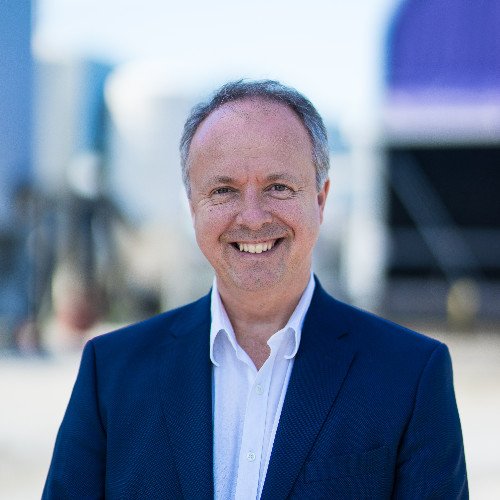
"We are now manufacturing electrodialysis systems for customers while continuing to advance commercial deployment of direct ocean capture globally."
Steve Oldham, CEO of Captura
Oldham is describing two businesses running in parallel: manufacturing for paying customers, and direct ocean capture deployment. One is not replacing the other.
Is carbon removal still part of the plan?
Yes. Carbon removal remains a live, growing line of Captura's business, not a project being wound down for lithium.
Equinor's investment in this round builds on an existing collaboration agreement between the two companies, following commercial validation of Captura's direct ocean capture system through a joint qualification program. That is a carbon removal partner doubling down, in the same round that funds lithium-market manufacturing.
The more accurate read is diversification, not abandonment. Captura is de-risking a single-revenue-stream bet by selling the same hardware into markets that do not depend on carbon credit prices or climate policy timelines. Lithium buyers do not care about CO2 removal verification standards. Cement producers do not care about voluntary carbon market pricing. Both are paying for membrane performance, full stop.
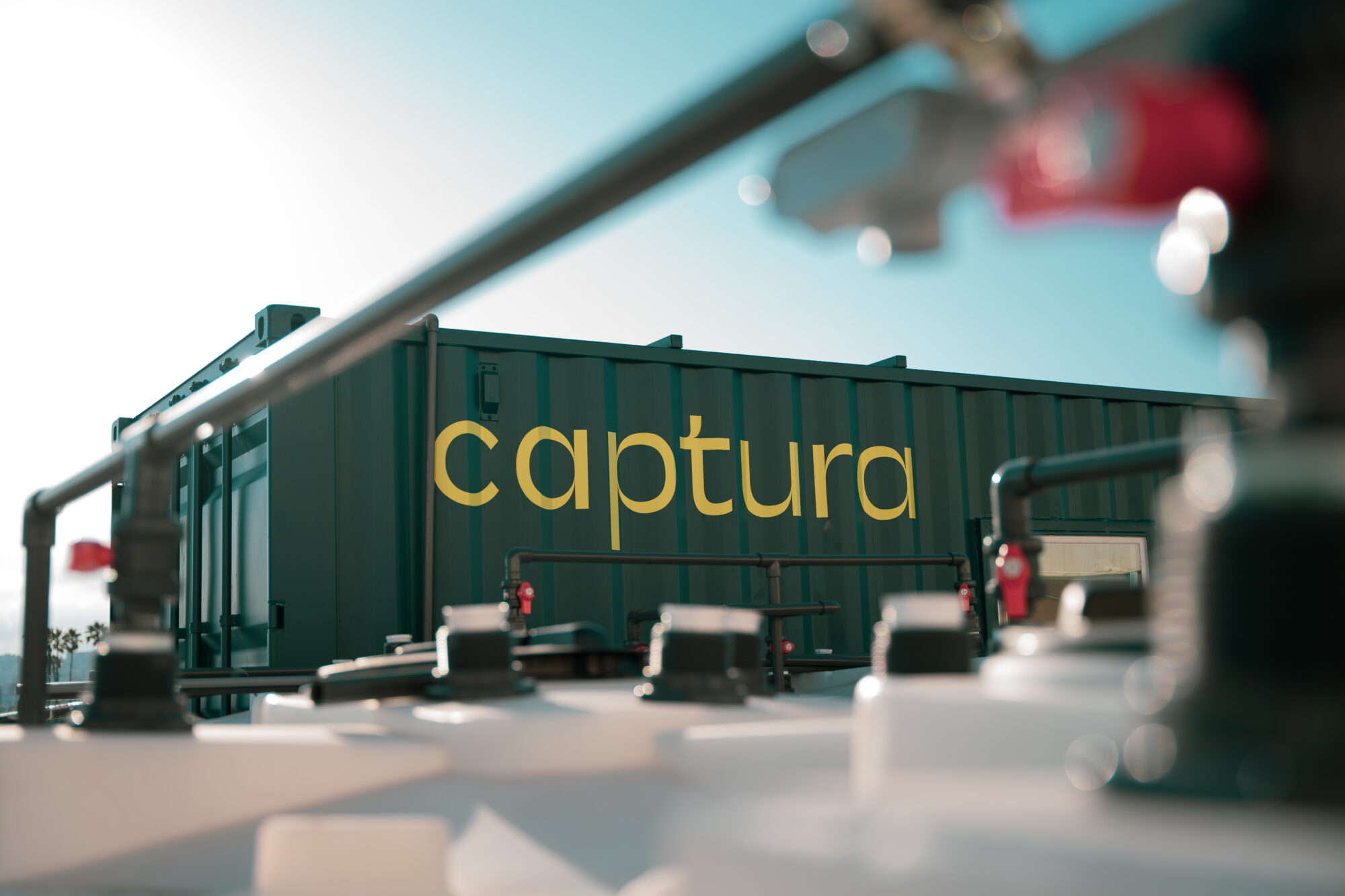
Captura explains how its Direct Ocean Capture system uses electrodialysis to remove CO2 from seawater, the same core membrane platform now being scaled for carbon removal and other industrial markets.
Captura is not the only player in this space
Bipolar membrane electrodialysis is not Captura's invention, and the company does not claim otherwise. Manufacturers including ASTOM Corporation, Fujifilm, FuMA-Tech, and Eurodia Industrie have built BPMED systems for chemical processing and wastewater applications for years, mostly outside North America.
What sets Captura apart is the bet that one production platform can serve carbon capture customers and industrial chemistry customers from the same factory floor, using the same membrane technology. That vertically integrated approach, in-house membrane formulation through finished commercial stacks, is what the new funding scales up.
Frequently Asked Questions
Is Captura moving away from direct ocean capture?
No. Equinor's participation in this round builds on an active carbon removal collaboration, and CEO Steve Oldham has said the company continues advancing commercial deployment of direct ocean capture globally alongside its new manufacturing work.
What is bipolar membrane electrodialysis used for outside carbon removal?
It is an established industrial technique for acid and base regeneration, water treatment, and resource recovery. Captura's version is now also producing electrodialysis stacks for direct lithium extraction customers and has been piloted in low-carbon cement production.
Has Captura confirmed lithium extraction customers, or is this speculative?
It is confirmed. Captura stated it has secured purchase orders for electrodialysis stacks built for lithium extraction customers, with initial deliveries expected in summer 2026.
Captura's next few quarters will show whether selling membranes to lithium and cement producers can fund carbon removal's slower payback timeline. Either way, the company now looks less like a single-bet climate startup and more like a chemical engineering supplier that happens to remove carbon dioxide too.
For ongoing coverage of carbon removal, BECCS, and corporate CDR procurement, subscribe to Decarbonfuse.com.
Subscribe to the newsletter
Daily decarbonization data and news delivered to your inbox
Follow the money flow of climate, technology, and energy investments to uncover new opportunities and jobs.
Latest issues
-
The US Hasn't Made Heavy Water Since 1982
Inside This Issue ⚛️ Aternium Completes FEED Studies for US Hydrogen, Heavy Water Project 🐄 Google, McKinsey Strike Brazil Carbon Removal Deal With Silvopasture Project 🔧 Cummins Selects Stargate ...
-
Why Colorado’s Koloma Has Japan’s Largest Utility Hooked
Inside This Issue ⚡ JERA Invests in Koloma to Explore Natural Hydrogen as a Future Low-Carbon Energy 🔬 New CATF Tool Provides Framework for Self-Assessment and Strengthening of Biomass Carbon Remo...
-
LNK Energies Targets $6.50 Hydrogen With No Federal Subsidies
Inside This Issue 🚛 MIT Startup Says It Can Turn Diesel Trucks Into Cheaper Hydrogen Haulers, See It at Disrupt 🏭 Baytown City Council Briefs: ExxonMobil Blue Hydrogen Agreement Approved 🌎 Colorad...
Company Announcements
-
A new interactive tool from Clean Air Task Force (CATF) provides a practical framework for the self-assessment and strengthening of biomass carbon removal (BiCRS) protocols to help ensure that carb...
-
LanzaJet Secures Financing to Scale SAF Production and Supply Global Customers
CHICAGO, Oct. 15, 2026 (GLOBE NEWSWIRE) -- LanzaJet, Inc., a leading next-gen fuels technology company and fuels producer, today announced fully committed new financing of at least $20 million to s...
-
44.01 and Frontier Advance Permanent CO₂ Storage Through In-Situ Mineralization
44.01's in-situ mineralization (ISM) process turns CO₂ into solid rock underground in a few years, after which the risk of reversal is functionally zero. >> In Other News: JERA Invests in ...
-
JERA Invests in Koloma to Explore Natural Hydrogen as a Future Low-Carbon Energy
JERA Co., Inc. (JERA), through its corporate venture capital arm JERA Ventures, has invested in Koloma, Inc. (Koloma), a U.S.-based natural hydrogen exploration and development company. The invest...