
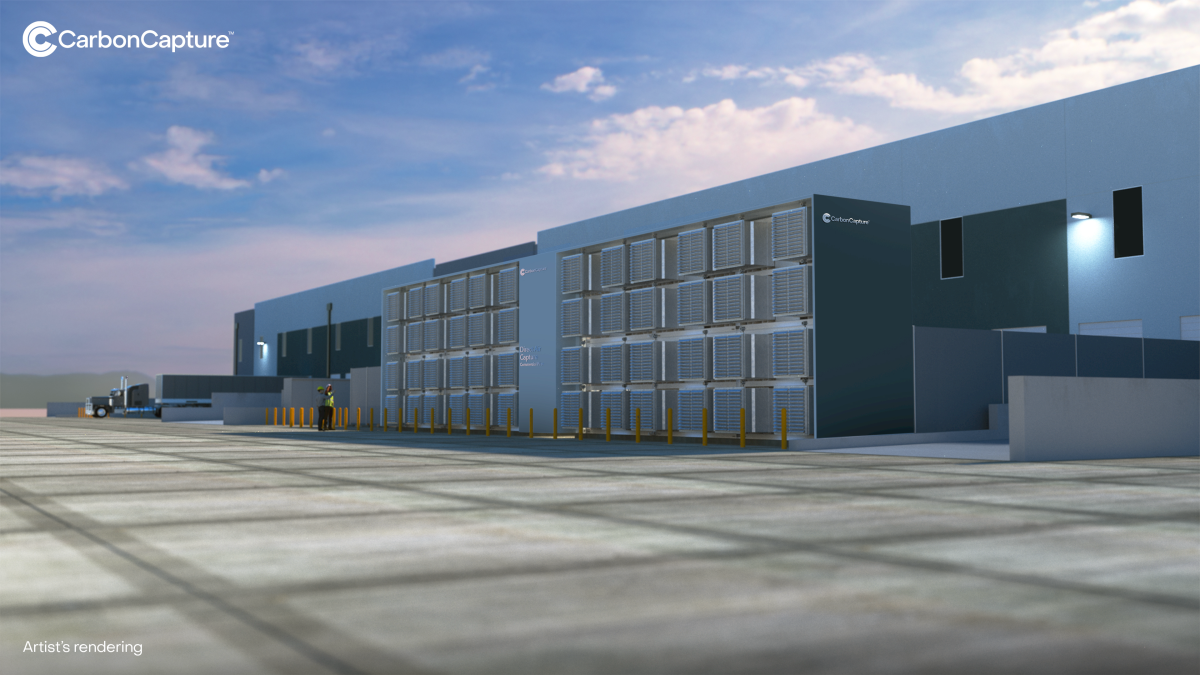
The fight against climate change demands urgent action. As greenhouse gases continue to rise in the atmosphere, technologies that capture and remove carbon dioxide are becoming increasingly crucial*.* CarbonCapture Inc., a leader in direct air capture (DAC) technology, has taken a significant step forward with the introduction of the Leo Series – the first commercially viable DAC system designed for mass production in the United States.
Direct Air Capture: A Breath of Fresh Air
DAC systems are essentially machines that extract carbon dioxide directly from the air. This captured carbon can then be permanently stored underground or even utilized for creating sustainable products like fuels and building materials. DAC technology offers a vital tool for removing existing carbon dioxide from the atmosphere, mitigating the effects of climate change and paving the way for a cleaner future.
The Leo Series: A Modular Marvel
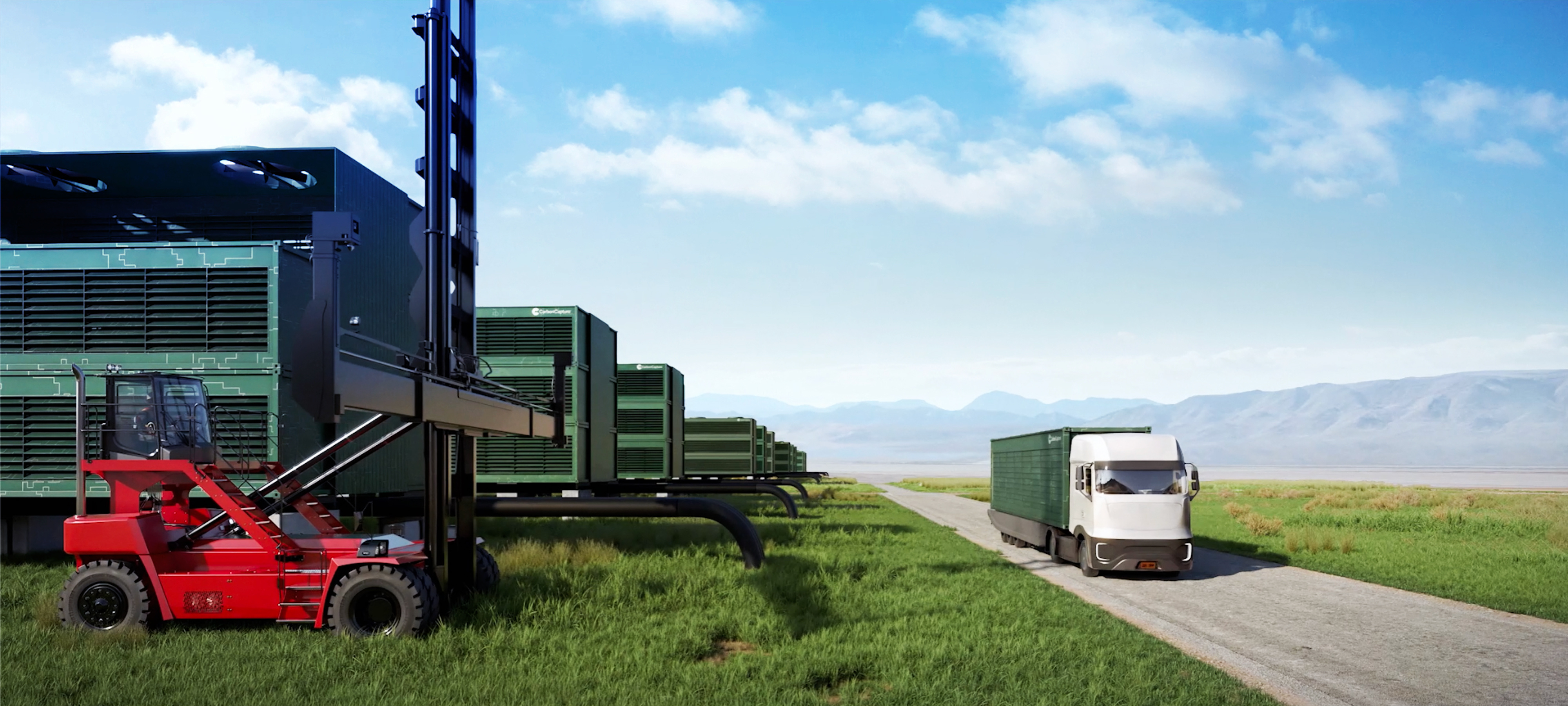
The Leo Series represents a breakthrough in DAC technology. Unlike previous systems, the Leo Series boasts a modular design. Each module is roughly the size of a shipping container and can capture a staggering amount – over 500 tons – of CO2 annually. This modularity allows for greater flexibility and scalability. Multiple Leo Series modules can be easily connected to form large-scale DAC arrays, significantly increasing carbon capture capacity.
From Prototype to Production: A Scalable Solution
CarbonCapture's commitment to mass production is further solidified by their new 83,000-square-foot manufacturing facility in Mesa, Arizona. This facility has the potential to produce a staggering 4,000 Leo Series modules per year, translating to over two million tons of annual carbon removal capacity. This facility leverages economies of scale, similar to how the solar industry drastically reduced costs through mass production.
>> In Other News: Heirloom to Build Two Direct Air Capture (DAC) Facilities in Northwest Louisiana
A Global Impact: Breathing Easier on a Planetary Scale
The Leo Series holds immense potential for tackling climate change on a global scale. By actively removing carbon dioxide from the atmosphere, these DAC systems can help us achieve crucial climate targets and mitigate the worst effects of global warming. The captured carbon can also benefit various industries seeking carbon neutrality and meet environmental regulations.
Collaboration is Key: Accelerating Adoption
The success of DAC technology hinges on collaboration between industry leaders, government agencies, and the public. The Leo Series unveiling event brought together key stakeholders, including Chris Neidl, who commented on the importance of the private sector in advancing carbon capture: "What CarbonCapture Inc. is doing...underscores the indispensable role of the private sector..." Additionally, Brad Crabtree, representing the U.S. Department of Energy, highlighted the government's role in supporting this technology: "Achieving our climate goals will require...CarbonCapture Inc. is a great example..."
Looking Ahead: A Sustainable Future Takes Flight
The Leo Series marks a turning point in the fight against climate change. With ongoing innovation and continued industry collaboration, future iterations of the Leo Series promise even greater efficiency and cost reductions. As Nick Ellis from Amazon's Climate Pledge Fund noted, "We look forward to continuing to work with CarbonCapture..." Challenges like cost reduction and public acceptance remain, but the Leo Series offers a powerful tool for building a more sustainable future.
The Leo Series is a game-changer in the fight against climate change. Its innovative design, scalable production, and potential for global impact make it a crucial technology for achieving our environmental goals. Continued support and investment in DAC technologies like the Leo Series are essential for ensuring a cleaner, healthier planet for generations to come.
Subscribe to the newsletter
Daily decarbonization data and news delivered to your inbox
Follow the money flow of climate, technology, and energy investments to uncover new opportunities and jobs.
Latest issues
-
Who Bought Gevo’s $50M in 45Z Credits?
Inside This Issue ⛽ Gevo Sells $70M in 45Z Credits to a New Kind of Buyer 🌱 South Pole, Gaïago, and Gold Standard Issue European Soil Carbon Credits, Unlocking Verified Regenerative Agriculture Re...
-
Verra Landed CCP Approval. What Changes for DAC?
Inside This Issue ✅ Verra's CCS Credits Just Got the Integrity Seal Buyers Want 💰 South Korea Unveils $747 Billion Energy Transition Plan Through 2035 💧 Hydrogen and Carbon Capture and Storage in ...
-
Quebec Wood Waste Just Became Jet Fuel
Inside This Issue 🌲 ARC Bio Tests a Refinery Shortcut to Forest-Based SAF 💧 Scientists Just Found a New Way to Make Hydrogen from Water 🤝 How Channel Partnerships Are Helping More Organizations Ta...
Company Announcements
-
Mineral Europa: A Game Changer for Shipping
Antwerp, Oct. 09, 2026 (GLOBE NEWSWIRE) -- Antwerp, 9 October 2026 – CMB.TECH NV (“CMB.TECH” or the “Company”) (NYSE: CMBT, Euronext Brussels: CMBT and Euronext Oslo Børs: CMBTO) today announces th...
-
Download PDF (170.95 KB) Eni CCUS Holding, owned jointly by Eni and Global Infrastructure Partners ("GIP"), part of BlackRock, announces that Liverpool Bay CCS has completed the installation of th...
-
First-of-its-kind project in France and Belgium marks a major breakthrough for carbon credit buyers seeking high-integrity, high-impact regenerative agriculture removals in Europe; providing buyer...
-
Gevo and ClimeFi Complete Carbon Removal Transaction, Advancing Gevo's Growing Carbon Business
Transaction supports Gevo's path toward a carbon business exceeding $30 million in annual revenue from existing operations ENGLEWOOD, Colo., Oct. 08, 2026 (GLOBE NEWSWIRE) -- Gevo, Inc. (NASDAQ: G...