
Delta Air Lines and Shell Aviation signed a five-year agreement, running through 2030, to build permanent sustainable aviation fuel infrastructure at five US airports. The deal covers LAX, JFK, Boston Logan, Portland, and Minneapolis-St. Paul. Rather than another one-off fuel purchase, this is a shift toward blending, logistics, and delivery systems built to hold up against fuel market shocks.
Key Facts
- Five airports covered: LAX, JFK, Boston Logan, Portland, and Minneapolis-St. Paul
- Agreement runs five years, through 2030
- Shell plans to deliver at least 15 million gallons of SAF to Delta in 2026 (Aviation Week)
- Deal value and total volume have not been disclosed by either company
- Includes joint testing of alcohol-to-jet and power-to-liquid production pathways
- Global SAF supply covers just 0.8% of jet fuel use in 2026 (IATA)
>> In Other News: [x](x)
What Did Delta And Shell Just Agree To?
Delta Air Lines, the Atlanta-based carrier, and Shell Aviation, the aviation fuels arm of energy company Shell, announced the five-year agreement on July 15, 2026. The deal runs through 2030 and covers five priority hubs: Los Angeles International (LAX), John F. Kennedy International (JFK), Boston Logan International (BOS), Portland International (PDX), and Minneapolis-St. Paul International (MSP).
Shell will manage both blended and neat, meaning unblended, SAF deliveries at each location. That includes the blending, logistics, and distribution work needed to get fuel from producer to aircraft reliably.
The companies have not disclosed the dollar value or total fuel volume of the agreement. Aviation Week reports that Shell will deliver at least 15 million gallons of SAF to Delta in 2026, with options to scale volume in later contract years as the market develops.
>> RELATED: US SAF Production Hits Critical 30,000 BPD

Why Is This More Than Another SAF Purchase Announcement?
Delta's own language points to a strategy shift, moving away from sporadic SAF buys toward permanent supply infrastructure. The company frames this as a response to recent fuel market volatility, not just a sustainability goal.
Delta Chief Sustainability Officer Amelia DeLuca connected the deal directly to supply security, not emissions targets alone.
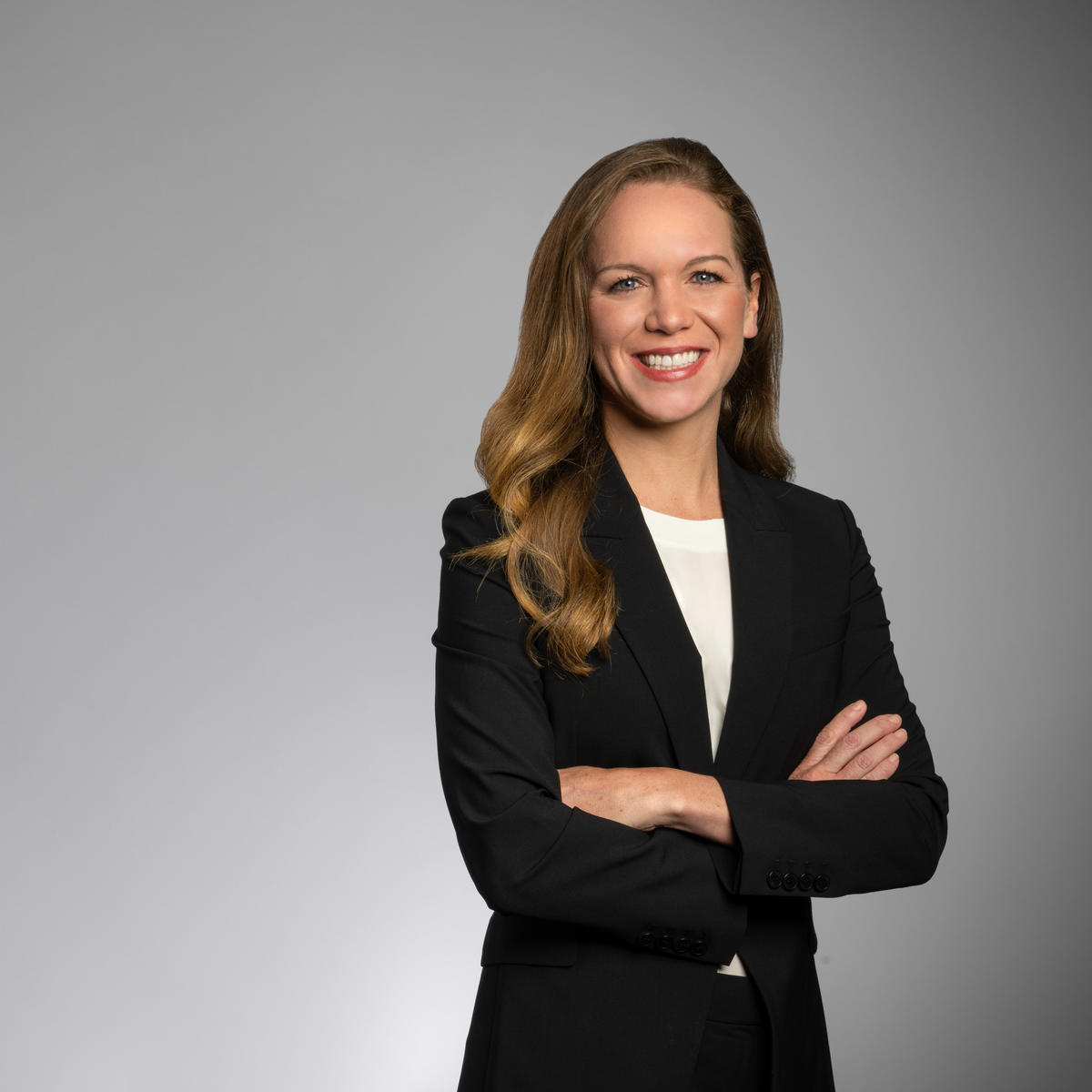
"Current instability and uncertainty have made one thing very clear to consumers and businesses alike, supply diversity matters. With Shell, we're proving that scaling SAF isn't theoretical, it's achievable."
Amelia DeLuca, Chief Sustainability Officer, Delta Air Lines
That framing matters. Roughly 90% of Delta's carbon emissions come from jet fuel, according to the airline's own reporting. When fuel markets tighten, SAF infrastructure becomes both a decarbonization tool and a hedge against supply disruption at the same time.

Global SAF production is expected to reach about 2.4 million metric tonnes in 2026, yet still cover just 0.8% of worldwide jet fuel demand. Source: IATA, June 2026 estimates.
How Small Is The Current Global SAF Supply?
Global SAF production will cover just 0.8% of jet fuel consumed worldwide in 2026, according to the International Air Transport Association. That's the tension behind this deal: a five-hub infrastructure buildout against a fuel pool that's still tiny.
IATA projects total SAF production will reach approximately 2.4 million metric tonnes in 2026, up more than 26% from 2025, per IATA's June 2026 estimates. Airlines worldwide are expected to spend close to 4.3 billion dollars on SAF purchases this year, IATA reports, reflecting the fuel's higher cost relative to conventional jet fuel.
| Year | Global SAF Production | Share of Jet Fuel Use |
|---|---|---|
| 2025 (estimate) | Approximately 1.9 million metric tonnes | 0.6% |
| 2026 (projected) | Approximately 2.4 million metric tonnes | 0.8% |
This is why hydrogen hubs facing policy headwinds and SAF infrastructure deals are getting linked together in industry conversations lately. Both depend on building physical delivery systems years ahead of the fuel volumes actually catching up.
Delta's five-hub buildout won't close that supply gap by itself. But locking in logistics and blending capacity now means the airline is positioned to absorb new supply as producers scale. That's a different bet than simply hoping volumes show up.

Delta and Shell plan to test alcohol-to-jet and power-to-liquid pathways alongside SAF made from fats, oils, wastes, and residues, broadening the fuel sources available under the agreement.
What New Fuel Technologies Are Part Of The Deal?
Delta and Shell will jointly test alcohol-to-jet and power-to-liquid production pathways as part of the agreement. Both are next-generation SAF routes that don't rely solely on used cooking oil and animal fat feedstocks.
Shell has said it will source SAF for Delta from multiple producers, including Montana Renewables, a Great Falls, Montana-based SAF and renewable diesel producer, and Diamond Green Diesel, a renewable fuels joint venture between Valero Energy and Darling Ingredients, according to Aviation Week reporting. Initial deliveries will run on fatty acid, waste, and residue based feedstocks, with alcohol-to-jet and power-to-liquid volumes expected to add supply over time.
Shell's aviation lead, Reema Bari, framed the deal as covering both near-term needs and longer-term fuel innovation.

"This collaboration delivers on today's fuel needs and tomorrow's aviation solutions. By supplying conventional jet, SAF and longer-term innovation, the deal will help strengthen energy security and contribute to the transformation of aviation."
Reema Bari, Head of Aviation Americas, Shell
The deal also builds on ground Delta has already broken. The airline is an anchor partner in the Minnesota SAF Hub coalition, and in 2024 received two shipments of more than 7,000 gallons each of SAF at Minneapolis-St. Paul and Detroit airports, the first SAF deliveries in either state's aviation history.
What is Sustainable Aviation Fuel and how does it work? | Shell (official channel, Sep 2025) – Professional explainer on SAF production, use, and benefits including up to 80% lifecycle emissions reduction, featuring Delta Air Lines as an example user."
How Does This Compare To Other Decarbonization Infrastructure Bets?
Delta and Shell aren't the only players building physical infrastructure ahead of demand. The pattern shows up across carbon capture, clean hydrogen hub development, and now aviation fuel.
- SAF production capacity: DG Fuels is building a new plant in Phelps County, Nebraska, tied to agricultural feedstock supply
- SAF processing technology: Honeywell is supplying modular units for a large renewable fuels complex in Brazil
- Carbon removal infrastructure: direct air capture hub funding remains tied to federal budget decisions
The common thread is timing. Companies are locking in logistics, storage, and delivery capacity now, ahead of the point where feedstock supply and production volume actually catch up. Delta and Shell's five-hub deal fits that same pattern in aviation.
Frequently Asked Questions
Did Delta and Shell disclose how much the SAF deal is worth?
No. Both companies have kept the dollar value and total fuel volume of the five-year agreement confidential. Aviation Week reports Shell plans to deliver at least 15 million gallons in 2026, with room to scale in future years.
What is alcohol-to-jet fuel?
Alcohol-to-jet, or AtJ, converts ethanol or other alcohols into jet fuel. It's one of several SAF production pathways beyond the more common used cooking oil and animal fat based methods, and it opens the door to agricultural feedstocks at larger scale.
Which airports are covered under the Delta-Shell agreement?
Five US airports: Los Angeles International (LAX), John F. Kennedy International (JFK), Boston Logan International (BOS), Portland International (PDX), and Minneapolis-St. Paul International (MSP).
Where This Leaves The Rest Of The Industry
SAF still makes up less than 1% of global jet fuel today, sitting at that 0.8% mark IATA projects for 2026. Infrastructure deals like this one won't change that number overnight.
What they do change is readiness. When production does scale, whether through new feedstock-based plants or next-generation pathways like power-to-liquid, Delta and Shell will already have the blending and delivery systems in place at five major hubs. That's the real value of this agreement. It's less about the fuel available today and more about the pipes built for the fuel that's coming.
For ongoing coverage of carbon removal, BECCS, and corporate CDR procurement, subscribe to Decarbonfuse.com.
Subscribe to the newsletter
Daily decarbonization data and news delivered to your inbox
Follow the money flow of climate, technology, and energy investments to uncover new opportunities and jobs.
Latest issues
-
The US Hasn't Made Heavy Water Since 1982
Inside This Issue ⚛️ Aternium Completes FEED Studies for US Hydrogen, Heavy Water Project 🐄 Google, McKinsey Strike Brazil Carbon Removal Deal With Silvopasture Project 🔧 Cummins Selects Stargate ...
-
Why Colorado’s Koloma Has Japan’s Largest Utility Hooked
Inside This Issue ⚡ JERA Invests in Koloma to Explore Natural Hydrogen as a Future Low-Carbon Energy 🔬 New CATF Tool Provides Framework for Self-Assessment and Strengthening of Biomass Carbon Remo...
-
LNK Energies Targets $6.50 Hydrogen With No Federal Subsidies
Inside This Issue 🚛 MIT Startup Says It Can Turn Diesel Trucks Into Cheaper Hydrogen Haulers, See It at Disrupt 🏭 Baytown City Council Briefs: ExxonMobil Blue Hydrogen Agreement Approved 🌎 Colorad...
Company Announcements
-
A new interactive tool from Clean Air Task Force (CATF) provides a practical framework for the self-assessment and strengthening of biomass carbon removal (BiCRS) protocols to help ensure that carb...
-
LanzaJet Secures Financing to Scale SAF Production and Supply Global Customers
CHICAGO, Oct. 15, 2026 (GLOBE NEWSWIRE) -- LanzaJet, Inc., a leading next-gen fuels technology company and fuels producer, today announced fully committed new financing of at least $20 million to s...
-
44.01 and Frontier Advance Permanent CO₂ Storage Through In-Situ Mineralization
44.01's in-situ mineralization (ISM) process turns CO₂ into solid rock underground in a few years, after which the risk of reversal is functionally zero. >> In Other News: JERA Invests in ...
-
JERA Invests in Koloma to Explore Natural Hydrogen as a Future Low-Carbon Energy
JERA Co., Inc. (JERA), through its corporate venture capital arm JERA Ventures, has invested in Koloma, Inc. (Koloma), a U.S.-based natural hydrogen exploration and development company. The invest...