
The U.S. Department of Energy (DOE) has announced a groundbreaking initiative that aims to revolutionize how carbon emissions are managed and utilized.
The department's Office of Fossil Energy and Carbon Management (FECM) recently issued a Notice of Intent (NOI) to allocate funding, under the Bipartisan Infrastructure Law, for innovative pilot-scale projects that transform carbon emissions into valuable products.
This move underscores the DOE’s commitment to fostering environmentally friendly technologies and supporting a net-zero economy.
>> RELATED: DOE Announces Intent to Fund Pilot-Scale Projects That Convert Carbon Emissions into Value-Added Products
A Transformative Vision for Carbon Utilization
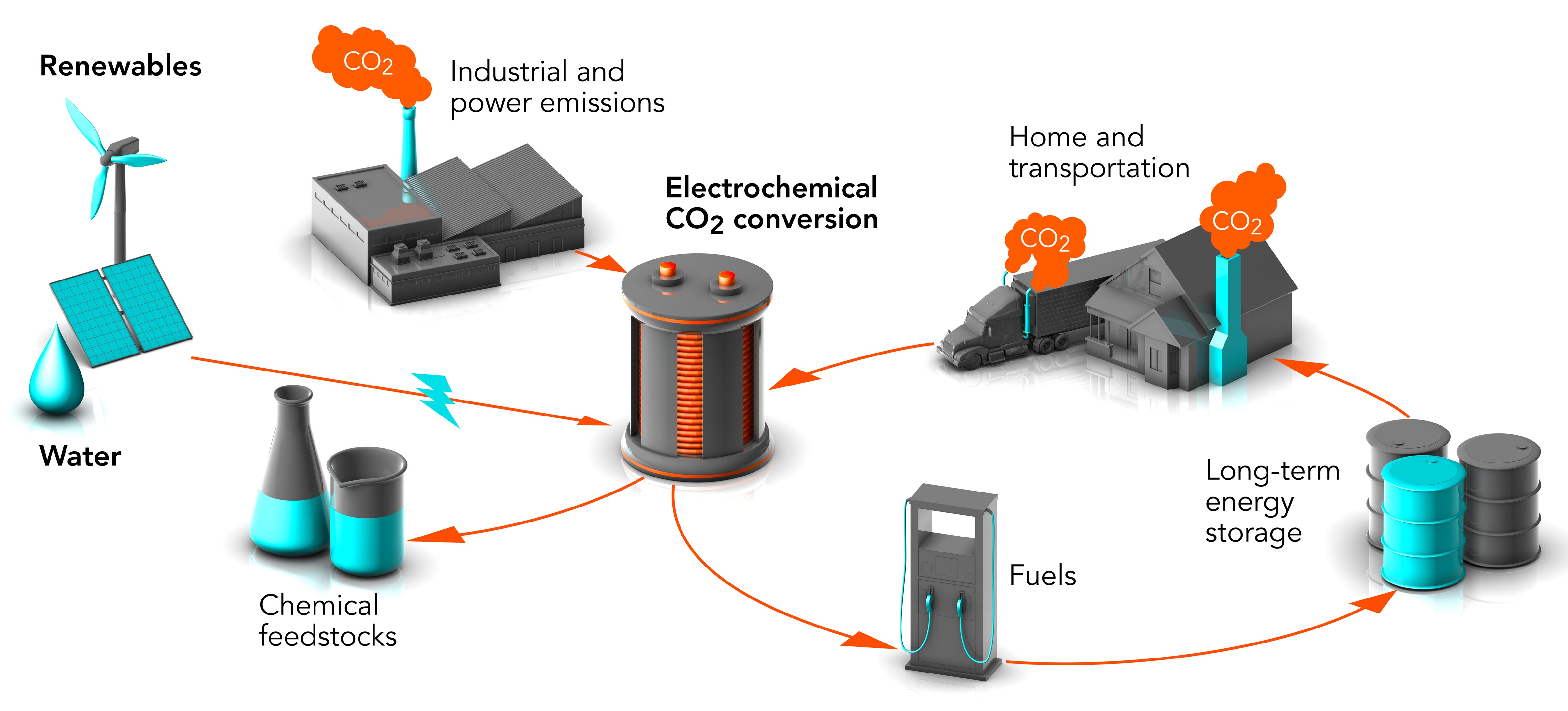
This program is designed to support projects that leverage cutting-edge technologies to convert carbon emissions into critical products such as fuels, building materials, and other carbon-based commodities.
By doing so, these initiatives aim to replace less sustainable products with environmentally conscious alternatives.
Carbon conversion technologies are a cornerstone in the fight against climate change, offering a pathway to turn waste into value while reducing greenhouse gas emissions.
**A DOE representative highlighted the importance of this program, stating, "These pilot projects are not just about reducing emissions; they are about creating a sustainable economy that benefits everyone."
"We are committed to ensuring that these projects uplift workers and communities, delivering not only environmental progress but also economic equity."
Driving Innovation Through Advanced Technologies
The upcoming funding opportunity will focus on advancing carbon conversion technologies that are ready for large-scale implementation.
By supporting pilot-scale projects, the program seeks to demonstrate the viability of these solutions while fostering innovation.
Key areas of technological focus include:
Biological Pathways: Leveraging microorganisms to convert CO2 into bio-based products.
Catalytic Processes: Using chemical catalysts to synthesize valuable materials from emissions.
Mineralization Methods: Transforming CO2 into stable, solid materials for industrial use.
In addition to developing conversion technologies, the DOE will also fund lifecycle analysis and product testing to ensure these innovations meet market and consumer needs.
Such a comprehensive approach is essential to bridge the gap between innovation and widespread adoption.
>> In Other News: Pulsar Helium Signs Agreement With Chart Industries for Helium and CO2 Capture And Production
Economic and Environmental Benefits for All
The program’s potential benefits extend beyond technological advancements. It aligns with the Biden administration's goal of creating inclusive economic opportunities across the U.S.
By emphasizing community engagement and prioritizing labor concerns, the initiative seeks to deliver high-quality jobs and tangible economic benefits to underserved areas.
Additionally, the transition to affordable, environmentally friendly products promises to benefit manufacturers, technology providers, and consumers alike.
The focus on community-driven outcomes ensures that this effort is not just about reducing emissions but also about fostering social and economic well-being.
A Glimpse Into the Future
The DOE’s announcement is part of its larger strategy to minimize the environmental impacts of fossil fuels while advancing innovative solutions to achieve net-zero emissions.
Priority areas for the department include carbon capture, transport, and storage, as well as methane emissions reduction and hydrogen production.
With the issuance of a Notice of Funding Opportunity (NOFO) expected in 2025, prospective applicants are encouraged to review the full NOI to prepare.
This opportunity could unlock a new era of sustainable innovation, providing a pathway for stakeholders to contribute meaningfully to a cleaner future.
To learn more about this initiative, visit the Office of Fossil Energy and Carbon Management website or explore the National Energy Technology Laboratory website.
Subscribe to the newsletter
Daily decarbonization data and news delivered to your inbox
Follow the money flow of climate, technology, and energy investments to uncover new opportunities and jobs.
Latest issues
-
Why Colorado’s Koloma Has Japan’s Largest Utility Hooked
Inside This Issue ⚡ JERA Invests in Koloma to Explore Natural Hydrogen as a Future Low-Carbon Energy 🔬 New CATF Tool Provides Framework for Self-Assessment and Strengthening of Biomass Carbon Remo...
-
LNK Energies Targets $6.50 Hydrogen With No Federal Subsidies
Inside This Issue 🚛 MIT Startup Says It Can Turn Diesel Trucks Into Cheaper Hydrogen Haulers, See It at Disrupt 🏭 Baytown City Council Briefs: ExxonMobil Blue Hydrogen Agreement Approved 🌎 Colorad...
-
Why Gulf Coast CCS Teams Are Watching Liverpool Bay
Inside This Issue 💂 Eni’s Douglas Platform Sets the Offshore CCS Blueprint 🌲 Pacolet Milliken Expands Its Biomass Platform With the Acquisition of Georgia Renewable Power 🧪 Metacon Receives EU Fun...
Company Announcements
-
A new interactive tool from Clean Air Task Force (CATF) provides a practical framework for the self-assessment and strengthening of biomass carbon removal (BiCRS) protocols to help ensure that carb...
-
LanzaJet Secures Financing to Scale SAF Production and Supply Global Customers
CHICAGO, Oct. 15, 2026 (GLOBE NEWSWIRE) -- LanzaJet, Inc., a leading next-gen fuels technology company and fuels producer, today announced fully committed new financing of at least $20 million to s...
-
44.01 and Frontier Advance Permanent CO₂ Storage Through In-Situ Mineralization
44.01's in-situ mineralization (ISM) process turns CO₂ into solid rock underground in a few years, after which the risk of reversal is functionally zero. >> In Other News: JERA Invests in ...
-
JERA Invests in Koloma to Explore Natural Hydrogen as a Future Low-Carbon Energy
JERA Co., Inc. (JERA), through its corporate venture capital arm JERA Ventures, has invested in Koloma, Inc. (Koloma), a U.S.-based natural hydrogen exploration and development company. The invest...