
The shift to zero-emission vehicles in the transportation sector is gaining momentum, with hydrogen fuel cell technology expected to play a vital role.
California is leading the way in advancing hydrogen infrastructure through the EnergIIZE Hydrogen funding lane, which aims to facilitate the wider adoption of these vehicles. This article offers a detailed summary of the program, empowering stakeholders to seize this opportunity and contribute to a more sustainable future.

EnergIIZE: A Driver for Cleaner Infrastructure
The EnergIIZE initiative by the California Energy Commission (CEC) provides various funding lanes to encourage the establishment of infrastructure for zero-emission commercial vehicles. The EnergIIZE Hydrogen funding lane focuses on building hydrogen fueling stations, which are essential for the extensive use of hydrogen fuel cell trucks, buses, and other heavy-duty applications.
IN OTHER NEWS: CERAWeek by S&P Global to Showcase the 2024 Class of Energy Innovation Pioneers
Accessing Funds for Hydrogen Infrastructure
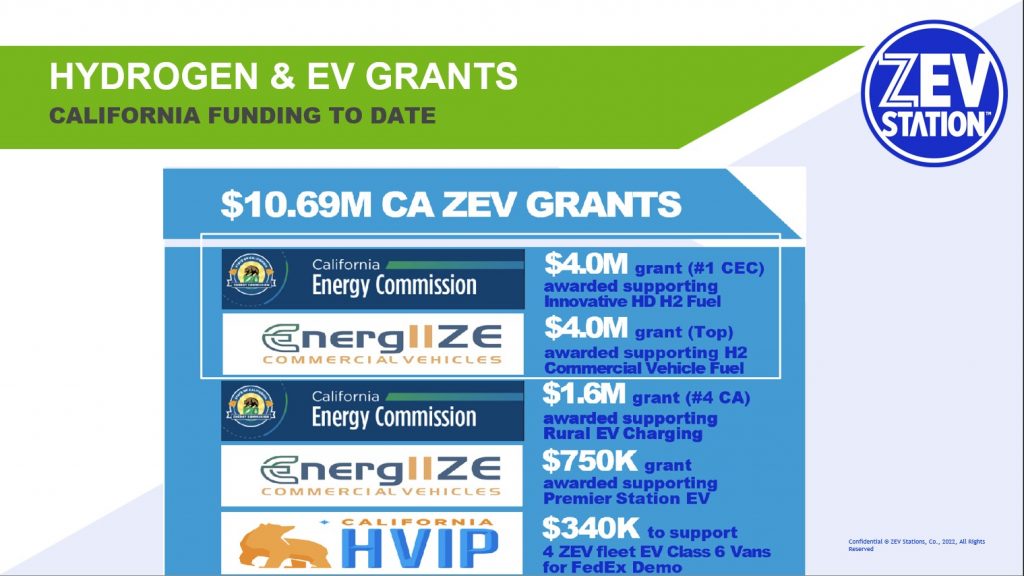
The EnergIIZE Hydrogen funding lane offers substantial incentives. Standard projects can secure funding for up to 50% of eligible equipment and software costs, with a maximum of $3 million per project, leading to significant cost savings for hydrogen station owners and developers. Moreover, projects meeting specific equity criteria can access even greater benefits, with funding reaching 75% of eligible costs and a maximum of $4 million per project. The funding encompasses a wide range of equipment, such as dispensers, compressors, storage tanks, and related infrastructure crucial for efficient station operation.
Ensuring Project Quality and Safety
The EnergIIZE Hydrogen funding lane has set specific eligibility criteria to ensure the effectiveness and safety of funded projects. Applicants are required to show that their projects are designed for medium- or heavy-duty hydrogen fuel cell vehicles. Moreover, refueling stations must have the capability to dispense hydrogen at either 350 or 700 bar, in line with industry standards. It is also mandatory for projects to comply with established safety standards from ASME, ASTM, and NFPA.
Easy Application Process and Helpful Resources
The application process for the EnergIIZE Hydrogen funding lane is made to be efficient and accessible. You can submit applications and supporting documents through a dedicated Incentive Processing Center that opens alongside the application window. To help you navigate the process, there will be a Sandbox test application portal available on the EnergIIZE website starting March 25th, 2024. This will allow you to familiarize yourself with the application system before the actual window opens. Additionally, a "How to Apply'' workshop is set for March 26th, 2024, to provide further guidance and address any questions.
Advantages of Cost-Effective Implementation
The EnergIIZE Hydrogen program funding offers significant advantages for both fleet users and station owners. Fleet operators rely on a network of conveniently located hydrogen fueling stations for a successful transition to zero-emission vehicles. The reduced deployment costs will speed up the network's development, leading to broader adoption of hydrogen fuel cell technology. Meanwhile, station owners benefit from substantial financial aid, making hydrogen station development more appealing. This not only expands the availability of fueling infrastructure but also enhances competition in the hydrogen market.
Encouraging Eco-Friendly Travel with Hydrogen
The EnergIIZE Hydrogen funding lane is vital in promoting eco-friendly transportation solutions. By encouraging the development of hydrogen fueling infrastructure, the program actively facilitates the use of zero-emission hydrogen fuel cell vehicles. This technology plays a crucial role in reducing greenhouse gas emissions and combating climate change by eliminating tailpipe emissions.
A Call to Action for a Sustainable Future
The EnergIIZE Hydrogen funding lane provides a great chance to accelerate the development of hydrogen infrastructure in California. By using this program, transportation stakeholders can help promote the adoption of zero-emission vehicles and contribute to a more sustainable future. I encourage interested parties to visit the EnergIIZE website, attend the upcoming workshop, and explore the application process to take advantage of this crucial funding opportunity. Together, we can build a cleaner and more sustainable transportation future for California and beyond.
Subscribe to the newsletter
Daily decarbonization data and news delivered to your inbox
Follow the money flow of climate, technology, and energy investments to uncover new opportunities and jobs.
Latest issues
-
LNK Energies Targets $6.50 Hydrogen With No Federal Subsidies
Inside This Issue 🚛 MIT Startup Says It Can Turn Diesel Trucks Into Cheaper Hydrogen Haulers, See It at Disrupt 🏭 Baytown City Council Briefs: ExxonMobil Blue Hydrogen Agreement Approved 🌎 Colorad...
-
Why Gulf Coast CCS Teams Are Watching Liverpool Bay
Inside This Issue 💂 Eni’s Douglas Platform Sets the Offshore CCS Blueprint 🌲 Pacolet Milliken Expands Its Biomass Platform With the Acquisition of Georgia Renewable Power 🧪 Metacon Receives EU Fun...
-
Who Bought Gevo’s $50M in 45Z Credits?
Inside This Issue ⛽ Gevo Sells $70M in 45Z Credits to a New Kind of Buyer 🌱 South Pole, Gaïago, and Gold Standard Issue European Soil Carbon Credits, Unlocking Verified Regenerative Agriculture Re...
Company Announcements
-
MIT Startup Says It Can Turn Diesel Trucks Into Cheaper Hydrogen Haulers — See It at Disrupt
Diesel fuel powers everything from shipping to agriculture, and with prices hitting record highs in recent weeks, governments around the world are scrambling to contain the fallout. For now, that’...
-
Gevo Announces First Multi-Year Carbon Removal Credits Supply Agreement Through CEEZER
Three-Year Delivery of Durable Carbon Removals from Gevo North Dakota to a Leading Global Enterprise Software Company Gevo will supply durable carbon dioxide removal (CDR) credits from Gevo North...
-
Continental Refining to Double Biodiesel Capacity at Somerset Complex
SOMERSET, Ky. — Continental Refining Company is expanding its biodiesel production facility to double capacity at its Somerset industrial complex, while its soybean processing plant will remain idl...
-
Groundwork BioAg Secures 'BBB' BeZero Carbon Rating
The rating places Groundwork BioAg among the highest-rated agricultural soil carbon projects, opening a scalable pipeline of independently rated, high-integrity removals for corporate buyers. MAZO...