
Houston-based Vaulted Deep has closed a $35 million debt facility from Italian bank Mediobanca. The loan is supported by waste-service agreements and contracted carbon removal revenue.
Vaulted calls it the largest publicly disclosed U.S. commercial debt deal in durable carbon removal secured by long-term purchase contracts. The structure matters more than the size.

U.S. EPA Underground Injection Control well classes, showing the main uses and injection depths of Class I through Class VI wells.
>> In Other News: Anew Climate Expands European Forest Carbon Portfolio Through Ten-Year Agreement with Sweden's EKEN
What Did Vaulted Deep Secure from Mediobanca?
Vaulted Deep secured a $35 million commercial debt facility from Mediobanca on September 21, 2026. The money will fund new waste disposal sites across the U.S.
CFP Energy arranged the deal. It's a carbon and energy markets specialist with nine offices across Europe. Mediobanca is a Milan-based investment bank.
Vaulted builds underground disposal infrastructure for organic waste. It turns biosolids, manure, and paper sludge into a slurry. Then it injects that slurry thousands of feet underground using proven oil and gas well technology.
Two revenue streams supported the loan. The first is waste-service agreements with waste producers who need disposal capacity. The second is contracted carbon removal revenue, including offtakes with Frontier buyers.
Carbon offtakes alone did not secure the facility. The waste business carried part of the weight.
Key Facts
- Facility size: $35 million in commercial debt from Mediobanca, arranged by CFP Energy (September 2026)
- Support: waste-service agreements plus contracted carbon removal revenue, including Frontier offtakes
- Deliveries: more than 20,000 tons of carbon removal to Frontier buyers in the first half of 2026, more than all of 2025
- Growth: weekly waste volumes up sixfold since 2023
- Prior capital: about $48 million in equity plus an $8 million XPRIZE Carbon Removal award
- Risk support: carbon insurer Artio helped de-risk the transaction
How Do Carbon Removal Offtakes Help Secure Commercial Debt?
Long-term offtakes turn future carbon removal deliveries into contracted revenue that lenders can model. That predictability lowers the risk of lending money for new infrastructure.
Frontier is an advance market commitment backed by Stripe, Shopify, Google, and other companies. It facilitates purchase agreements where suppliers get paid when tons are removed.
Frontier buyers signed a $58.3 million offtake with Vaulted in May 2024. The deal covers 152,480 tons of CO₂ removal from 2024 to 2027. Vaulted delivered its first tonnes to Frontier buyers within about four months.
Frontier reported over $713 million in offtakes covering 1,886,898 tons of contracted removals in December 2025, according to ESG Dive. It also backs NULIFE GreenTech's biowaste approach in Canada and CREW Carbon's wastewater system.
Here's the financing logic in five steps:
- Contracts: Multi-year purchase deals set price and volume.
- Predictable revenue: Payments arrive as verified tons are delivered.
- Reduced lender risk: Future cash flows can be forecast and stress-tested.
- Access to debt: Lenders can offer capital without taking ownership.
- Faster deployment: New sites get built sooner.
Frontier spokesperson Hannah Bebbington Valori said the deal puts Frontier's theory of change into practice. Large, multi-year demand is meant to help suppliers raise building capital.

Long-term carbon removal and waste-service contracts can provide the revenue visibility needed to support commercial debt financing.
Waste-service agreements add a second layer of predictable income. Together, the two streams gave lenders more than one source of repayment.
>> RELATED: US Carbon Capture Race: $77B Industry Shifts Global Balance
Why Does Moving from Equity to Debt Matter?
Debt lets Vaulted Deep grow without giving up more ownership. The $35 million facility adds to about $48 million in equity and an $8 million XPRIZE Carbon Removal award.
Equity investors accept high risk in exchange for upside. Lenders want steady repayment. They commit when future cash flows look reliable.
Many carbon removal startups still lean on venture rounds, grants, prizes, and advance purchases. Commercial debt sends a different signal. A lender was willing to back contracted revenue.
| Date | Capital or Contract | Amount | Type |
|---|---|---|---|
| May 2024 | Frontier buyers offtake | $58.3 million for 152,480 tons | Contracted revenue |
| November 2024 | Series A led by Prelude Ventures | $32.3 million | Equity |
| 2025 | XPRIZE Carbon Removal award | $8 million | Prize |
| July 2025 | Microsoft 15-year agreement | 4.9 million tons | Contracted revenue |
| September 2026 | Mediobanca facility via CFP Energy | $35 million | Commercial debt |
CNBC described the Microsoft agreement as one of the largest removal contracts globally. Vaulted's roughly $48 million in equity now works alongside borrowed capital.

"By facilitating these types of transactions, we connect institutional capital with innovative climate technologies, helping accelerate the deployment of high-integrity carbon removal solutions."
Tyler Manchester, Head of Voluntary Carbon, CFP Energy
Durable storage is growing in the wider market too. IEA CCUS project data counts more than 50 million tonnes of capture and storage capacity in operation.
What Role Did Artio Play in De-Risking the Deal?
Artio, a London-based carbon insurance firm, helped de-risk the Vaulted transaction. It's part of Artio's wider work to unlock capital for high-quality carbon projects.
Artio earned Lloyd's coverholder status in 2025. Insurers Tokio Marine HCC, Markel, and Apollo provide its insurance capacity.
Artio's cover targets the risk of carbon credits being under-delivered. Carbon insurance is moving into mainstream finance as removal market spending passed $1 billion in 2025, according to Sylvera.
CNBC explains Vaulted Deep’s process of turning organic waste into slurry and injecting it thousands of feet underground for durable carbon storage.
Risk-transfer tools could matter more as projects seek conventional financing. Growth in permitted underground storage helps too, as America's carbon storage map expands state by state.
How Is Vaulted Deep Scaling Its Operations?
Vaulted Deep delivered more than 20,000 tons of carbon removal to Frontier buyers in the first half of 2026. That six-month figure topped its full 2025 total.
Weekly waste volumes have climbed sixfold since 2023. The company now has an operating track record alongside its contracts.
Its Great Plains site in Hutchinson, Kansas, repurposes historic salt caverns. It has processed 226,000 tons of biosolids and excess manure since 2023, according to Vaulted.
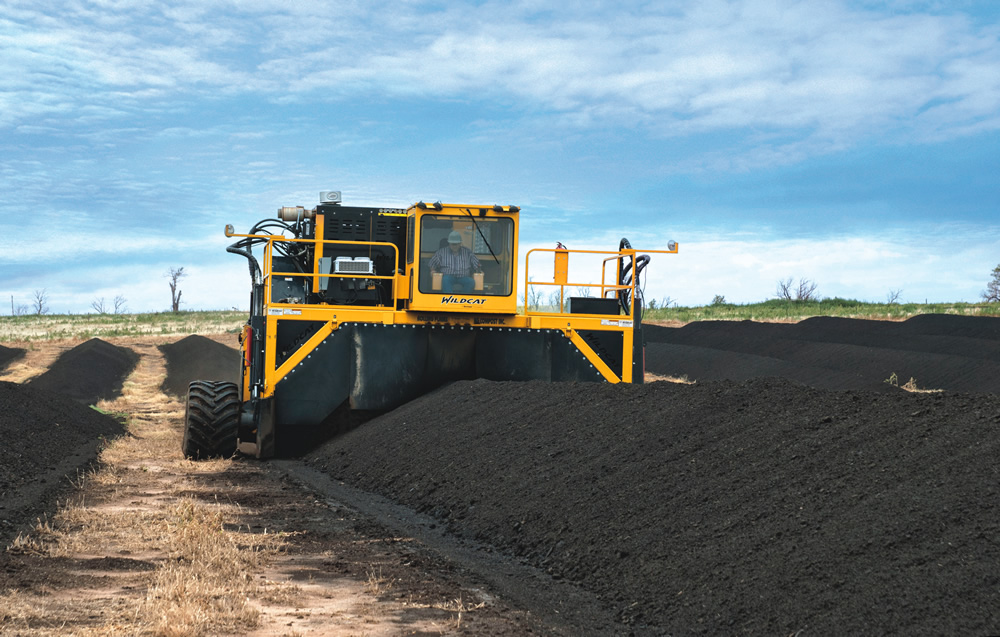
Feedlot manure is one of the organic waste streams Vaulted Deep stores deep underground at its Kansas site.
Vaulted also works with partner Advantek at Terminal Island in Los Angeles. That site stores about 20% of the city's biosolids underground.
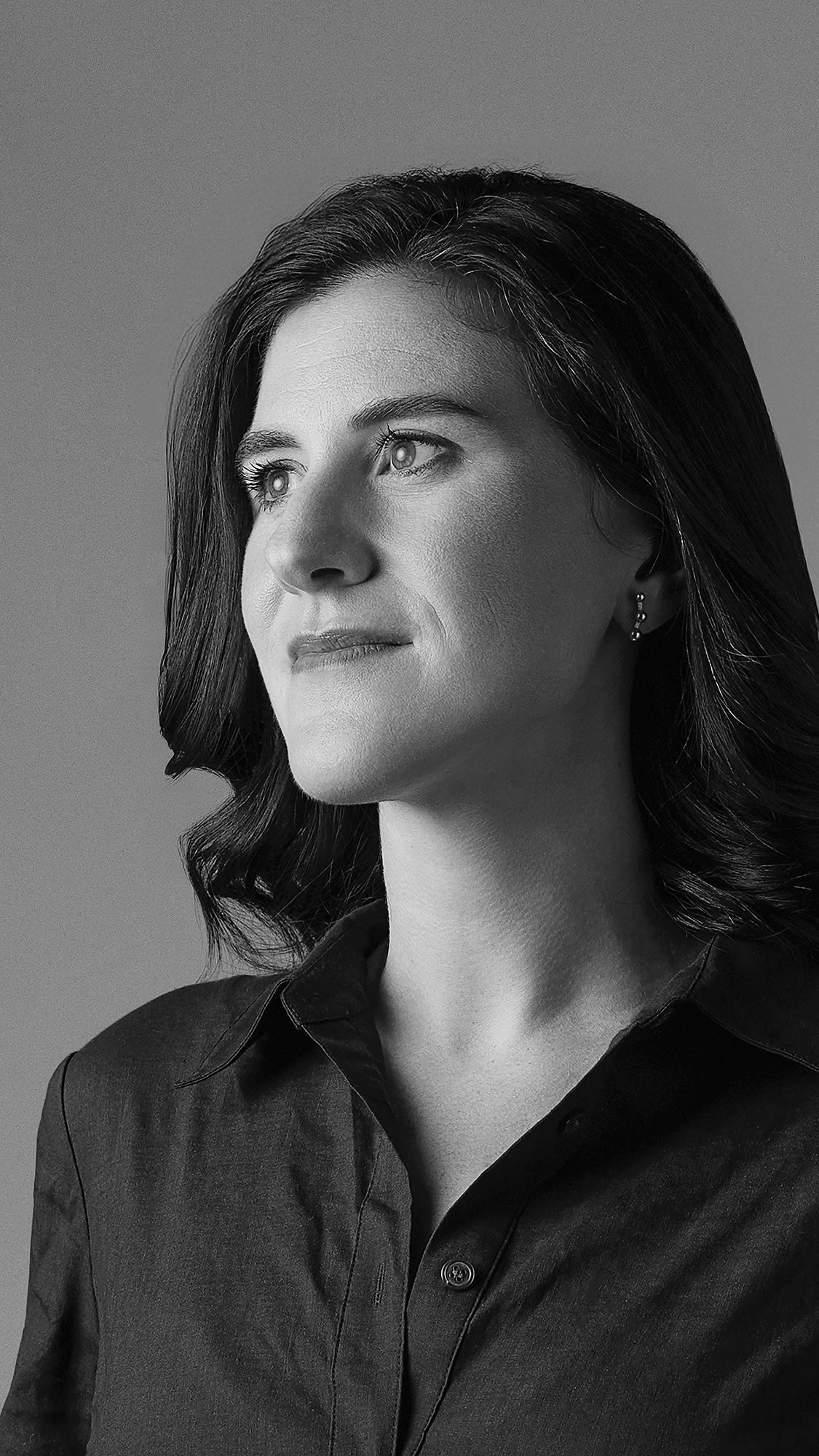
"This financing lets us take on more projects and invest in the tools that help us evaluate and develop new sites faster."
Julia Reichelstein, CEO and Co-Founder, Vaulted Deep
Part of the new capital supports Vaulted's AI-Accelerated Site Development Platform. It uses geology, regulatory, and waste-supply data to narrow site searches and speed permitting. It's one more way geologic storage is getting faster to deploy.
Where Carbon Removal Finance Goes from Here
Vaulted's $35 million facility is one company's deal, not an industry-wide shift. Still, it gives contracted, operating carbon removal businesses a working template.
Debt fits best where delivery records and steady cash flow already exist. Other developers are building that base too, such as the 120,000-tonne BECCS offtake with Wild Assets.
Frequently Asked Questions
What is a carbon removal offtake agreement?
It's a multi-year contract where buyers agree to purchase future tons of verified carbon removal at a set price. Suppliers get paid as tons are delivered, creating revenue lenders can forecast.
Did Frontier's offtakes alone secure Vaulted Deep's debt?
No. The $35 million facility was supported by both waste-service agreements and contracted carbon removal revenue, including the Frontier offtakes. Artio also helped de-risk the transaction.
Can any carbon removal startup now borrow from commercial banks?
Not yet. Commercial debt is starting to reach companies with contracted revenue and operating cash flow. Many earlier-stage developers still rely on equity, grants, and advance purchases.
Contracts first, then lenders. Vaulted Deep's September 2026 deal is a working example of that sequence in U.S. durable carbon removal.
For ongoing coverage of carbon removal, BECCS, and corporate CDR procurement, subscribe to Decarbonfuse.com.
Subscribe to the newsletter
Daily decarbonization data and news delivered to your inbox
Follow the money flow of climate, technology, and energy investments to uncover new opportunities and jobs.
Latest issues
-
Colorado Joins the 7-State CCS Permit Fast Lane
Inside This Issue ⚖️ Colorado Takes Over Class VI Permits: What Changes for CCS? 🏭 Hebei Shoulang Facility Using LanzaTech Technology Achieves World’s First ISCC EU RCF Certification for Ethanol P...
-
The US Hasn't Made Heavy Water Since 1982
Inside This Issue ⚛️ Aternium Completes FEED Studies for US Hydrogen, Heavy Water Project 🐄 Google, McKinsey Strike Brazil Carbon Removal Deal With Silvopasture Project 🔧 Cummins Selects Stargate ...
-
Why Colorado’s Koloma Has Japan’s Largest Utility Hooked
Inside This Issue ⚡ JERA Invests in Koloma to Explore Natural Hydrogen as a Future Low-Carbon Energy 🔬 New CATF Tool Provides Framework for Self-Assessment and Strengthening of Biomass Carbon Remo...
Company Announcements
-
Citi Closes $72 Million Carbon Removal-Linked Note to Support Applied Carbon Biochar Project
HIGHLIGHTS Citi structured an innovative $72 million carbon removal-linked note to provide upfront capital for Applied Carbon's biochar project, marking a first-of-its-kind "outcome bond" for ver...
-
New platform opens access to the same rigorous project evaluations trusted by the world's leading carbon removal procurement programs Today, Relae (formerly Carbon Direct) launched The Diligence C...
-
Inside BLM's 650,000-Acre Bet on Wyoming Carbon Storage
The Bureau of Land Management has offered right-of-way grants covering about 649,438 acres of federal pore space in southwest Wyoming. The September 21, 2026 offers went to Moxa Carbon Storage LLC ...
-
NEW YORK, BUSINESS WIRE, SWITCH Maritime (Switch), a leading developer of zero-emission vessels, secured a Design Basis Agreement (DBA) with the United States Coast Guard (USCG) for the SWITCH-150,...