
Microsoft Partners With Norden to Cut Scope 3 Maritime Emissions by 10K Tons
Published by Todd Bush on May 28, 2025
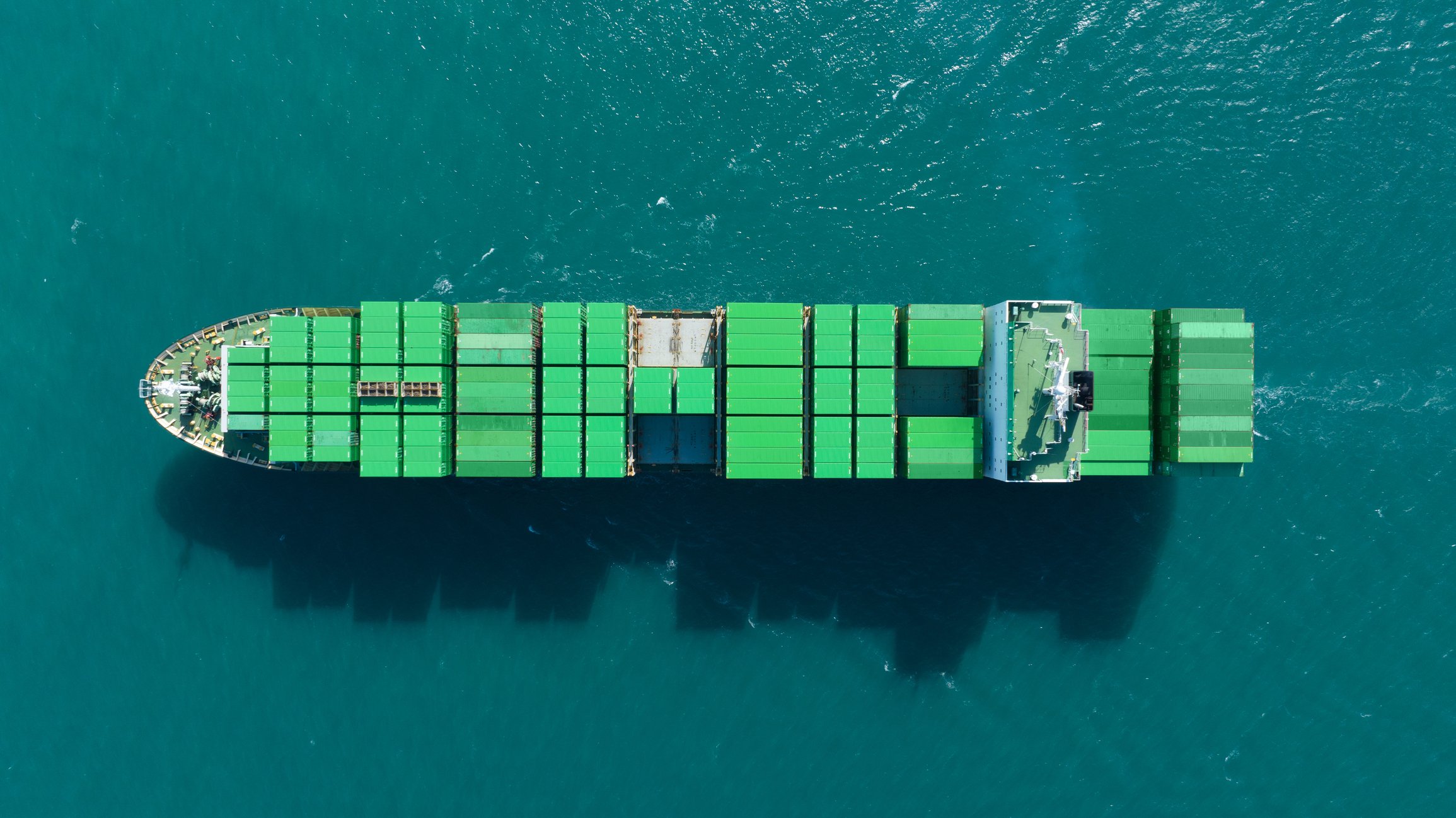
Microsoft has partnered with Danish shipping company Norden to cut its Scope 3 CO2 emissions by approximately 10,000 tons over three years.
The two companies will collaborate on a pilot project, utilizing Norden’s biofuel book and claim solution. The solution allows companies that rely on maritime transport in their supply chain to take advantage of emission reductions from low-carbon fuel usage.
Anne Jensen, COO at Norden, says, "We are pleased to work with a like-minded partner in Microsoft, sharing our ambition to scale the use of low-carbon fuels to reduce emissions in the maritime industry."
>> In Other News: How Microsoft and Sublime Systems Are Reinventing Cement for a Greener Future
"With the addition of Microsoft to our portfolio of customers, we are demonstrating that Norden can help any company that is dependent on maritime transportation in reducing its supply chain emissions in the here and now, while we, as a carrier, overcome the challenges of limited geographic availability of low-carbon fuels."
The pilot project saw Norden use certified waste-based biofuel over several voyages, offering an 80–90 percent life cycle emissions reduction compared to traditional fossil fuels. The emission reductions were then transferred to Microsoft as part of the solution. According to the partners, the project underwent a double audit and followed a framework developed by the Smart Freight Centre.
Julia Fidler, environmental sustainability – fuel and material decarbonization lead at Microsoft, said, "This project with Norden, together with our pilot with the RSB, will further develop the important registry infrastructure required to help Microsoft lower our maritime supply chain emissions in a transparent and credible way, while fostering the growth of sustainable maritime fuels."
The deal with Microsoft is Norden's second with a major hyperscaler. Last November, the company signed a similar agreement with Meta for an undisclosed quantity of carbon credits.
Last year, Microsoft unveiled a new strategy to cut its Scope 3 emissions, which grew by 30.9 percent during 2023–2024. The growth of its indirect emissions was primarily due to the construction of new data centers. To mitigate the growth, the company developed several measures, including a new requirement for select scale, high-volume suppliers to use 100 percent carbon-free electricity for Microsoft-delivered goods and services by 2030.
In addition, the company has heavily invested in carbon removal credits as a means to enhance its sustainability credentials. So far in 2025, it has signed agreements across the spectrum, including with reforestation firms, enhanced rock weathering companies, and biochar developers.
Subscribe to the newsletter
Daily decarbonization data and news delivered to your inbox
Follow the money flow of climate, technology, and energy investments to uncover new opportunities and jobs.
Latest issues
-
Quebec Wood Waste Just Became Jet Fuel
Inside This Issue 🌲 ARC Bio Tests a Refinery Shortcut to Forest-Based SAF 💧 Scientists Just Found a New Way to Make Hydrogen from Water 🤝 How Channel Partnerships Are Helping More Organizations Ta...
-
How Vaulted Deep Turned Offtakes Into $35M Debt
Inside This Issue 🏦 How Carbon Removal Offtakes Are Starting to Unlock Commercial Debt 🌉 California Opens the Door to a Three-Way Carbon Market 🧪 New Material Developed at Oregon State Provides Bo...
-
Canada Wants Foreign Buyers for Its Carbon Removals
Inside This Issue 🍁 Canada Explores Article 6 Path to Global Carbon Buyers 🌲 ARC Bio Demonstrates Canadian Forest Residue Pathway to Sustainable Aviation Fuel 🌾 Business, Forestry and Agriculture ...
Company Announcements
-
MEXICO CITY--BUSINESS WIRE--In the framework of today's World Habitat Day, here is an invitation to reflect on building more sustainable communities, where Mexico is moving firmly toward the energy...
-
Vortex Energy Commissions Hydrogen and Helium Study at Robinsons River Salt Project
Desktop Study Will Use Existing Geological, Geophysical and Well Data to Assess Natural Hydrogen and Helium Potential VANCOUVER, British Columbia, Oct. 05, 2026 (GLOBE NEWSWIRE) -- Vortex Energy C...
-
How Channel Partnerships Are Helping More Organizations Take Action
Organizations of all sizes are looking for credible ways to address their carbon emissions. But to help high-integrity Carbon Dioxide Removal (CDR) solutions reach small-to-medium-sized organizatio...
-
Uniper signs capacity reservation agreement for future SAF supply from Syzygy Plasmonics' NovaSAF™ platform This agreement reflects growing market momentum in biogas to SAF technology and provides...