
Molten Industries commissioned a plant in Oakland, California on November 18, 2026 that makes battery-grade graphite from natural gas. The company says it is the first facility to do so.
The demonstration plant is built to produce 300 metric tons of graphite anode material per year. A single modular reactor does the work. Hydrogen is the co-product.
Key Facts
- Oakland, California demonstration plant commissioned on November 18, 2026
- 300 metric tons per year of graphite anode material from one modular reactor
- Reported yield above 95% from natural gas to graphite
- Molten says feedstock costs 4x less and electricity use is 3x lower than conventional synthetic graphite
- Molten says the process needs no graphitization furnace
- Hydrogen is the co-product
- MG Series graphite sampling begins December 1, 2026
>> In Other News: COP31 Talks Break Down as EU Rejects Deal Without Reference to Fossil Fuels
How Does Molten Turn Natural Gas Into Graphite?
Molten makes graphite through methane pyrolysis, which splits methane into solid carbon and hydrogen. The reaction takes place without oxygen, so nothing burns.
Molten describes its heating method as working like a toaster. The company reports a yield above 95% from natural gas to graphite. Kevin Bush and Caleb Boyd, both Stanford materials scientists, founded Molten in 2021.
Molten makes two cost claims against conventional synthetic graphite. It says its feedstock costs four times less. It says its electricity use is three times lower.
The company also says it needs no graphitization furnace. Molten announced a $25 million Series A in June 2024 to onshore battery supply chains.
Molten Industries co-founders Kevin Bush and Caleb Boyd explain their methane pyrolysis process that converts natural gas into battery-grade graphite and clean hydrogen at the company’s Oakland facility.
Molten says its process has zero process emissions. Zero process emissions is not the same as zero lifecycle emissions. Natural gas supply and the electricity source still carry their own footprints. The full announcement is covered in our report on the Oakland commissioning.
Why Does Battery Graphite Matter for the United States?
Molten's release says the United States remains dependent on foreign sources for battery-grade graphite. It cites the 2025 Annual Report to Congress from the U.S.-China Economic and Security Review Commission. That report puts China's share of global battery graphite processing at 96%.
The 96% figure covers processing. Mining and anode production are separate supply chain stages. Molten's plant makes anode material directly from natural gas.
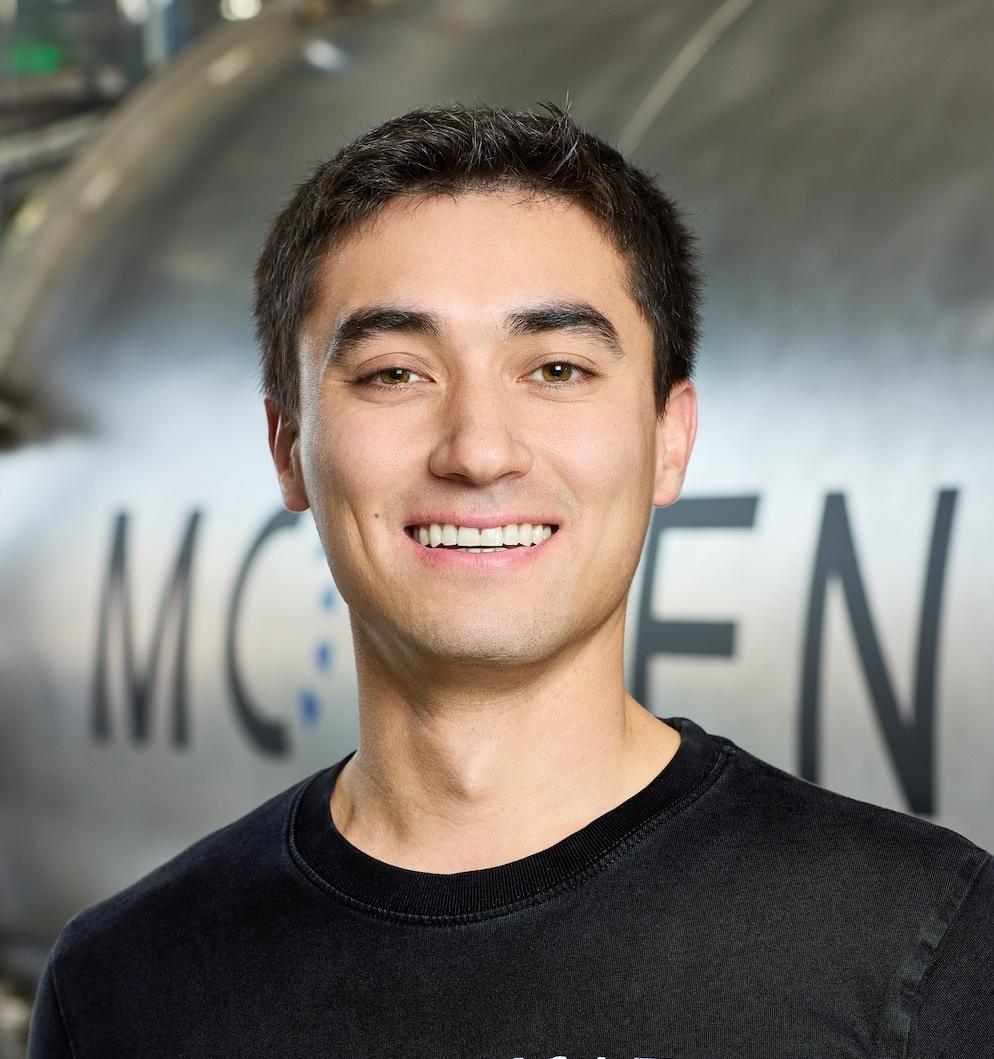
"Splitting natural gas into carbon and hydrogen was first patented in 1889, but nobody could figure out how to create high-quality graphite."
Kevin Bush
Bush is Molten's CEO. He points to a long gap between the chemistry and a usable product. Graphite quality was the hard part.

Syrah Resources' Vidalia Active Anode Material Facility, Louisiana
How Did the Graphite Trade Case Play Out?
The U.S. Department of Commerce issued final antidumping and countervailing duty determinations on Chinese active anode material on February 11, 2026. The U.S. International Trade Commission then voted on March 12, 2026 that the imports caused no injury to a U.S. industry. As a result, no antidumping or countervailing duty orders took effect.
Molten's plant is a demonstration volume, not a fix for import reliance. At 300 metric tons per year, it is a first step toward larger plants.
Molten's website lists a first gigafactory above 20,000 metric tons per year as the next stage. The company's stated 2030 target is more than 1 million metric tons per year.
How Does Molten Compare With Monolith?
Molten and Monolith both split methane into carbon and hydrogen. They use different reactor technology and target different solid products. Molten uses resistive heating. Monolith uses a plasma-based process.
Monolith runs Olive Creek 1 in Hallam, Nebraska. The company says the plant makes carbon black for tires and plastic auto parts. It calls the plant the world's first commercial-scale methane pyrolysis facility.
Carbon black from methane pyrolysis has reached tires. Goodyear announced the industry's first tire to use carbon black produced via methane pyrolysis.
PyroGenesis, a Canadian plasma technology company, is working on a plasma route. The company converts plasma gas to battery-grade carbon black and hydrogen.
| Category | Molten Industries | Monolith |
|---|---|---|
| Site | Oakland, California | Hallam, Nebraska (Olive Creek 1) |
| Heating method | Resistive heating | Plasma |
| Main solid product | Battery-grade graphite | Carbon black |
| Solid product end use | Lithium-ion battery anodes | Tires and plastic auto parts (company-reported) |
| Status | Demonstration plant commissioned November 18, 2026 | Commercial operations at Olive Creek 1 (company-reported) |
What Can Molten's Hydrogen Co-Product Do?
Molten's process makes hydrogen alongside graphite. The company lists ammonia fertilizer, refined petroleum products, methanol, semiconductors, and steel as hydrogen end uses. Those are target markets, and the release does not name hydrogen buyers.
Industrial hydrogen demand is taking shape in steel. Utility Global and Tata Steel plan an H2Gen project in India. It targets about 10 tonnes of hydrogen per day at Kalinganagar, Odisha.
Waste is another hydrogen feedstock in development. PyroGenesis was selected for a waste-to-hydrogen project for NTPC, India's largest power utility. The project targets about 1 tonne of hydrogen per day from municipal solid waste.
Methane pyrolysis is also drawing large industrial partners. ExxonMobil and BASF signed a joint development agreement on methane pyrolysis in November 2025. It covers a demonstration plant at Baytown, Texas.
IDTechEx, a technology market research firm, published a report on methane pyrolysis and turquoise hydrogen production.
Sampling Begins December 1 and Scale Comes Next
Molten begins MG Series graphite sampling on December 1, 2026. Samples can be requested at [email protected]. Specifications are listed on the company's products page.
Investors include Breakthrough Energy Ventures, Fifty Years, J4 Ventures, Moai Capital, Sozo Ventures, USV, and UVC Partners. Public support has come from ARPA-E, the U.S. Department of Energy, and the National Science Foundation.
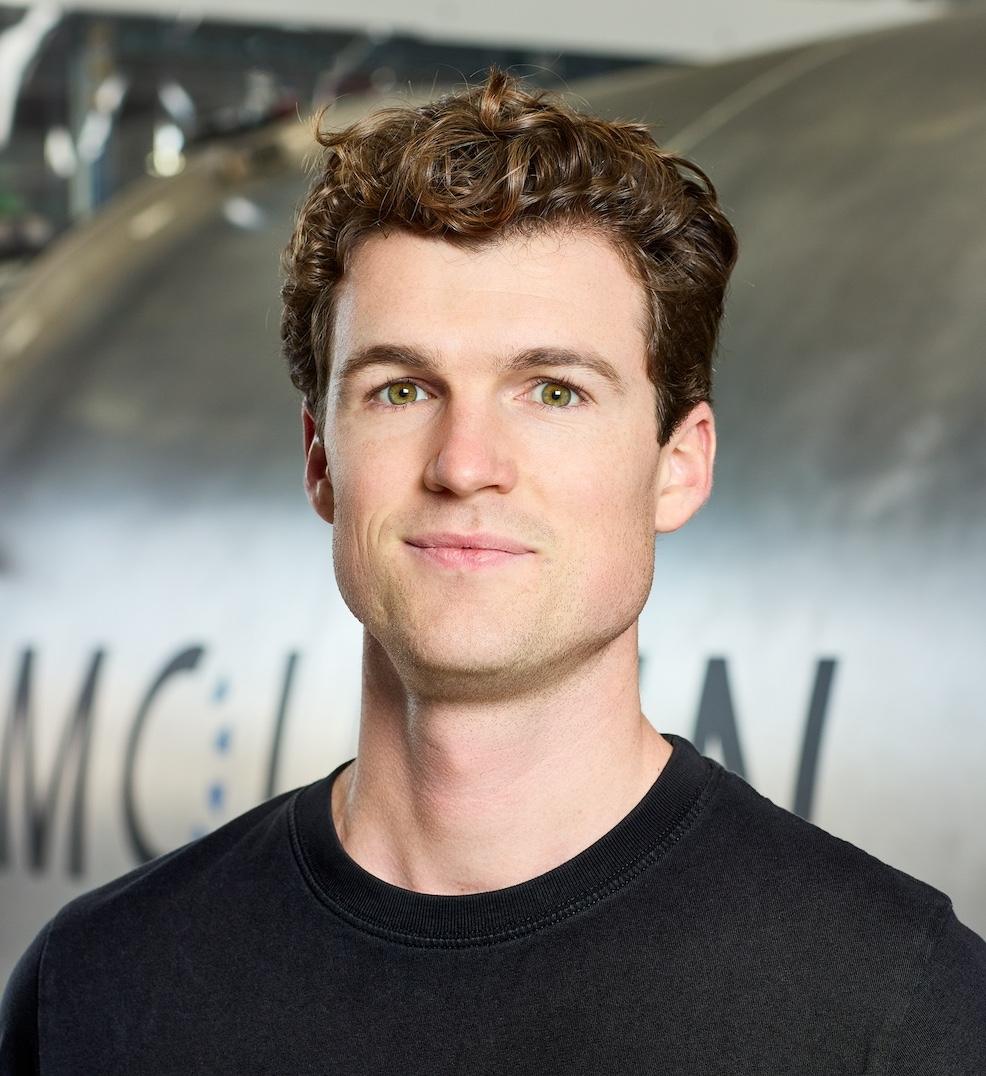
"Going end to end from pipeline natural gas to battery material in a single facility at scale is modern alchemy."
Caleb Boyd
Boyd is Molten's CTO. He calls the Oakland plant the building block for larger facilities. The plant is designed to produce 300 metric tons of graphite per year, with a reported yield above 95%.
Frequently Asked Questions
What is methane pyrolysis?
Methane pyrolysis heats natural gas without oxygen. It splits methane into solid carbon and hydrogen. No combustion takes place.
How much graphite can Molten's Oakland plant produce?
The plant is designed for 300 metric tons per year of graphite anode material. Molten's website lists a first gigafactory above 20,000 metric tons per year as the next stage.
When can customers get Molten graphite samples?
MG Series graphite sampling begins on December 1, 2026.
For ongoing coverage of carbon removal, BECCS, and corporate CDR procurement, subscribe to Decarbonfuse.com.
Subscribe to the newsletter
Daily decarbonization data and news delivered to your inbox
Follow the money flow of climate, technology, and energy investments to uncover new opportunities and jobs.
Latest issues
-
Microsoft-Backed Saskatchewan Project Makes Canada's Carbon Removal Cut
Inside This Issue 🍁 North Star Carbon Removal Project Selected by Government of Canada for Landmark Carbon Removal Procurement Program 🚢 Trafigura Ship Fuel Venture Isn't Rushing Into Alternative ...
-
Molten’s Oakland Plant Takes Aim at China’s Graphite
Inside This Issue 🔋 Molten Industries Commissions World’s First Plant to Produce Battery-Grade Graphite from Natural Gas 🪨 European Commission Presents Draft Rules for Certifying Enhanced Rock Wea...
-
Can GE Vernova’s Turbine Really Run 100% Hydrogen?
Inside This Issue ⚙️ GE Vernova’s Greenville Lab Moves Turbines Closer to 100% H2 🚗 Geely Holding Announces Evsa’s Global Launch at COP31 🚢 Ethanol Blends Run Successfully in Pilot Marine Engine T...
Company Announcements
-
COP31 Talks Break Down as EU Rejects Deal Without Reference to Fossil Fuels
United Nations climate talks fell into disarray as the European Union and others rejected a final draft deal put forward by COP31 presidents Turkiye and Australia, saying it was too weak to advance...
-
Combining Storegga's and EnEarth's expertise to create an integrated European CO2 transport and storage platform with over 200Mt of estimated gross storage capacity, direct injection and maritime t...
-
The three plants were awarded to RWE by the German Government on 3rd November. RWE has since taken the Final Investment Decision (FID), and TR has received already the Notice to Proceed of the firs...
-
thyssenkrupp Steel Launches Hydrogen Tender to Supply Its Direct Reduction Plant in Duisburg
thyssenkrupp Steel helps drive the development of the German and European hydrogen economy Revised grant approval establishes the framework for the phased introduction of hydrogen First procuremen...