
Plug Power, a frontrunner in the green hydrogen revolution, is taking a strategic leap forward by leveraging the recently enacted Inflation Reduction Act's Section 45V Credit (PTC). So how does the tax credit directly benefit Plug Power? How does it reduce production costs and propel the company towards achieving positive fuel margins – a significant milestone in the clean hydrogen industry?
RELATED: Plug to Receive Federal Clean Hydrogen Production Tax Credit at Georgia Hydrogen Facility
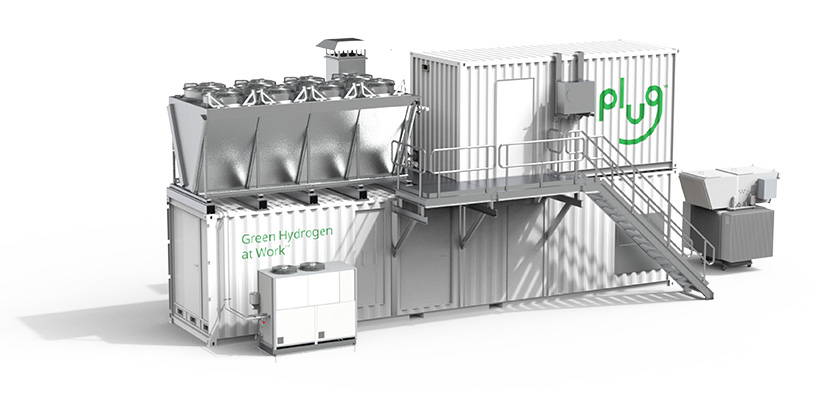
Plug Power: A Green Hydrogen Powerhouse
Founded with the mission of creating a clean and sustainable future, Plug Power has become a global leader in comprehensive hydrogen solutions. Their recent accomplishment – the commercial launch of a state-of-the-art electrolytic hydrogen facility in Georgia – exemplifies their commitment to innovation. This facility, the largest of its kind in the US, represents a significant step towards building a robust green hydrogen ecosystem.
The Inflation Reduction Act: A Game Changer for Clean Hydrogen
The Inflation Reduction Act (IRA) stands as a landmark achievement in the fight against climate change. Recognizing the crucial role clean hydrogen plays in decarbonizing various sectors, the act established the PTC. This credit offers a substantial financial incentive of up to $3 per kilogram of clean hydrogen produced. As Plug Power CEO Andy Marsh aptly stated, "Government support for clean hydrogen is critical to achieving global mid-century decarbonization goals."
>> In Other News: PRI Announces Operation Phase of World's Largest Carbon Capture Pilot
Financial Boost for Plug Power
The PTC translates to a significant cost reduction for Plug Power's hydrogen production. This translates to a "meaningful reduction" in fuel costs, as highlighted by the company. This financial benefit is a game-changer, enabling Plug Power to achieve a break-even fuel margin by the end of 2024 and pave the way for positive margins in the years to come.
Georgia Facility: A Model for Clean Hydrogen Production
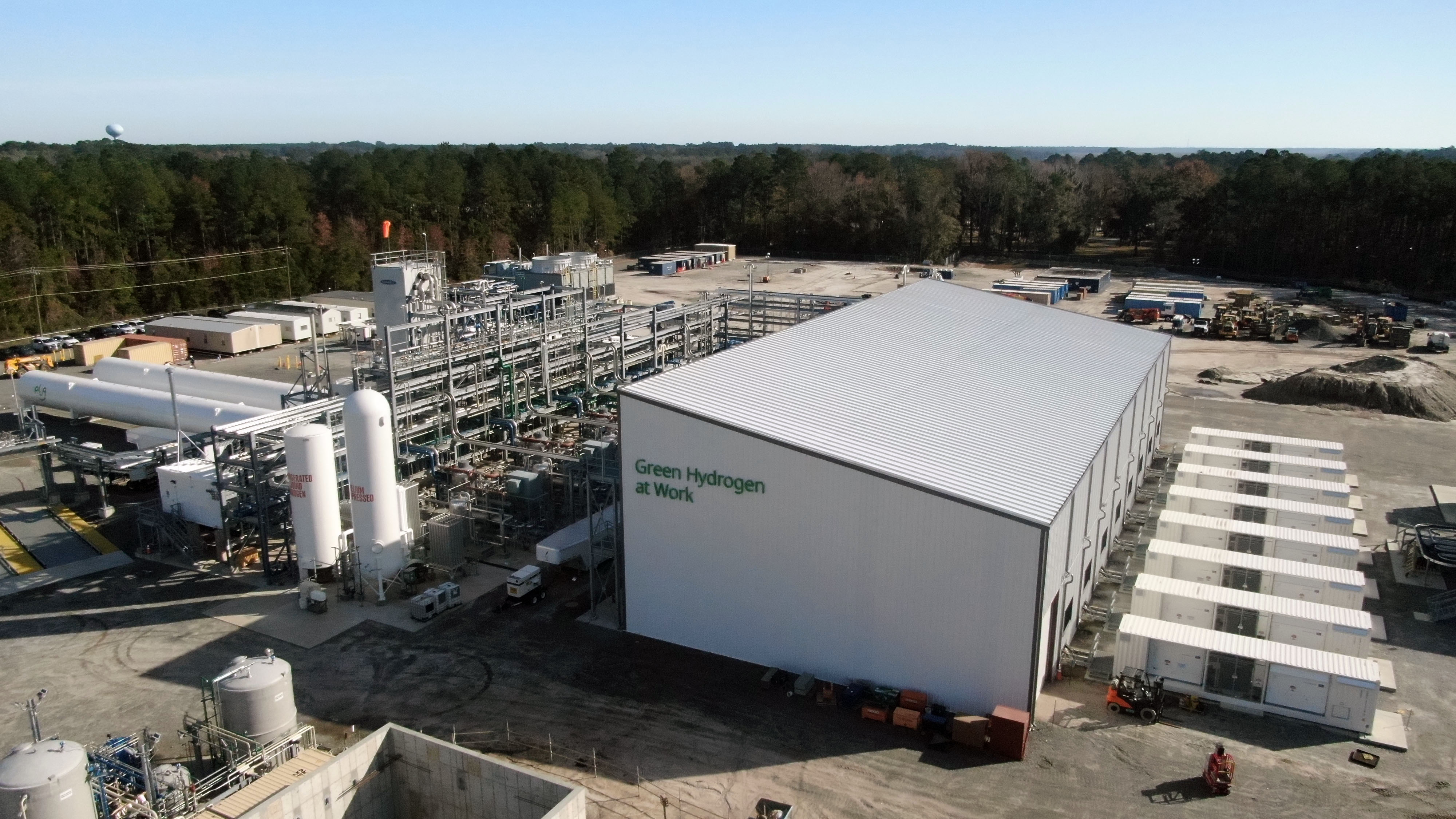
Plug Power's Georgia facility is a marvel of clean technology. This 15-ton-per-day (TPD) plant, the largest electrolytic liquid hydrogen production facility in the US, utilizes cutting-edge technology to produce clean hydrogen from water. This not only reduces production costs but also eliminates harmful emissions associated with traditional hydrogen production methods.
A Brighter Future for the Hydrogen Industry
The hydrogen industry is on the cusp of a major breakthrough, and government incentives like the PTC play a pivotal role. By lowering production costs and accelerating industry-wide adoption, the PTC paves the way for a more sustainable future. As Plug Power expands its green hydrogen network across the US, this domino effect will undoubtedly lead to wider adoption and further advancements in clean hydrogen technology.
Conclusion: Investing in a Sustainable Future
The strategic utilization of the Section 45V Credit by Plug Power exemplifies the positive impact government incentives can have on clean energy initiatives. Plug Power's success story is a testament to the viability and potential of the green hydrogen industry. As we move towards a decarbonized future, continued investment and support for clean hydrogen technologies are crucial. Let's embrace the potential of clean hydrogen and join Plug Power in building a greener tomorrow.
Subscribe to the newsletter
Daily decarbonization data and news delivered to your inbox
Follow the money flow of climate, technology, and energy investments to uncover new opportunities and jobs.
Latest issues
-
Why Is Wyoming Giving 650,000 Acres to Carbon Storage?
Inside This Issue 🪨 Inside Blm's 650,000-Acre Bet on Wyoming Carbon Storage 🏭 California Advances Carbon Capture and Removal Regulations Under SB 905 ⚡ Why a Japanese Power Giant Is Betting on Den...
-
Colorado Joins the 7-State CCS Permit Fast Lane
Inside This Issue ⚖️ Colorado Takes Over Class VI Permits: What Changes for CCS? 🏭 Hebei Shoulang Facility Using LanzaTech Technology Achieves World’s First ISCC EU RCF Certification for Ethanol P...
-
The US Hasn't Made Heavy Water Since 1982
Inside This Issue ⚛️ Aternium Completes FEED Studies for US Hydrogen, Heavy Water Project 🐄 Google, McKinsey Strike Brazil Carbon Removal Deal With Silvopasture Project 🔧 Cummins Selects Stargate ...
Company Announcements
-
Citi Closes $72 Million Carbon Removal-Linked Note to Support Applied Carbon Biochar Project
HIGHLIGHTS Citi structured an innovative $72 million carbon removal-linked note to provide upfront capital for Applied Carbon's biochar project, marking a first-of-its-kind "outcome bond" for ver...
-
New platform opens access to the same rigorous project evaluations trusted by the world's leading carbon removal procurement programs Today, Relae (formerly Carbon Direct) launched The Diligence C...
-
Inside BLM's 650,000-Acre Bet on Wyoming Carbon Storage
The Bureau of Land Management has offered right-of-way grants covering about 649,438 acres of federal pore space in southwest Wyoming. The September 21, 2026 offers went to Moxa Carbon Storage LLC ...
-
NEW YORK, BUSINESS WIRE, SWITCH Maritime (Switch), a leading developer of zero-emission vessels, secured a Design Basis Agreement (DBA) with the United States Coast Guard (USCG) for the SWITCH-150,...