
Plug's new GenEco Scale electrolyzer plant has its first customer. Arcadia eFuels selected the standardized 20 MW blocks for the 280 MW hydrogen plant at Project ARC, a planned e-SAF facility in Gregory, Texas. Plug has finished the front-end engineering design (FEED). A final investment decision (FID) has not been announced.
Plug launched GenEco Scale on November 17, 2026. The offering packages Plug's electrolyzers and supporting systems into factory-built units. The goal is less custom engineering at the job site, which Plug says should lower installed costs and speed up construction.
The Arcadia deal gives the new product a real-world proving ground. It also tests whether a factory-built design can shrink the engineering and site work that slows large hydrogen projects.
Key Facts
- Plug launched GenEco Scale on November 17, 2026, with Arcadia eFuels as its first customer.
- The plant uses standard 20 MW blocks for projects of about 100 MW and above.
- Footprint target: under one acre per 100 MW of electrolyzer capacity.
- Project ARC: a 280 MW hydrogen plant, or 14 blocks, in Gregory, Texas.
- Design output: about 23.2 million gallons of e-SAF per year.
- Plug has completed the technical evaluation and FEED. No FID date has been announced.
- The FAA awarded a $14.6 million FAST grant for ARC's FEED in August 2024.
- Plug has shipped more than 320 MW of PEM electrolyzer capacity worldwide.
>> In Other News: Ammonia-to-Power System Approaches Deployment in Pohang
What Is Plug's GenEco Scale?
GenEco Scale is an integrated electrolyzer plant built from standard 20 MW blocks. Plug designed it for hydrogen projects of about 100 MW and above.
Each block pairs Plug Power's proton exchange membrane (PEM) electrolyzers with integrated balance-of-plant systems. Plug is a New York-based hydrogen company that makes electrolyzers and fuel cells. Decarbonfuse covered the GenEco Scale launch announcement when it was released.
Plug lists these core design features:
- Standard 20 MW blocks for projects of roughly 100 MW and up
- Outdoor-ready layout that reduces the need for extra process buildings
- Footprint target of under one acre per 100 MW, reached by stacking process skids and cooling vertically
- Factory-built, factory-tested modules
- Engineering to oil-and-gas process-safety standards, with lower on-site hydrogen inventory
- Plug as the single responsible equipment maker for the whole integrated plant

A Plug PEM electrolyzer system, the core technology that GenEco Scale packages into standardized 20 MW blocks. Image: Plug Power media kit.
Large electrolyzer projects often ask EPC contractors to engineer separate equipment packages and join them on site. GenEco Scale moves much of that integration work into Plug's factory. Plug has not published quantified capital cost savings for the design.
The approach builds on field experience. Plug had shipped more than 320 MW of PEM electrolyzer capacity worldwide as of November 2026, according to the company. Recent work includes all ten 10 MW arrays at Galp's Sines refinery in Portugal.
Standardized electrolyzer systems are spreading across the sector, as gasworld noted in its launch coverage. Plug's version bundles the balance of plant under one accountable supplier.
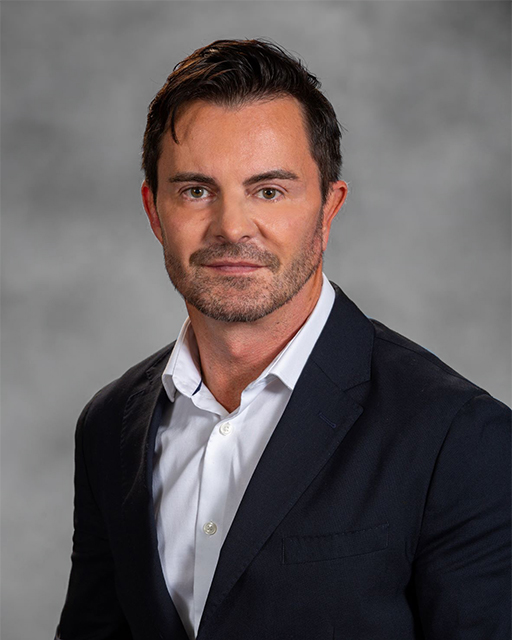
"Our customers aren't just looking for more electrolyzer capacity."
José Luis Crespo, President and CEO, Plug
Where Is Project ARC and How Far Along Is It?
Project ARC is a planned e-SAF plant in Gregory, Texas, built around a 280 MW hydrogen plant. Its hydrogen section has finished FEED, but the project has not reached FID.
Arcadia eFuels is an Austin-based developer of power-to-liquid fuels. Its process combines renewable hydrogen with captured carbon dioxide to make drop-in jet fuel.
The 280 MW plant equals 14 GenEco Scale blocks of 20 MW each. ARC is designed to produce about 23.2 million gallons of electro-sustainable aviation fuel (e-SAF) per year, according to Plug and Arcadia.
Plug has completed the technical evaluation and FEED for the hydrogen plant. The Federal Aviation Administration funded ARC's FEED through a $14.6 million FAST grant announced in August 2024.
The FAA describes ARC as a new SAF plant projected to produce 23.2 million gallons a year starting in 2028. That 2028 date is the FAA's projection, not a confirmed start date.

"When developing a project of this scale, it's not just about selecting the right technology. It's about having a clear, cost-effective path from engineering through construction."
Amy Hebert, CEO, Arcadia eFuels
Amy Hebert also pointed to a lighter engineering load for Arcadia's EPC partners. She described GenEco Scale as a way to move forward with greater efficiency and confidence.
Arcadia also has a framework deal with ATOBA Energy, signed in October 2025. It covers up to 150,000 tonnes of e-SAF from each Arcadia project over 10 years, described as a step toward firm offtake.

Project ARC's proposed 280 MW hydrogen plant in Gregory, Texas, will use Plug Power's GenEco Scale technology to support Arcadia eFuels' planned production of approximately 23.2 million gallons of e-SAF annually. The project has completed Plug's hydrogen plant FEED study, while a final investment decision has not been publicly announced. Illustration: Decarbonfuse. Copy
How Does ARC Compare With Arcadia's Danish Project?
Project ENDOR in Denmark is further along the commercial path than ARC. It has a signed Plug supply agreement and a binding offtake contract.
In September 2026, Plug signed a 280 MW GenEco supply agreement for ENDOR at the Port of Vordingborg. Plug also became preferred electrolyzer supplier for more than 1 GW across four more Arcadia projects in Europe and the Americas.
That same month, Uniper, the German energy company, agreed to buy 40,000 tonnes of e-SAF per year from ENDOR for more than 10 years. Deliveries are expected in the early 2030s, subject to agreed conditions and plant commissioning.
European demand rules support that contract. ReFuelEU Aviation requires e-SAF to make up 1.2% of fuel supplied at EU airports from 2030, rising to 5% by 2035, Argus reported.
| Item | Project ARC (Texas) | Project ENDOR (Denmark) |
|---|---|---|
| Location | Gregory, Texas | Port of Vordingborg, Denmark |
| Electrolyzer capacity | 280 MW hydrogen plant (14 GenEco Scale blocks) | 280 MW |
| Plug agreement | GenEco Scale selected, technical evaluation and FEED completed (November 2026) | 280 MW GenEco supply agreement (September 2026) |
| Designed fuel output | About 23.2 million gallons of e-SAF per year | About 80,000 tonnes of eFuels per year, including e-SAF (Arcadia and Hitachi Energy, 2025) |
| Announced offtake | ATOBA Energy agreement to procure up to 150,000 tonnes of e-SAF from each Arcadia project over 10 years (October 2025) | Uniper: 40,000 tonnes of e-SAF per year for more than 10 years |
| Investment status | No FID date announced | On the path to FID, per Arcadia (September 2026) |
Both projects use the same 280 MW electrolyzer size. ENDOR has signed supply and offtake contracts. ARC has a completed FEED for its hydrogen plant.

A Jet A refueller at Vancouver International Airport, part of the existing airport fuel system that drop-in e-SAF is designed to use.
Photo: Lommer, Wikimedia Commons, CC BY-SA 3.0
How Does ARC Fit Into North American e-SAF and Hydrogen?
Project ARC joins a growing group of Texas power-to-liquid projects. Infinium's Project Roadrunner near Pecos, Texas, was expected to produce 23,000 tonnes per year of eSAF and other eFuels from 2027, according to Infinium in April 2026.
Infinium is also taking its eSAF technology to Southeast Asia through a licensing deal with eFuels SEA.
Plug's North American base keeps growing too. Its 5 MW GenEco unit is now operational at Avina's Vernon, California plant. The unit adds 2.1 metric tons per day of hydrogen capacity as of November 2026, according to Plug.
Large U.S. electrolysis is moving from plans to steel. The ACES Delta project hit its 220 MW milestone in Utah, with all 40 electrolyzers installed.
Hydrogen power demand is scaling as well. PowerCell won a SEK 440 million order last week for a 20 MW-rated hydrogen fuel cell plant in the southern United States.
For Plug, ARC serves as a reference design for the U.S. market. Plug says GenEco Scale is commercially available now for developers pursuing utility-scale hydrogen.
Plug Power CEO José Luis Crespo discusses the company’s strategic partnership with Arcadia eFuels, including 280 MW of GenEco electrolyzer technology for e-SAF production starting with Project ENDOR in Denmark and extending to additional projects in the Americas and Europe.
From FEED to Final Investment: What Comes Next for Project ARC?
A finished FEED gives ARC a defined design and cost basis. It does not commit capital to construction.
Arcadia has not announced a planned FID date for ARC. Plug lists the project's financing, permitting, construction and timing among its forward-looking risks.
Recent deals show how that final step can close. ACME completed FID on its 760,000-tonne green ammonia project in Odisha, India, in November 2026. Nordic Ren-Gas reached FID on its Tampere e-methane plant, an investment of more than €300 million.
Three signals will show ARC moving toward construction:
- An announced FID date or financing package
- A named EPC contractor for the full plant
- Firm offtake contracts for ARC's roughly 23.2 million gallons of yearly e-SAF
Frequently Asked Questions
What is Project ARC?
Project ARC is Arcadia eFuels' planned e-SAF plant in Gregory, Texas. It uses a 280 MW hydrogen plant built from Plug's GenEco Scale blocks and is designed for about 23.2 million gallons of e-SAF per year.
When will Project ARC start producing e-SAF?
The FAA projects production starting in 2028. Arcadia has not announced an FID date, so the actual start depends on that investment decision.
How is GenEco Scale different from a standard electrolyzer order?
GenEco Scale delivers the electrolyzers and supporting plant systems as factory-built 20 MW blocks. Plug acts as the single responsible equipment maker and targets a footprint under one acre per 100 MW.
Plug's standardized blocks now have a real address in Gregory, Texas. The next milestone to watch is Arcadia's investment decision on ARC.
For ongoing coverage of carbon removal, BECCS, and corporate CDR procurement, subscribe to Decarbonfuse.com.
Subscribe to the newsletter
Daily decarbonization data and news delivered to your inbox
Follow the money flow of climate, technology, and energy investments to uncover new opportunities and jobs.
Latest issues
-
Quebec Holds Five of Ottawa's 19 Removal Offers
Inside This Issue 🍁 Canada Names 19 Carbon Removal Suppliers for Federal Buyers 🏭 Next Hydrogen and H2 Manufacturing Announce Strategic Collaboration to Deliver Integrated Hydrogen Production Solu...
-
Molten's 300-Ton Bet Against China's Graphite Grip
Inside This Issue 🔋 Molten Industries Turns Natural Gas Into Graphite in Oakland 🌊 COOEC Completes Onshore Construction of China's First Offshore CCUS Project at Dongfang 1-1 Gas Field ⚡ Técnicas ...
-
Microsoft-Backed Saskatchewan Project Makes Canada's Carbon Removal Cut
Inside This Issue 🍁 North Star Carbon Removal Project Selected by Government of Canada for Landmark Carbon Removal Procurement Program 🚢 Trafigura Ship Fuel Venture Isn't Rushing Into Alternative ...
Company Announcements
-
Ammonia-to-Power System Approaches Deployment in Pohang
Successful Amogy and HCE Integrated Power Generation System on Track for Operations in South Korea In a test at its manufacturing facility in Houston, Amogy’s ammonia to power AMMDrive™ system suc...
-
MAmmoSS® supply forms part of the world's first ammonia fuel supply chain project involving seven companies and contributes to decarbonization of the maritime industry Mitsubishi Shipbuilding prov...
-
Leading the World on Carbon Capture and Storage
Alberta is updating its carbon capture incentive program to more closely match federal programs and support major projects and new oil production. The changes to the Alberta Carbon Capture Incenti...
-
Agreement connects engineered biochar pelletization with a planned regional supply network supporting Verde’s long-term commercialization strategy and collaboration with Ergon Asphalt & Emulsio...