
American Airlines flew the first U.S. commercial passenger flight on electro sustainable aviation fuel on August 6, 2026, from Corpus Christi to Dallas Fort Worth. Infinium supplied the eSAF from its Pathfinder facility, marking the first delivery of non-biobased SAF into a commercial U.S. airport fuel system.
>> In Other News: New Hydrogen Engine Achieves Diesel-Level Performance for Medium-Duty Vehicles
American Airlines And Infinium Complete First eSAF Passenger Flight
American Airlines operated the milestone flight on August 6, 2026. The aircraft departed Corpus Christi International Airport and landed at Dallas Fort Worth International Airport using eSAF supplied by Infinium.
The eSAF batch was blended with conventional jet fuel before the flight. Engineers tested the blend against the ASTM International specification for Jet A.
That certification let the fuel enter today's aircraft engines and airport equipment without modification. It moved through Corpus Christi International Airport's shared jet fuel tanks like any other batch of Jet A. The batch was then allocated to the American flight bound for Dallas Fort Worth.
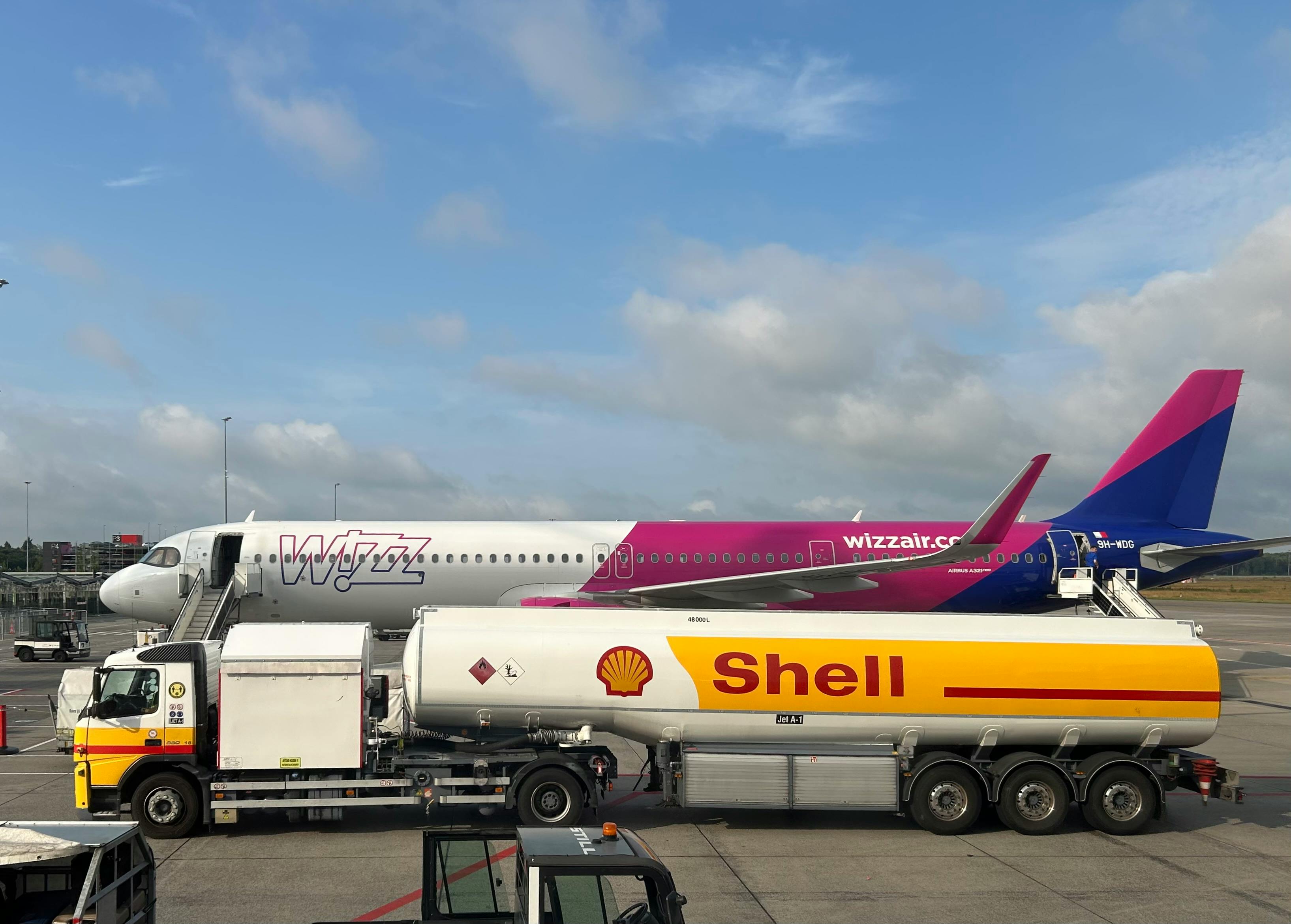
The Corpus Christi to Dallas Fort Worth flight moved through the airport's shared jet fuel tanks, the same system used for conventional Jet A.
What Makes eSAF Different From Traditional Sustainable Aviation Fuel?
eSAF is a power-to-liquid fuel made from captured carbon dioxide and renewable electricity. Traditional SAF instead comes from biological feedstocks like used cooking oil, animal fats, or crop residue.
Infinium combines waste CO2 with hydrogen produced using renewable power to make eSAF. The result is a synthetic fuel chemically similar to petroleum jet fuel that does not depend on farmland or waste oil supply.
This distinction matters for scale. Biobased SAF production is limited by how much used cooking oil, tallow, or crop residue is available each year. Electrofuels draw instead on carbon dioxide and electricity, resources that expand as carbon capture investment and renewable power capacity grow.
Key Facts
- First U.S. commercial passenger flight fueled with non-biobased eSAF, flown August 6, 2026, from Corpus Christi to Dallas Fort Worth (American Airlines and Infinium, August 2026)
- eSAF produced at Infinium's Pathfinder facility in Corpus Christi, Texas, the world's first commercial-scale power-to-liquids eFuels plant, operating since 2023 (American Airlines and Infinium, August 2026)
- Infinium's eSAF can cut lifecycle greenhouse gas emissions by more than 90 percent compared to conventional jet fuel (American Airlines and Infinium, August 2026)
- Project Roadrunner, Infinium's second U.S. facility, is expected to produce more than 5 million gallons of eSAF annually once operational in 2027 (American Airlines and Infinium, August 2026)
- Aviation worldwide consumes almost 100 billion gallons of jet fuel a year, with SAF meeting less than 1 percent of that demand (American Airlines and Infinium, August 2026)
Infinium's Pathfinder Facility Powers The Breakthrough
The eSAF came from Infinium's Pathfinder plant in Corpus Christi, Texas. Pathfinder has run continuously since 2023 as the world's first commercial-scale power-to-liquids eFuels facility.
Infinium built and commissioned the site to produce eSAF, eDiesel, and eNaphtha using on-site electrolyzers and patented catalyst technology. The fuels carry ISCC PLUS certification, a credential confirming their sustainability and traceability.
Companies including Amazon already source fuel from Pathfinder to cut emissions from heavy trucking. Adding eSAF to that lineup extends the same production model to commercial aviation.
INSERT CAPTION HERE
American Airlines describes the flight as a sign that eSAF can move from pilot production into everyday airline operations.

"This flight represents a significant moment for aviation. Through our partnership with Infinium, we're demonstrating how next generation technologies like eSAF can move from early investment to real-world application. Scaling SAF production at lower prices is essential to reducing emissions, strengthening our long-term competitiveness, and continuing to deliver the connectivity and economic benefits that our customers rely on."
Robert Isom, CEO of American Airlines
How Big Is The Gap Between SAF Supply And Aviation's Fuel Needs?
Global aviation burns nearly 100 billion gallons of jet fuel every year. Sustainable aviation fuel, eSAF included, still supplies less than 1 percent of that total.
Worldwide air travel now carries more than 4 billion passengers annually. Demand keeps climbing even as SAF production scales up from a small base.
U.S. SAF production capacity reached about 30,000 barrels per day in 2025, up from roughly 2,000 barrels per day at the start of 2024. Electrofuels like eSAF add a second production pathway that does not depend on biological feedstocks.
The waste CO2 Infinium uses ties into a broader wave of U.S. carbon storage development. That buildout is part of what makes electrofuel production possible at scale. Fresh federal support for hydrogen and direct air capture funding plays a role too.
RELATED: Infinium Breaks Ground On World's Largest eFuels Plant Near Pecos
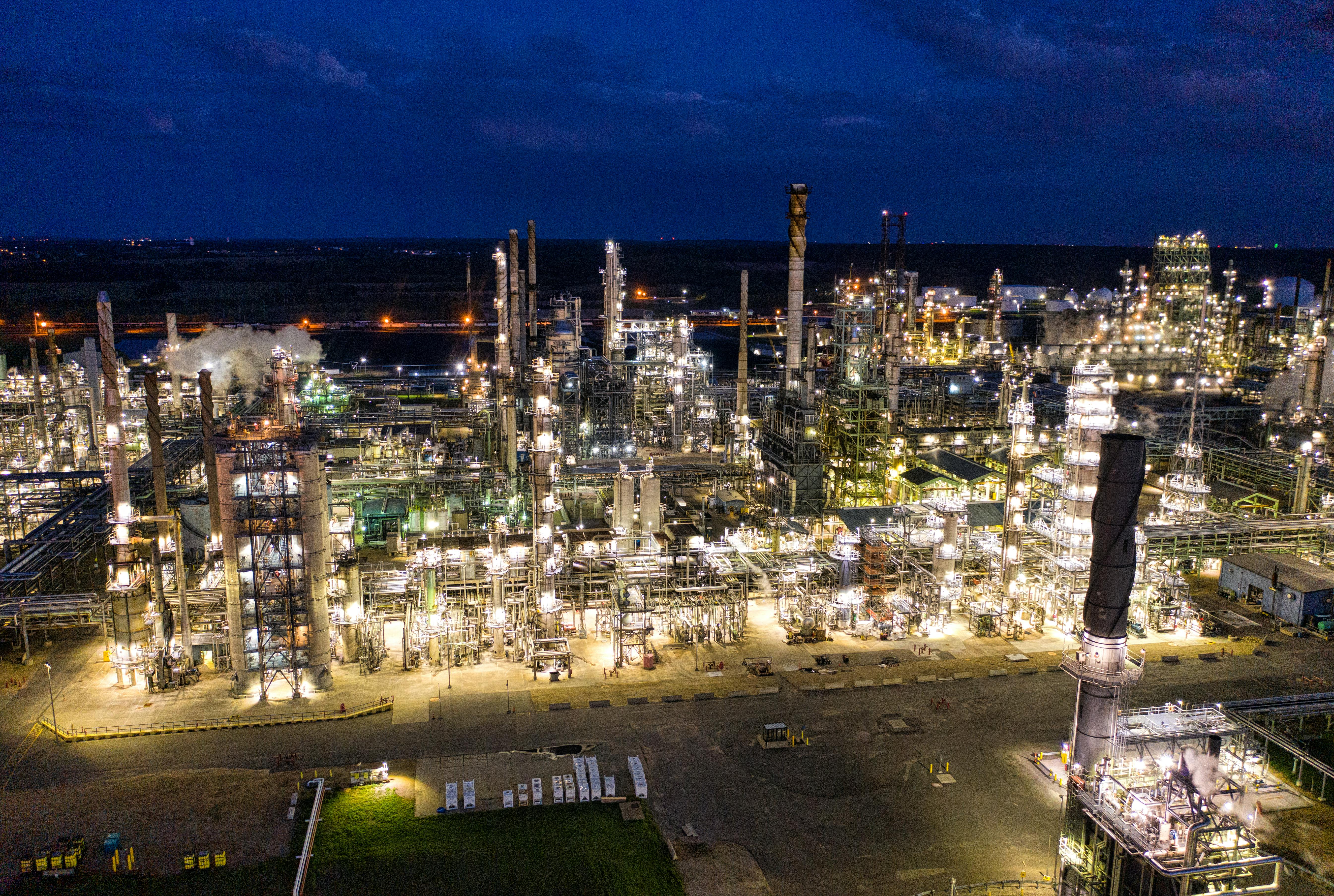
Power-to-liquids sites like Infinium's Pathfinder plant combine electrolyzers and catalytic reactors to turn captured carbon dioxide and renewable electricity into synthetic fuel.
Roadrunner And Atlas Chart Infinium's Path To Scale
American's offtake deal also covers eSAF from Infinium's second facility, Project Roadrunner, now under construction in Pecos, Texas. A third project, Atlas, won a corporate offtake award in April 2026.
Project Roadrunner is financed by Breakthrough Energy Catalyst and Brookfield Asset Management, with nonrecourse project debt from HSBC. Once complete, the site is expected to produce more than 5 million gallons of eSAF annually starting in 2027.
Brookfield's $1.1 billion commitment to Infinium, announced separately, shows how much capital is now moving into electrofuels. Electric Hydrogen is supplying a 100 megawatt electrolyzer for Roadrunner, part of the engineering and construction work now underway at the site.
Project Atlas, meanwhile, is a separate development targeting about 100,000 metric tons of eSAF a year. It aims for a 95 percent cut in carbon intensity compared with fossil jet fuel, with initial production targeted for 2029.
| Project | Location | Status | Planned Output |
|---|---|---|---|
| Pathfinder | Corpus Christi, Texas | Operating since 2023 | Commercial-scale eSAF, eDiesel, and eNaphtha |
| Roadrunner | Pecos, Texas | Under construction, deliveries expected 2027 | More than 5 million gallons of eSAF annually |
| Atlas | Not yet disclosed | SABA offtake awarded April 2026, production targeted for 2029 | About 100,000 metric tons of eSAF annually |
Together, the three projects mark Infinium's progression from a single operating plant to a broader eSAF supply chain.

"Since 2023, we have been producing scalable, drop-in eDiesel and eNaphtha at our Pathfinder facility from waste carbon and renewable energy for use in commercial trucks and plastics processing. Adding eSAF to our product slate, and seeing it power a commercial passenger flight, marks another meaningful step forward in bringing practical, low-carbon fuel solutions to industry."
Robert Schuetzle, CEO of Infinium
On the ground in Corpus Christi, the flight looked like any other departure.
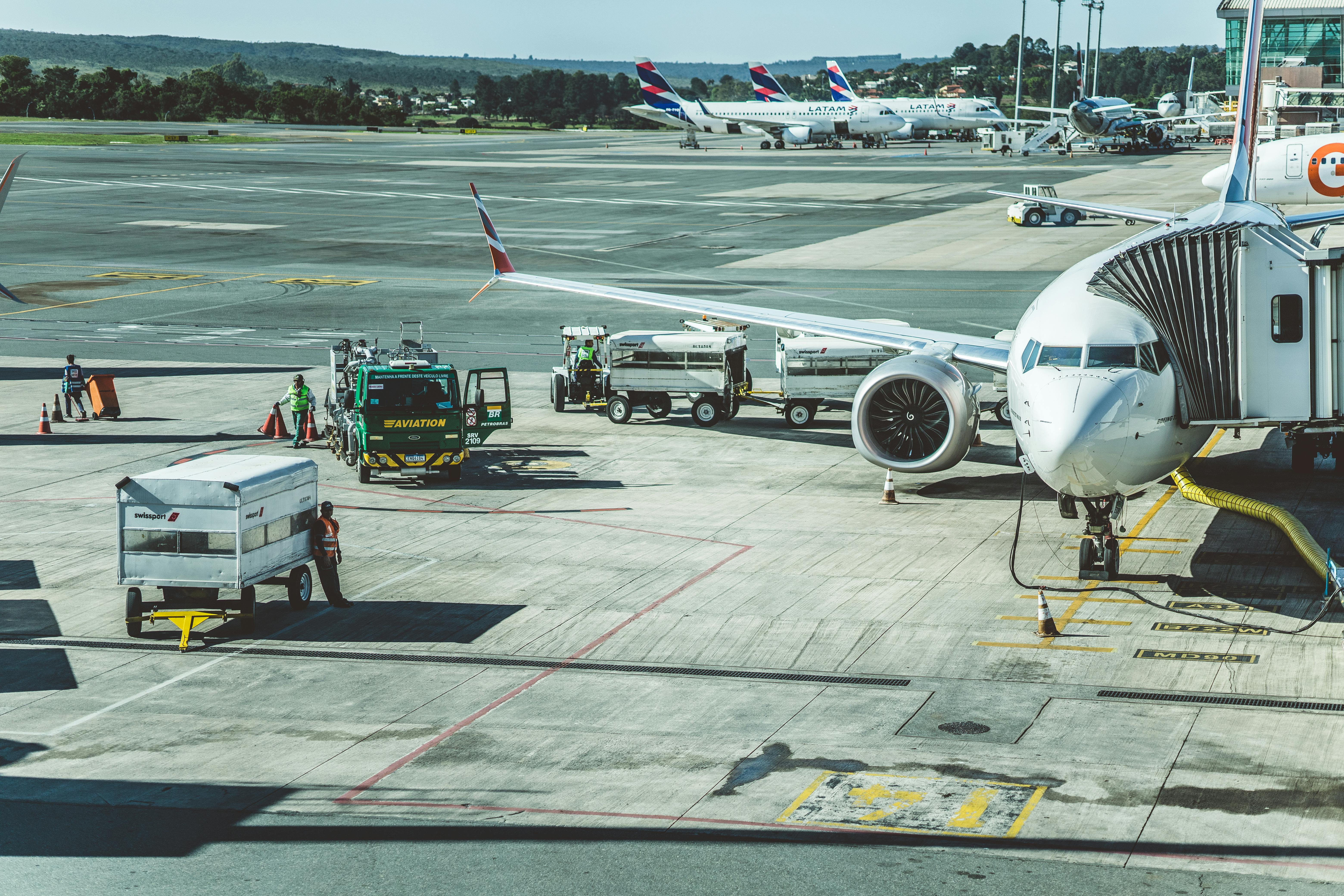
Ground crews handle eSAF-fueled aircraft the same way they handle any other flight, since the fuel requires no changes to airport equipment or procedures.
Local leaders framed the flight as part of a bigger energy story for South Texas. Representative Vicente Gonzalez, who represents the Corpus Christi area, said the project strengthens the regional economy while supporting domestic energy production.
Frequently Asked Questions
What is eSAF and how is it different from regular sustainable aviation fuel?
eSAF is made by combining captured carbon dioxide with hydrogen produced using renewable electricity, rather than biological feedstocks like used cooking oil or animal fats used in conventional SAF.
Does this flight mean eSAF is now widely available at U.S. airports?
No, this was a single flight. Roadrunner is still under construction with deliveries expected in 2027, and Atlas targets initial production in 2029.
How much does eSAF reduce emissions compared to regular jet fuel?
Infinium says its eSAF can cut lifecycle greenhouse gas emissions by more than 90 percent compared to conventional petroleum-based jet fuel.
The route from Corpus Christi to Dallas Fort Worth was short. The bet behind it, that captured carbon and renewable power can help fuel aviation at scale, is much bigger.
For now, the flight stands as a proof point rather than a supply shift. Whether eSAF becomes a meaningful share of aviation's fuel mix depends on Roadrunner and Atlas reaching production, milestones worth watching as 2027 and 2029 approach.
For ongoing coverage of carbon removal, BECCS, and corporate CDR procurement, subscribe to Decarbonfuse.com.
Subscribe to the newsletter
Daily decarbonization data and news delivered to your inbox
Follow the money flow of climate, technology, and energy investments to uncover new opportunities and jobs.
Latest issues
-
Who Bought Gevo’s $50M in 45Z Credits?
Inside This Issue ⛽ Gevo Sells $70M in 45Z Credits to a New Kind of Buyer 🌱 South Pole, Gaïago, and Gold Standard Issue European Soil Carbon Credits, Unlocking Verified Regenerative Agriculture Re...
-
Verra Landed CCP Approval. What Changes for DAC?
Inside This Issue ✅ Verra's CCS Credits Just Got the Integrity Seal Buyers Want 💰 South Korea Unveils $747 Billion Energy Transition Plan Through 2035 💧 Hydrogen and Carbon Capture and Storage in ...
-
Quebec Wood Waste Just Became Jet Fuel
Inside This Issue 🌲 ARC Bio Tests a Refinery Shortcut to Forest-Based SAF 💧 Scientists Just Found a New Way to Make Hydrogen from Water 🤝 How Channel Partnerships Are Helping More Organizations Ta...
Company Announcements
-
Mineral Europa: A Game Changer for Shipping
Antwerp, Oct. 09, 2026 (GLOBE NEWSWIRE) -- Antwerp, 9 October 2026 – CMB.TECH NV (“CMB.TECH” or the “Company”) (NYSE: CMBT, Euronext Brussels: CMBT and Euronext Oslo Børs: CMBTO) today announces th...
-
Download PDF (170.95 KB) Eni CCUS Holding, owned jointly by Eni and Global Infrastructure Partners ("GIP"), part of BlackRock, announces that Liverpool Bay CCS has completed the installation of th...
-
First-of-its-kind project in France and Belgium marks a major breakthrough for carbon credit buyers seeking high-integrity, high-impact regenerative agriculture removals in Europe; providing buyer...
-
Gevo and ClimeFi Complete Carbon Removal Transaction, Advancing Gevo's Growing Carbon Business
Transaction supports Gevo's path toward a carbon business exceeding $30 million in annual revenue from existing operations ENGLEWOOD, Colo., Oct. 08, 2026 (GLOBE NEWSWIRE) -- Gevo, Inc. (NASDAQ: G...