
INEOS Acetyls and Sandpiper Chemicals, LLC have committed approximately $1.7 billion to build one of the first large-scale blue methanol facilities in the United States. The plant in Texas City, Texas will produce approximately 1.1 million metric tons of low-carbon methanol per year. It pairs natural gas with carbon capture and storage (CCS) technology targeting a 97% CO2 capture rate. First production is targeted for 2030.
Key Facts
- Total project investment: approximately $1.7 billion (INEOS Acetyls and Sandpiper Chemicals, April 2026)
- Planned annual production: approximately 1.1 million metric tons of low-carbon methanol (INEOS/Sandpiper, April 2026)
- CCS target: 97% capture rate of process CO2 emissions (INEOS/Sandpiper, April 2026)
- INEOS anchor offtake: up to 300,000 metric tons per year for its acetic acid operations (INEOS/Sandpiper, April 2026)
- Global methanol demand: exceeds 100 million metric tons annually (INEOS, April 2026)
- Project distinction: one of the first blue methanol facilities in the United States (INEOS/Sandpiper, April 2026)
- Jobs expected: approximately 1,500 construction jobs at peak activity; 25 permanent positions (INEOS/Sandpiper, April 2026)
- FEED phase begins Q2 2026; Final Investment Decision targeted for 2027; first production targeted for 2030
>> In Other News: Willis Launches Integrated Risk And Insurance Solution For Carbon Capture
What Is the INEOS and Sandpiper Blue Methanol Project?
INEOS Acetyls, a specialty chemicals business operating within the global INEOS group, and Houston-based Sandpiper Chemicals, LLC announced a strategic collaboration in late April 2026. Together, they are developing a low-carbon methanol production facility at INEOS' existing Texas City site, located approximately 42 miles southeast of Houston.
The plant will use natural gas paired with carbon capture and storage (CCS) technology. It is designed to produce approximately 1.1 million metric tons of blue methanol annually. Carbon intensity is targeted to be significantly below conventional methanol production benchmarks.
Under the agreement, INEOS becomes both a shareholder in Sandpiper and the project's anchor customer. INEOS will consume up to 300,000 metric tons per year of the facility's methanol output. That volume will serve as feedstock for INEOS' acetic acid production operations at the same Texas City site. That built-in offtake arrangement provides commercial footing before construction begins.
The Texas City project will be Sandpiper's third methanol development and one of the first blue methanol projects in the United States.
>> RELATED: Sandpiper Chemicals Selects Air Water Gas Solutions as ASU Provider for Its Blue Methanol Facility
How Does the 97% CCS Target Work?
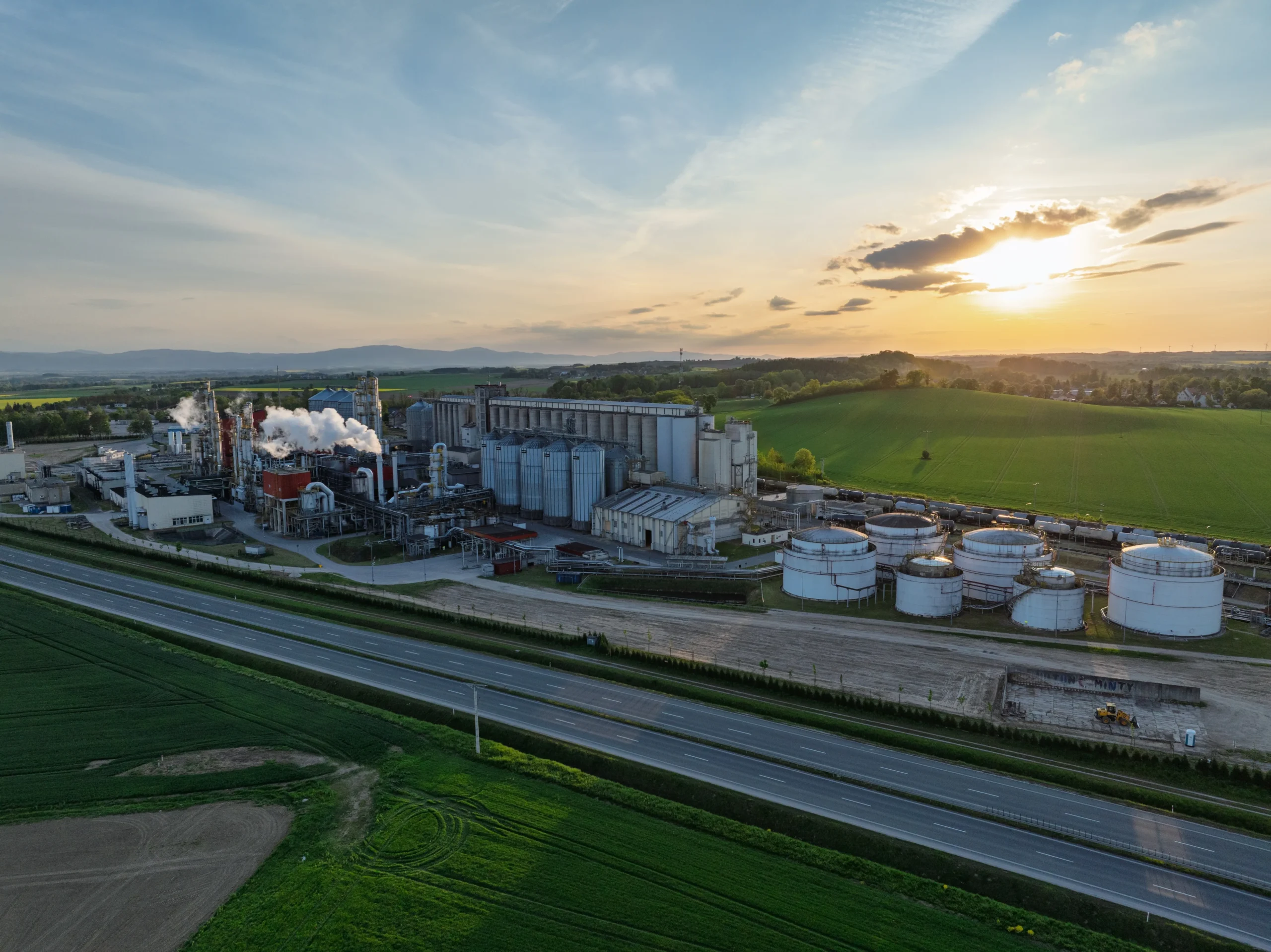
The facility will incorporate industrial-scale carbon capture and storage technology designed to intercept 97% of process CO2 emissions. That is a high capture threshold for a natural gas-based chemical plant.
The Texas City site was selected for its established petrochemical infrastructure and deep-water port facilities. Its proximity to the Gulf of Mexico's growing CO2 storage ecosystem was also a factor. A skilled regional workforce was cited as an additional site advantage.
Texas has been strengthening its CCS permitting framework. The EPA recently granted Texas primacy over Class VI underground injection wells, transferring authority to the Texas Railroad Commission. That regulatory shift streamlines the permitting pathway for projects that require geological CO2 storage at scale.

"Low-carbon methanol is increasingly recognized as a critical fuel and feedstock for the maritime, chemical, and energy sectors. INEOS is pleased to support Sandpiper's development of this facility at our Texas City plant as it will position us at the forefront of a rapidly growing global market for sustainable fuels. We are excited by the economic and environmental impact this project will create."
Declan Sealy, Business Director, INEOS Acetyls
Why Is Demand for Blue Methanol Growing?
Methanol is one of the world's most widely traded commodity chemicals. Global demand exceeds 100 million metric tons annually, according to INEOS. Demand for low-carbon methanol is forecast to grow substantially over the coming decade.
Two market forces are driving that growth. First, maritime shipping decarbonization mandates are pushing vessel operators toward lower-carbon alternatives. Methanol is compatible with existing marine engine technology. It can enter fuel supply chains with fewer infrastructure changes than hydrogen or ammonia.
Second, chemical manufacturers face pressure to reduce the carbon intensity of their feedstocks. INEOS illustrates this directly. Its acetic acid production process uses methanol as a primary feedstock via carbonylation. By sourcing up to 300,000 metric tons of low-carbon methanol per year from the Texas City facility, INEOS reduces the carbon intensity of its downstream acetic acid output.
Blue methanol occupies a practical near-term role in the clean fuels transition. It uses widely available natural gas and pairs it with CCS to sharply reduce process emissions. That makes it deployable at commercial scale significantly ahead of green methanol at equivalent volumes.
| Methanol Type | Primary Feedstock | Emissions Reduction Method | Commercial Scale Status (2026) |
|---|---|---|---|
| Conventional Methanol | Natural gas or coal | None | Globally available |
| Blue Methanol | Natural gas with CCS | Up to 97% of process CO2 captured | Emerging; very limited U.S. supply |
| Green Methanol | Renewable hydrogen and captured CO2 | Near-zero or net-zero emissions pathway | Limited; high production cost |
What Makes Texas City the Right Location?
The site selection reflects clear commercial logic. Texas City sits on the Gulf Coast with direct access to major Gulf of Mexico shipping lanes. That geographic advantage supports both domestic distribution and export to international markets.
INEOS already operates at the Texas City site. Sandpiper gains access to existing utilities, petrochemical infrastructure, and a trained workforce without the delays and added costs of greenfield development.

"This venture is a defining step in our strategy to build a lower-carbon methanol portfolio. INEOS' Texas City site offers world-class infrastructure, an advantaged gulf coast location and a talented workforce, making it the ideal location for a project of this scale and ambition. We are grateful for INEOS's support, and we look forward to bringing this facility to life and delivering real value to our stakeholders."
Peter Nassab, Chief Executive Officer, Sandpiper Chemicals, LLC
Texas has also been building out its regional carbon storage infrastructure. The Bayou Bend CCS project is a joint venture between Chevron (operator, 50% interest), Equinor (25%), and TotalEnergies (25%). It is developing one of the largest CO2 transportation and storage hubs in the U.S. along the same southeast Texas corridor.
The Sandpiper project is expected to create approximately 1,500 construction jobs at peak activity and 25 permanent positions upon commissioning. It will also generate tax revenues for Galveston County and the State of Texas (INEOS/Sandpiper, April 2026).
What Is the Development Timeline?
The project follows a staged path to commercial production. Front-End Engineering and Design (FEED) is expected to begin in Q2 2026. A Final Investment Decision (FID) is targeted for 2027. First production is anticipated in 2030 (INEOS/Sandpiper, April 2026).
INEOS has already committed equity as a shareholder and locked in an anchor offtake agreement. That combination of financial stake and guaranteed demand gives the project a firmer commercial foundation than many early-stage industrial facilities.
| Project Milestone | Target Date |
|---|---|
| INEOS and Sandpiper collaboration announced | April 29, 2026 |
| Front-End Engineering and Design (FEED) begins | Q2 2026 |
| Final Investment Decision (FID) | 2027 (targeted) |
| First production | 2030 (targeted) |
The FEED phase will refine engineering design and project cost estimates. A completed FEED is the prerequisite for FID, at which point construction financing and final procurement contracts are typically secured.
Sandpiper has been assembling its supplier network ahead of FEED. Earlier milestones include the selection of Air Water Gas Solutions as industrial gas supplier for a purpose-built air separation unit at the Texas City site. The INEOS anchor investment and equity stake represent the project's most significant commercial commitment to date.
The Bigger Picture: Blue Fuels Along the Gulf Coast
The U.S. industrial sector is investing heavily in commercial-scale carbon management infrastructure. The Sandpiper project adds a new dimension to that buildout, bringing CCS-backed methanol production to a region already dense with clean energy investment.
The U.S. action plan for maritime decarbonization identifies methanol and ammonia as priority low-GHG fuels for large ocean-going vessels. A 1.1 million metric ton per year facility with Gulf Coast port access is well-positioned to serve that demand as it develops.
Other large Gulf Coast projects are advancing in parallel. ExxonMobil and Calpine's Baytown CCS collaboration targets up to 2 million metric tons of CO2 per year from a single gas-fired power facility. BW Offshore and McDermott's floating blue ammonia concept targets over 1 million tonnes of ammonia annually with up to 99% CO2 capture. Together, these projects reflect a coordinated industrial shift toward lower-carbon fuels and feedstocks at scale.
The $1.7 billion commitment from INEOS and Sandpiper adds 1.1 million metric tons of annual blue methanol capacity to North America's clean fuels pipeline. Global methanol demand exceeds 100 million metric tons per year, and the low-carbon share of that market is forecast to grow. The Texas City facility is designed to meet a slice of that demand starting in 2030.
Subscribe to the newsletter
Daily decarbonization data and news delivered to your inbox
Follow the money flow of climate, technology, and energy investments to uncover new opportunities and jobs.
Latest issues
-
Can Amogy Power Data Centers With Ammonia?
Inside This Issue ⚡ Amogy and 2G Energy Successfully Demonstrate Integrated Ammonia-to-Power Generation With Natural Gas Multi-Fuel Capability ✈️ Argus Launches SAF Emissions Reduction Indexes and...
-
Ontario Nickel Project Could Add $70 Billion
Inside This Issue 🍁 Canada Nickel Secures Federal Approval for Crawford Nickel Project 🏛️ Whitehouse, Coons, Peters, and Tonko Reintroduce Carbon Dioxide Removal Bill 🌲 Plumas County's Top Biomass...
-
Frontier’s 750,000 Credits Won’t Wait For Pipelines
Inside This Issue 🌽 Frontier Infrastructure Holdings & Carbonfuture Announce Largest Ethanol BECCS Carbon Removal Partnership Agreement to Date ♻️ Puro.earth Certifies World's First Biogas BEC...
Company Announcements
-
Montana Renewables Celebrates Minnesota SAF Hub
ST. PAUL, Minn., Aug. 4, 2026 /PRNewswire/ -- Montana Renewables, LLC (MRL) joined the Minnesota SAF Hub in celebration of new supply to Minneapolis-St. Paul International Airport (MSP). MRL will s...
-
With a combined $900k in funding from The Rockefeller Foundation and Meta, Sylvera partners with the State University of Santa Cruz, World Resources Institute, and Symbiosis Coalition, to create th...
-
Collaboration aims to accelerate the commercial deployment of mineral carbonation technology that permanently sequesters CO₂ and produces low-carbon materials for industrial and construction applic...
-
Waste Energy Begins Final Commissioning Phase of Its Midland Waste Conversion Infrastructure Campus
Company Update Lead commissioning engineer arrives as Waste Energy Corp. enters the final stage of transforming its flagship Texas environmental infrastructure campus into a commercial operating a...