
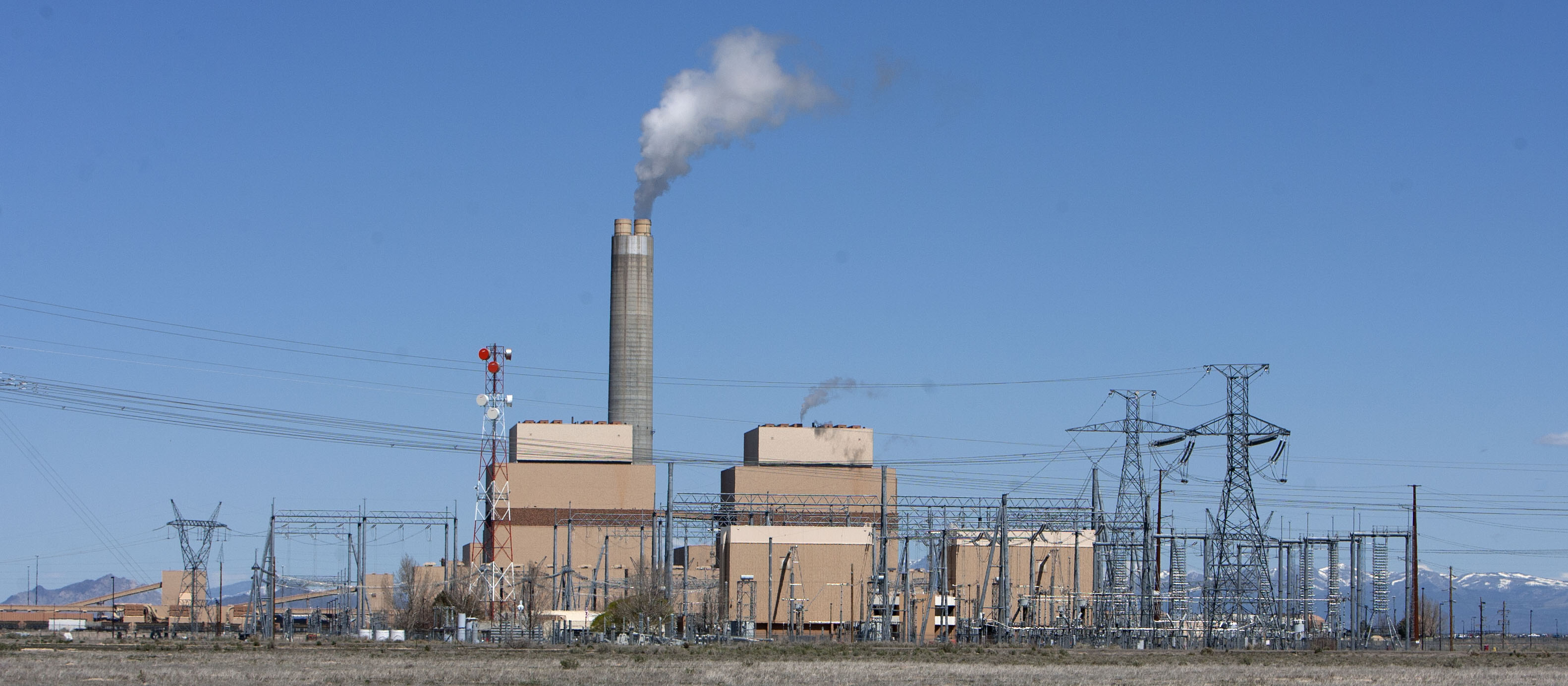
Los Angeles just made energy history. The nation's second-largest city has officially ended its reliance on coal power, and it's replacing that dirty energy with something far more ambitious: the world's largest green hydrogen power plant, backed by underground storage caverns the size of the Empire State Building.
On December 4, 2025, Mayor Karen Bass announced that the city received its final coal delivery from the Intermountain Power Project in Utah. Starting in 2026, that same facility will begin generating electricity using green hydrogen, marking a pivotal shift for both the city and the broader clean energy landscape.
How LA Went From 50% Coal to Zero
The transformation took two decades. Back in 2003, over half of LA's power came from coal. Today, the city runs on 60% carbon-free energy with coal at zero percent. The Los Angeles Department of Water and Power pulled off this transition through strategic divestments and clean energy investments.
LADWP first divested from the Navajo Generating Station in Arizona in 2016. The Intermountain Power Project was the last holdout. Now, under Mayor Bass, the city has completed its exit from coal entirely.

"This is a defining moment for the City of Los Angeles. L.A.'s coal divestment is not just about discontinuing the use of coal to power our city, it's about building a clean energy economy that benefits every Angeleno."
Mayor Karen Bass, City of Los Angeles
>> RELATED: ACES Delta I Hydrogen Production and Storage
What IPP Renewed Brings to the Table
The revamped facility in Delta, Utah, isn't just any power plant. IPP Renewed represents a $1.7 billion investment in hydrogen-capable generation, with an additional $2.7 billion going toward transmission upgrades. The new plant features two Mitsubishi Power M501JAC gas turbines with 840 MW of combined capacity.
Here's the roadmap: starting Q2 2026, the turbines will run on 70% natural gas and 30% green hydrogen. By 2045, the goal is 100% green hydrogen. This phased approach allows the technology and supply chain to mature while still delivering immediate emissions reductions of 75% compared to coal.

The Intermountain Power Project (IPP) Renewed, detailing the facility's capacity, ownership, and its phased roadmap to becoming a 100% green hydrogen power source by 2045.
The Hydrogen Supply: ACES Delta
Adjacent to the power plant sits the Advanced Clean Energy Storage facility, a joint venture between Chevron (majority owner) and Mitsubishi Power Americas.
The facility uses 220 MW of electrolyzers to produce approximately 100 metric tonnes of green hydrogen daily. That hydrogen gets stored in two massive salt caverns, each roughly the size of the Empire State Building. Combined, these caverns hold 11,000 metric tonnes of hydrogen, equivalent to over 300 GWh of energy storage.
"It makes an excellent, leak-proof storage place for hydrogen."
David Hanson, Manager of Power Projects, LADWP
The project secured a $504 million loan guarantee from the U.S. Department of Energy in 2022. Commercial operations are expected to ramp up through 2025 and 2026.
>> In Other News: Peregrine Hydrogen and Tasmania Energy Metals Sign LOI for Nickel Processing Plant in Bell Bay
Why This Project Matters Now
LA's hydrogen bet comes at an interesting time. Federal funding for hydrogen hubs in California and the Pacific Northwest has faced setbacks. Yet this project pushes forward, proving that hydrogen-based power generation can work at commercial scale.
The numbers tell the story:
- 21 million kilograms of hydrogen produced annually at full capacity
- Seasonal storage capability that batteries simply cannot match
- Dispatchable power that complements intermittent wind and solar
For LA, this project accelerates the path to 100% clean energy by 2035. For the hydrogen industry, it demonstrates that large-scale hydrogen storage and power generation is operational.
A Blueprint for Clean Energy Transitions
What makes this project notable is the partnership model. Utah municipalities retain ownership through the Intermountain Power Agency while LA handles operations. The economic partnership between the two states continues, just without the carbon.
As LADWP's David Hanson noted, the facility sits atop a geological asset, salt caverns, that nobody paid much attention to for decades. Now those caverns are enabling one of the most ambitious clean energy projects in the country. Similar underground storage principles are being explored for carbon storage hubs across the Southwest.
The transition from coal to hydrogen in Delta, Utah is exactly the kind of transformation the energy sector needs: practical, scalable, and already underway.
Subscribe to the newsletter
Daily decarbonization data and news delivered to your inbox
Follow the money flow of climate, technology, and energy investments to uncover new opportunities and jobs.
Latest issues
-
The US Hasn't Made Heavy Water Since 1982
Inside This Issue ⚛️ Aternium Completes FEED Studies for US Hydrogen, Heavy Water Project 🐄 Google, McKinsey Strike Brazil Carbon Removal Deal With Silvopasture Project 🔧 Cummins Selects Stargate ...
-
Why Colorado’s Koloma Has Japan’s Largest Utility Hooked
Inside This Issue ⚡ JERA Invests in Koloma to Explore Natural Hydrogen as a Future Low-Carbon Energy 🔬 New CATF Tool Provides Framework for Self-Assessment and Strengthening of Biomass Carbon Remo...
-
LNK Energies Targets $6.50 Hydrogen With No Federal Subsidies
Inside This Issue 🚛 MIT Startup Says It Can Turn Diesel Trucks Into Cheaper Hydrogen Haulers, See It at Disrupt 🏭 Baytown City Council Briefs: ExxonMobil Blue Hydrogen Agreement Approved 🌎 Colorad...
Company Announcements
-
A new interactive tool from Clean Air Task Force (CATF) provides a practical framework for the self-assessment and strengthening of biomass carbon removal (BiCRS) protocols to help ensure that carb...
-
LanzaJet Secures Financing to Scale SAF Production and Supply Global Customers
CHICAGO, Oct. 15, 2026 (GLOBE NEWSWIRE) -- LanzaJet, Inc., a leading next-gen fuels technology company and fuels producer, today announced fully committed new financing of at least $20 million to s...
-
44.01 and Frontier Advance Permanent CO₂ Storage Through In-Situ Mineralization
44.01's in-situ mineralization (ISM) process turns CO₂ into solid rock underground in a few years, after which the risk of reversal is functionally zero. >> In Other News: JERA Invests in ...
-
JERA Invests in Koloma to Explore Natural Hydrogen as a Future Low-Carbon Energy
JERA Co., Inc. (JERA), through its corporate venture capital arm JERA Ventures, has invested in Koloma, Inc. (Koloma), a U.S.-based natural hydrogen exploration and development company. The invest...