
Fortera and Mississippi Lime Company have picked Ste. Genevieve, Missouri, for the first commercial plant that turns captured lime emissions into cement. It is planned to make 300,000 tons of ReAct cement a year. Meta has signed a multi-year deal tied to about 200,000 tons, giving Fortera revenue visibility to pursue financing.
The two announcements came one week apart. Fortera and MLC confirmed the site on October 22, 2026, and Fortera and Meta announced the certificate deal on October 29, 2026.
Key Facts
- Planned capacity: 300,000 tons of ReAct cement per year at MLC's Ste. Genevieve, Missouri site
- ReAct cement is nearly 50% captured CO₂ by weight, per Fortera
- Fortera says ReAct produces 70% fewer emissions than ordinary Portland cement
- ReAct is third-party tested and meets all six ASTM C1157 performance categories
- Meta's multi-year EAC deal covers about 200,000 tons of cement, with options to expand volume and duration and to use the physical cement in its own buildings
- The plant would be 20 times the size of Fortera's 15,000-ton-per-year facility in Redding, California
- Cement accounts for about 8% of global greenhouse gas emissions, per the U.S. Department of Energy
- Imports supplied 21% of U.S. cement consumption in 2025, per the U.S. Geological Survey
>> In Other News: The Andersons, Inc. to Acquire Harvestone Low Carbon Partners, Expanding Ethanol Production Capacity and Low-Carbon Fuels Capabilities
What Is the Ste. Genevieve Plant and Why Does It Matter?
The Fortera Cement Plant would turn 300,000 tons of lime-kiln CO₂ output into cement each year at MLC's Ste. Genevieve site. Fortera, a low-carbon cement maker based in San Jose, California, would build it next to MLC's kilns.
Fortera's patented ReCarb process captures CO₂ released during lime calcination. It then mineralizes that CO₂ into ReAct, a reactive calcium carbonate cement. ReAct is nearly 50% captured CO₂ by weight and can be used alone or blended with ordinary Portland cement.
Separately, Fortera says ReAct produces 70% fewer emissions than ordinary Portland cement. The site was chosen for its scale and its Mississippi River access, which reaches most of the U.S. and export markets.
Domestic supply is a timely fit. Imports covered 21% of U.S. cement demand in 2025, according to the U.S. Geological Survey.
>> RELATED: Global Underground CO₂ Storage Hits Record 43.6 Million Tonnes As London Register Expands Reach
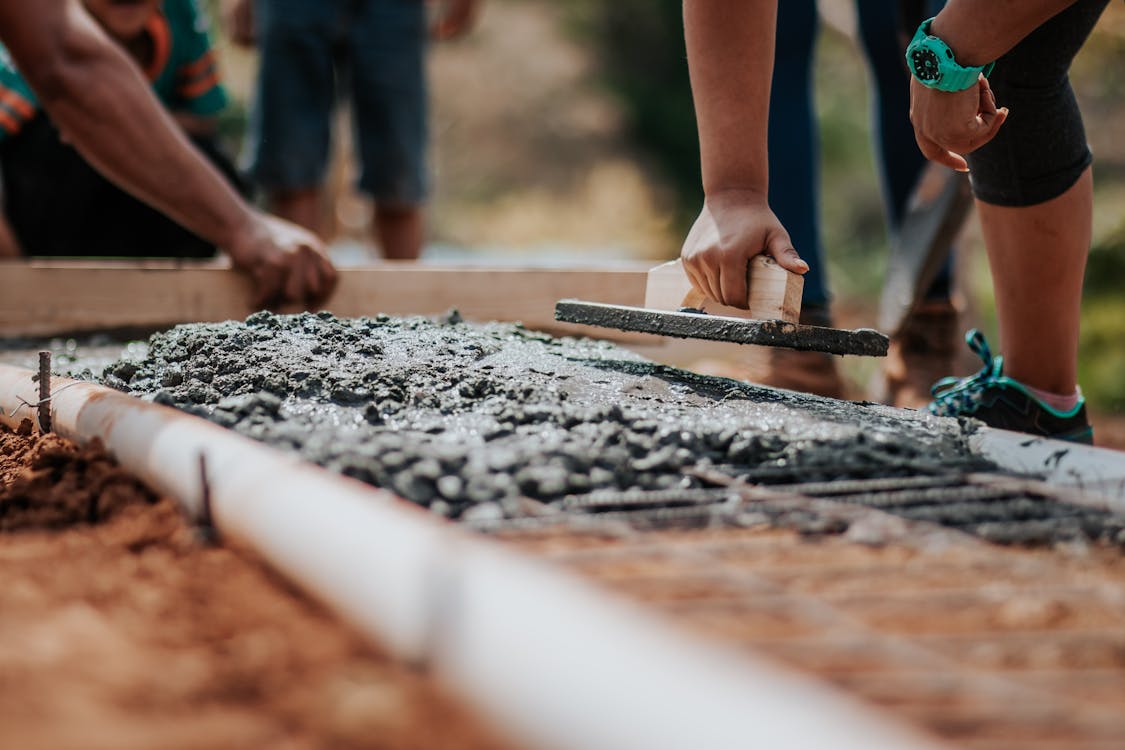
Kilns and silos at cement and lime plants are where Fortera's ReCarb system is designed to capture process CO₂.
How Does the Meta EAC Agreement Work?
Meta will buy Environmental Attribute Certificates, or EACs, tied to about 200,000 tons of ReAct cement over several years. EACs separate a material's low-carbon attributes from the physical product. That lets a buyer pay for the emissions benefit without necessarily taking delivery of the cement.
A multi-year buyer gives lenders long-term revenue visibility. Both announcements say the deal supports Fortera's financing for the plant.
Neither announcement confirmed a final investment decision, closed financing, a capital cost, a construction start, or a commissioning date. Meta holds options to expand the deal's volume and duration. It can also take physical cement for its own building projects.

"A multi-year commitment is what gets a cement plant financed. Our agreement helps Fortera move the Ste. Genevieve plant from plan to production, which means construction jobs and long-term manufacturing jobs in Missouri, and low-carbon cement available to builders well beyond Meta."
Devon Lake, Head of Net Zero Strategy, Meta
This is Fortera's second deal with a hyperscaler. In September 2025, Microsoft invested in Fortera through its Climate Innovation Fund, with rights to procure ReAct cement and its certificates.
Certificate deals are becoming a common tool in industrial carbon capture and hard-to-abate supply chains. They let buyers fund lower-carbon materials before full commercial volumes exist.
How Does Fortera's Redding Plant Compare to Ste. Genevieve?
Ste. Genevieve would produce 20 times the cement of Fortera's first plant in Redding, California. Redding has run the ReCarb process at commercial scale since April 2024.
| Plant | Location | Annual Capacity | Status |
|---|---|---|---|
| Fortera ReCarb Plant | Redding, California | 15,000 tons per year | Operating since April 2024 |
| Fortera Cement Plant | Ste. Genevieve, Missouri | 300,000 tons per year | Planned |
The jump matters because cement is a large emissions source. It accounts for roughly 8% of global greenhouse gas emissions, per the U.S. Department of Energy. That makes cement a priority for industrial decarbonization.
Official Fortera video of the operating Redding, California ReCarb plant, which captures kiln CO₂ and converts it into ReAct cement at commercial scale—the same technology planned for the 20-times-larger Ste. Genevieve facility.
Why Does This Matter for the Lime Industry?
Calcination accounts for roughly 60% of lime's Scope 1 emissions, which makes capture tools like ReCarb valuable to producers. Those emissions come from the chemistry of heating limestone, not just from burning kiln fuel.
MLC, a St. Louis-based HBM Holdings company, runs what it describes as the largest lime operation in the Americas at Ste. Genevieve. MLC has cut its carbon footprint by 8% since 2022.
Paul Hogan, MLC's CEO and current president of the National Lime Association, says the industry needs new tools to go further.

"While MLC has reduced our carbon footprint by 8% since 2022, and I am proud of that progress, current technologies will only take us so far. Lime producers need practical solutions to capture calcination emissions."
Paul Hogan, CEO, MLC
Unlike geologic storage, Fortera's approach turns captured CO₂ into a product that can be sold. That gives lime producers a revenue stream alongside lower emissions. Explore more CCUS developments on Decarbonfuse.
Who Will Use the Cement?
Ozinga plans to use ReAct cement from Ste. Genevieve across the Midwest. Ozinga is a fifth-generation, family-owned concrete and building materials company.
Meta's option to take physical cement adds a second demand path beyond certificates. Corporate carbon removal commitments are increasingly built to support both financing and physical supply.
Meta says the project will bring construction jobs and long-term manufacturing jobs to Missouri.

Fortera's ReCarb process captures CO₂ from lime kilns and mineralizes it into ReAct cement for Midwest buyers.
What's Next for Fortera's Commercial Pipeline?
Ste. Genevieve leads a pipeline built on bolting ReCarb onto existing lime and cement plants. Partners keep their kilns, limestone supply, and distribution networks.
Fortera has a global partnership with Graymont, a major lime and limestone producer. It is also running a feasibility study with Japan's Sumitomo Corporation for a commercial plant in Asia.
With Meta joining Microsoft, Fortera now has two hyperscaler buyers. Long-term corporate procurement commitments are helping finance first-of-kind industrial plants. A similar pattern drove the $450 million offtake deal behind Emvolon's raise.
Read more on the wider carbon storage landscape and evolving certification standards for carbon removal.
Frequently Asked Questions
What are Environmental Attribute Certificates in the Fortera and Meta deal?
EACs represent the low-carbon attributes of a material, separate from the physical product. Meta is buying EACs tied to about 200,000 tons of ReAct cement. This lets Meta account for supply chain emissions cuts without necessarily taking delivery of the cement.
Has construction started on the Ste. Genevieve plant?
Not according to the announcements. Neither release confirmed a final investment decision, closed financing, a capital cost, a construction start, or a commissioning date. Both say the Meta deal supports Fortera's financing for the plant.
How is ReAct cement different from Portland cement?
ReAct is made by mineralizing captured kiln CO₂ into reactive calcium carbonate. Fortera says it produces 70% fewer emissions than ordinary Portland cement. It meets all six ASTM C1157 performance categories and can be used alone or blended with traditional cement.
For ongoing coverage of carbon removal, BECCS, and corporate CDR procurement, subscribe to Decarbonfuse.com.
Subscribe to the newsletter
Daily decarbonization data and news delivered to your inbox
Follow the money flow of climate, technology, and energy investments to uncover new opportunities and jobs.
Latest issues
-
400 Tons of Hydrogen Daily to Power Data Centers
Inside This Issue ⚡ HDF Energy Selects Topsoe for 250 MW Power Plant in Texas 🍁 Deep Conduit Signature Identified Near Lawson 4 Expands Commercial Potential of Canada’s First Subsurface Natural Hy...
-
Why Meta Wants 200,000 Tons of Cement Credits
Inside This Issue 🤝 Fortera and Meta Sign Multi-Year Environmental Attribute Certificate (EAC) Purchase Agreement for Low Carbon Cement ✈️ Massachusetts Marks 1st Barge Delivery of SAF to Boston L...
-
The $450M Offtake Deal Behind Emvolon’s $22M Raise
Inside This Issue 🏗️ Emvolon Raises $22 Million Funding Round to Launch Its Modular, Waste-to-fuel Chemical Plants 🔋 Terraton Turns Kenyan Nut Shells into Carbon Credits ⚡ Ballard Launches HPU Agi...
Company Announcements
-
Expands The Andersons' Renewables platform by more than 40%, adding approximately 215 million gallons of annual ethanol production Adds a differentiated low-carbon ethanol platform strategically p...
-
TOKYO--BUSINESS WIRE--Asahi Kasei, a diversified global company, and U.S.-based Power to Hydrogen (P2H2) have signed a memorandum of understanding (MOU) to evaluate manufacturing scale-up and comme...
-
The Integrity Council Approves Methodologies for Coal Transition and Forest Restoration
Verra's VM0052 methodology on coal transition and Equitable Earth's M001 methodology on forest restoration meet the requirements of the Core Carbon Principles®. The Integrity Council for the Volun...
-
Companies to Evaluate Scalable, Clean and Firm Power Solutions to Advance 1 GW or More of Decarbonized Power in California LONG BEACH, Calif., Nov. 02, 2026 (GLOBE NEWSWIRE) -- California Resource...