
The tech giant's 2.85 million tonne deal with Indigo Ag sends a powerful signal to the voluntary carbon market and U.S. farmers alike.
Microsoft kicked off 2026 with a record-breaking move. The company announced a 12-year agreement with Indigo Ag to purchase 2.85 million soil carbon removal credits, marking one of the largest soil carbon deals ever recorded. This partnership directly supports thousands of American farmers practicing regenerative agriculture across millions of U.S. acres.
The deal builds on a relationship that started small. Microsoft purchased 40,000 tonnes from Indigo in 2024, followed by 60,000 tonnes in 2025. This latest commitment represents a massive leap in scale, reinforcing Microsoft's goal of becoming carbon negative by 2030.

>> In Other News: CF Industries, Trafigura And TFG Marine Sign MOU To Advance Low-Carbon Ammonia For Maritime Decarbonisation
Why This Deal Stands Out
This agreement is one of the first soil carbon deals to feature credits approved under the Integrity Council for the Voluntary Carbon Market's (ICVCM) Core Carbon Principles. That label signals high integrity and rigorous verification, exactly what corporate buyers now demand.

"Microsoft is pleased by Indigo's approach to regenerative agriculture that delivers measurable results through verified credits and payments to growers, while advancing soil carbon science with advanced modeling and academic partnerships."
Phillip Goodman, Director of Carbon Removal at Microsoft
Indigo Ag has issued 927,296 carbon removal credits from its CAR1459 project using the Climate Action Reserve's Soil Enrichment Protocol. The company uses peer-reviewed research, remote sensing, and machine learning to verify results.
>> RELATED: North America's Carbon Removal Year in Review: The Deals, Policies, and Milestones That Shaped 2025
The U.S. Farmer Connection
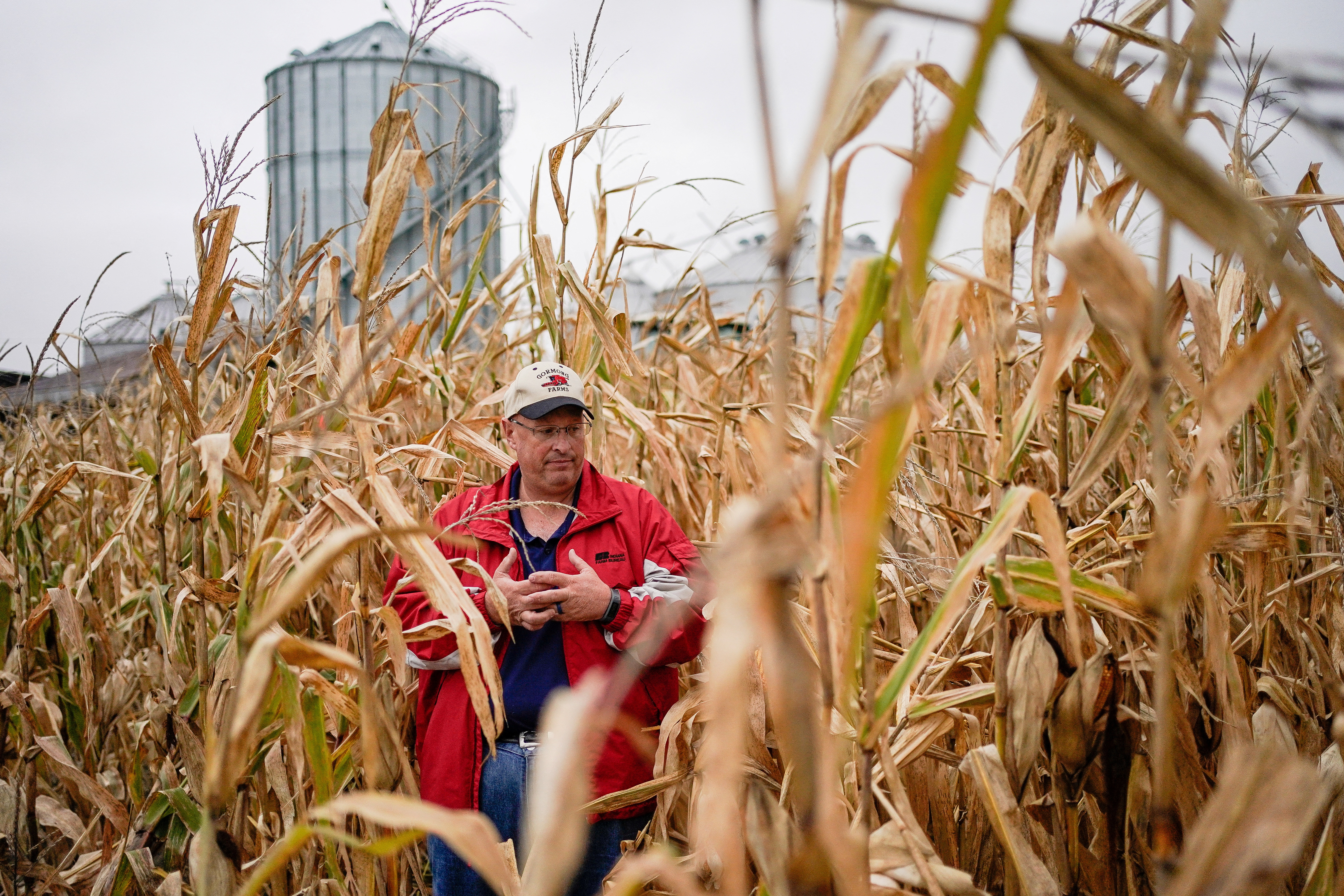
What makes this deal compelling is its direct impact on American agriculture. Indigo works with farmers across eight million acres and has paid them $40 million through its programs. At a time when farmers face economic pressures, this creates meaningful new revenue streams.

"Microsoft's purchase highlights the transformative power of regenerative agriculture to support watersheds, support farming communities, and advance global net-zero goals."
Meredith Reisfield, Senior Director of Policy, Partnerships and Impact at Indigo
Regenerative agriculture practices have been recognized by governments and climate organizations as a valuable carbon removal tool. According to research, these practices have the potential to remove more than 3.5 gigatons of CO2 equivalent annually. The co-benefits extend to improved soil health, better water infiltration, and increased crop resiliency.

A snapshot of the significant soil carbon removal agreement between Microsoft and Indigo Ag, highlighting its scale, reach, and impact.
Part of a Larger Carbon Removal Push
The Indigo deal is just one piece of Microsoft's aggressive 2026 strategy. The same week, the company announced a 2 million tonne purchase from Rubicon Carbon sourced from an afforestation project in Uganda supporting over 50,000 smallholder farmers.
Microsoft's carbon removal portfolio now spans multiple technologies and approaches:
- Soil Carbon: Indigo Ag, Agoro Carbon
- Afforestation: Rubicon Carbon, Chestnut Carbon
- BECCS: CO280, Stockholm Exergi
- Biochar: Exomad Green, Varaha
How Indigo's Carbon Program Works
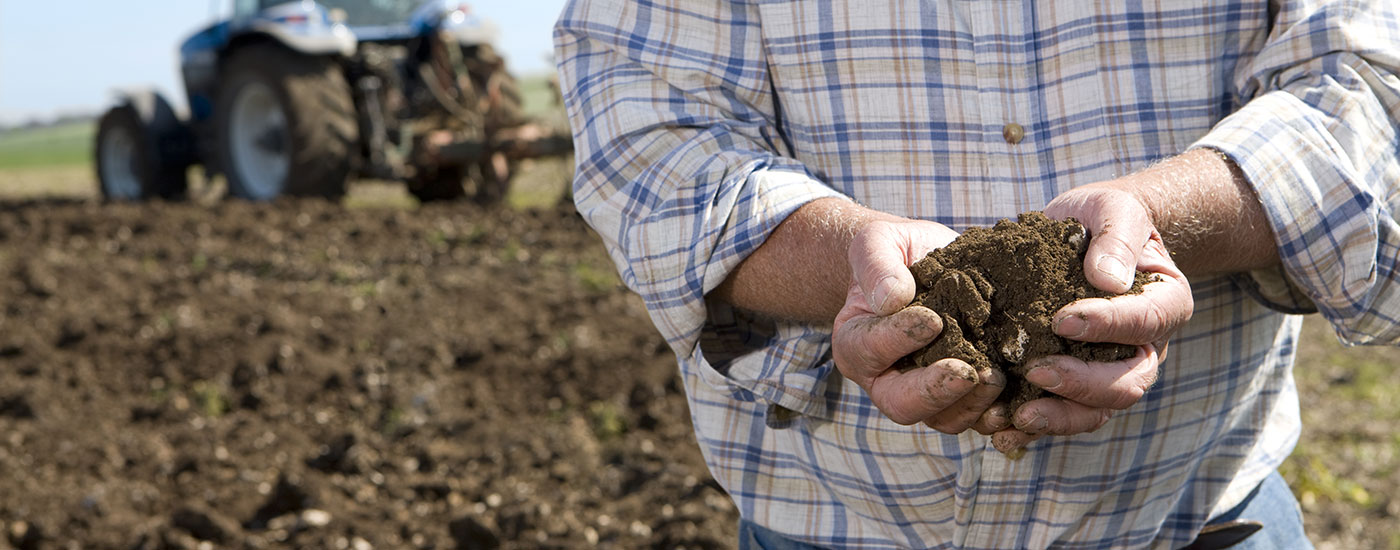
The Carbon by Indigo program requires farmers to adopt specific practice changes. These include cover cropping, rotating crops, or reducing tillage and input use. Changes in soil carbon are then measured through a combination of soil sampling, farm data collection, and scientific modeling.
Results are independently verified by Climate Action Reserve, which issues the credits after a roughly two-year verification process. Indigo has also added measures to reduce reversal risk throughout the 40-year durability term agreed with Microsoft.
A Strong Signal for the Voluntary Market
This deal matters beyond its size. With political uncertainty in Washington, corporate demand is proving to be the real driver of carbon removal growth. Microsoft's actions show that the private sector is not waiting for policy clarity.
For the voluntary carbon market, this sets a high bar for 2026. Soil carbon is now a bankable asset class when verified correctly, and ICVCM approval gives buyers the confidence to invest at scale.
The durable carbon removal market crossed the 1 million tonne mark in 2025. Deals like this push the industry from pilot projects into commercial reality.
What This Means Going Forward
As more corporations follow Microsoft's lead, regenerative agriculture stands to become a central pillar of global decarbonization. The partnership proves that nature-based solutions can deliver at scale when backed by rigorous verification. The message is clear: investing in farmland is investing in the climate.
Subscribe to the newsletter
Daily decarbonization data and news delivered to your inbox
Follow the money flow of climate, technology, and energy investments to uncover new opportunities and jobs.
Latest issues
-
Colorado Joins the 7-State CCS Permit Fast Lane
Inside This Issue ⚖️ Colorado Takes Over Class VI Permits: What Changes for CCS? 🏭 Hebei Shoulang Facility Using LanzaTech Technology Achieves World’s First ISCC EU RCF Certification for Ethanol P...
-
The US Hasn't Made Heavy Water Since 1982
Inside This Issue ⚛️ Aternium Completes FEED Studies for US Hydrogen, Heavy Water Project 🐄 Google, McKinsey Strike Brazil Carbon Removal Deal With Silvopasture Project 🔧 Cummins Selects Stargate ...
-
Why Colorado’s Koloma Has Japan’s Largest Utility Hooked
Inside This Issue ⚡ JERA Invests in Koloma to Explore Natural Hydrogen as a Future Low-Carbon Energy 🔬 New CATF Tool Provides Framework for Self-Assessment and Strengthening of Biomass Carbon Remo...
Company Announcements
-
Citi Closes $72 Million Carbon Removal-Linked Note to Support Applied Carbon Biochar Project
HIGHLIGHTS Citi structured an innovative $72 million carbon removal-linked note to provide upfront capital for Applied Carbon's biochar project, marking a first-of-its-kind "outcome bond" for ver...
-
New platform opens access to the same rigorous project evaluations trusted by the world's leading carbon removal procurement programs Today, Relae (formerly Carbon Direct) launched The Diligence C...
-
Inside BLM's 650,000-Acre Bet on Wyoming Carbon Storage
The Bureau of Land Management has offered right-of-way grants covering about 649,438 acres of federal pore space in southwest Wyoming. The September 21, 2026 offers went to Moxa Carbon Storage LLC ...
-
NEW YORK, BUSINESS WIRE, SWITCH Maritime (Switch), a leading developer of zero-emission vessels, secured a Design Basis Agreement (DBA) with the United States Coast Guard (USCG) for the SWITCH-150,...