
Mombak Beat Google's 2028 Carbon Deadline by Two Years
Published by Todd Bush on August 18, 2026
Mombak delivered more than 21,000 metric tonnes of verified carbon removal to Google, McKinsey, and other buyers in August 2026. Some buyers expected those credits in 2028. The early delivery gives nature-based carbon removal a concrete test of something corporate buyers increasingly value: whether contracted tonnes actually arrive when promised.
Key Facts
- 21,771 reforestation credits were issued by Isometric on July 1, 2026.
- More than 21,000 metric tonnes were delivered to buyers in August 2026, including Google, McKinsey, Bain, McLaren Racing, Climeworks, Commons, and Union Square Ventures.
- Nearly 15 million native trees have been planted across 12 farms in Pará, Brazil.
- Mombak's project uses more than 100 native Amazon species, according to Isometric.
- An additional issuance of more than 55,000 credits is expected in late 2026.
- The transaction marks the first completed delivery under the Symbiosis Coalition.
>> In Other News: Synhelion Marks Two Years of Synthetic Aviation Fuel Demo
How Did Mombak Deliver Carbon Removal Two Years Early?
Mombak restores degraded cattle pasture in Brazil's Amazon region through native-species reforestation. Nearly 15 million trees now span 12 farms, creating measurable atmospheric CO2 removal as the forests grow.
The first batch reached a key milestone on July 1, 2026. Isometric issued 21,771 reforestation certificates under its Reforestation Protocol. They were Mombak's first reforestation certificates and Isometric's first nature-based carbon removal issuance.
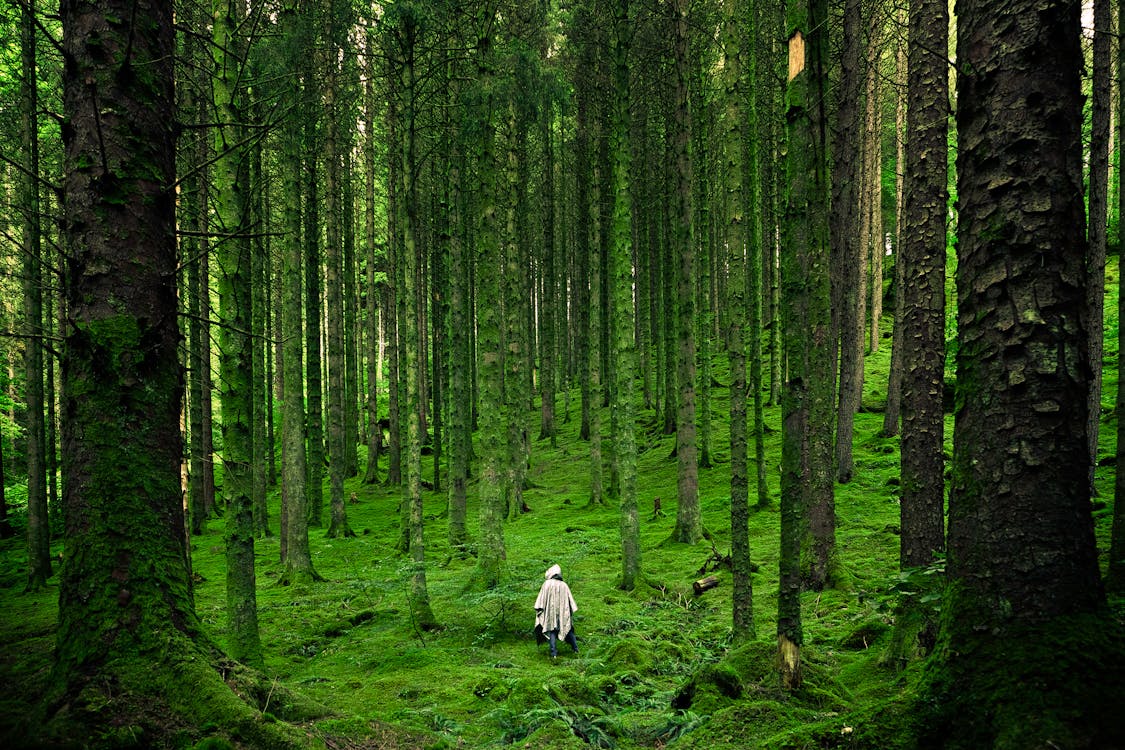
Native reforestation removes atmospheric CO2 as restored forests grow on previously degraded land.
The certification builds on Mombak's earlier work with Isometric, including its registration of both nature-based and engineered CDR projects. The August deliveries turned certification into fulfilled corporate procurement.
"Being two years early in some of our first deliveries is really valuable for the relationships that we build with existing buyers."
Dan Harburg, Chief Commercial Officer, Mombak
Why Does Delivery Reliability Matter for Carbon Removal?
Carbon removal procurement increasingly depends on execution as well as credit quality. Long-term contracts lose value if projects cannot deliver verified tonnes within buyers' climate reporting timelines.
Mombak expects another issuance exceeding 55,000 credits in late 2026. That next batch will provide a larger test of whether early delivery can become repeatable rather than remain a first-cycle achievement.
The question is especially relevant as changes in Microsoft's carbon removal purchasing test buyer concentration. Durable CDR purchasing reached 30.4 million contracted tonnes in 2025, according to CDR.fyi. Microsoft represented 78.5 percent of all disclosed durable CDR tonnes contracted as of April 2026.
That concentration makes broader corporate participation valuable. Decarbonfuse has also tracked how CDR demand is expanding across multiple removal pathways.
>> RELATED: Microsoft's Carbon Removal Pause Puts a One-Buyer Market to the Test
What Does Symbiosis Change for Nature-Based CDR?
The Symbiosis Coalition was launched by Google, Meta, Microsoft, and Salesforce to create long-term demand for high-integrity nature-based removal. Its commitment now exceeds 20 million tonnes of contracted carbon removal by 2030.
Mombak became the coalition's first selected project after Symbiosis reviewed 185 projects across more than 40 countries. Google and McKinsey contracted 215,000 tonnes from Mombak through the initiative. Google separately expanded its Mombak agreement to 200,000 tonnes in 2025.
Mombak is restoring degraded Amazon pasture with native species at industrial scale, using data and machine learning to drive verified carbon removal.

"Symbiosis sends a strong signal to project developers that buyers are willing to pay what it takes for high-quality projects."
Julia Strong, Executive Director, Symbiosis Coalition
Can Nature-Based CDR Compete With Engineered Removal?
Nature-based and engineered carbon removal solve different procurement needs. Geological pathways offer longer storage durability, while reforestation can provide near-term removal volumes alongside ecological benefits.
Mombak's delivery does not remove the durability difference. It strengthens nature-based CDR on another purchasing criterion: execution. Buyers can now evaluate an actual completed delivery rather than relying entirely on projected future tonnes.
| Procurement Factor | Nature-Based CDR | Engineered Durable CDR |
|---|---|---|
| Near-term availability | Projects can deliver as forests establish and verified sequestration occurs | Many pathways remain in commercial scale-up |
| Storage durability | Requires long-term monitoring and reversal-risk management | Can store CO2 for centuries to millennia depending on pathway |
| Delivery evidence | Mombak now has verified early-delivery performance | Varies substantially by technology and supplier |
Corporate procurement is already moving toward diversified portfolios. Decarbonfuse has examined how multi-pathway CDR contracts combine different removal methods and how delivery milestones shaped the North American market in 2025.
Long-term monitoring and reversal-risk management remain central to the durability of forest-based carbon removal.
The Next Test Is Repeatability
Mombak's 21,771-credit issuance gives corporate buyers real performance data from a completed delivery cycle. The next 55,000-credit issuance will provide a larger test before the end of 2026.
Early delivery will matter most if it becomes repeatable across projects and suppliers. That would give procurement teams another measurable factor alongside quality, durability, price, and methodology.
Decarbonfuse's earlier analysis of Mombak's Isometric certification examined how verification strengthened the project's credibility. Delivery now adds the commercial evidence buyers ultimately need: certified tonnes reaching customers on schedule.
Frequently Asked Questions
How many carbon removal credits did Mombak deliver early?
Mombak delivered more than 21,000 metric tonnes of verified carbon removal in August 2026. Isometric had issued 21,771 reforestation certificates on July 1.
Who received Mombak's early carbon removal credits?
Recipients included Google, McKinsey, Bain, McLaren Racing, Climeworks, Commons, and Union Square Ventures.
What happens next for Mombak?
Mombak expects an additional issuance exceeding 55,000 credits in late 2026. That larger volume will provide another test of delivery performance.
For ongoing coverage of carbon removal, BECCS, and corporate CDR procurement, subscribe to Decarbonfuse.com.
Subscribe to the newsletter
Daily decarbonization data and news delivered to your inbox
Follow the money flow of climate, technology, and energy investments to uncover new opportunities and jobs.
Latest issues
-
113 CCS Projects: What's Driving the Surge?
Inside This Issue 🏭 Global CCS Hits 113 Projects as Americas Lead Capacity 💰 We're Moving $2M+ to Climate Solutions 💧 China Launches World's First Semi-submersible Offshore Wind-to-hydrogen Platfo...
-
Why Is Wyoming Giving 650,000 Acres to Carbon Storage?
Inside This Issue 🪨 Inside Blm's 650,000-Acre Bet on Wyoming Carbon Storage 🏭 California Advances Carbon Capture and Removal Regulations Under SB 905 ⚡ Why a Japanese Power Giant Is Betting on Den...
-
Colorado Joins the 7-State CCS Permit Fast Lane
Inside This Issue ⚖️ Colorado Takes Over Class VI Permits: What Changes for CCS? 🏭 Hebei Shoulang Facility Using LanzaTech Technology Achieves World’s First ISCC EU RCF Certification for Ethanol P...
Company Announcements
-
China Launches World's First Semi-Submersible Offshore Wind-to-Hydrogen Platform
The world's first semi-submersible offshore wind-to-hydrogen platform has floated in Jiangmen, south China's Guangdong Province, opening a new avenue for the development and utilization of clean ma...
-
We’re Moving $2M+ to Climate Solutions
New companies, new ways to back existing ones, and every purchase built to pull in more capital We’re adding new companies to our portfolio and getting creative with how we put more money behind e...
-
Citi Closes $72 Million Carbon Removal-Linked Note to Support Applied Carbon Biochar Project
HIGHLIGHTS Citi structured an innovative $72 million carbon removal-linked note to provide upfront capital for Applied Carbon's biochar project, marking a first-of-its-kind "outcome bond" for ver...
-
New platform opens access to the same rigorous project evaluations trusted by the world's leading carbon removal procurement programs Today, Relae (formerly Carbon Direct) launched The Diligence C...