
While carbon capture pipelines across the Midwest have faced years of legal battles, landowner protests, and legislative roadblocks, one project quietly did what others couldn't. Tallgrass Energy's Trailblazer pipeline began commercial operations in September 2025, moving CO2 from 12 ethanol plants to permanent storage in Wyoming.
The difference? Tallgrass didn't fight communities. It partnered with them. And that decision is now reshaping how the industry thinks about carbon infrastructure development.

392-mile Trailblazer pipeline
From Natural Gas to Carbon Dioxide
The 392-mile Trailblazer pipeline wasn't built from scratch. Tallgrass converted an existing natural gas transmission line that had operated safely for over a decade. This strategic move eliminated the need for extensive new right-of-way negotiations and minimized environmental disruption.
The pipeline now connects 11 ethanol plants in Nebraska and one in Council Bluffs, Iowa, transporting captured CO2 to the Eastern Wyoming Sequestration Hub for permanent storage 9,000 feet underground. The $1.5 billion project can handle more than 10 million tons of CO2 annually, equivalent to removing 2 million passenger vehicles from the road.
Major ethanol producers including ADM, POET, and Green Plains are already connected to the system. ADM's Columbus, Nebraska facility is now the world's largest bioethanol carbon capture operation.
>> RELATED: Sustainable Jet Fuel Developer Moves Priority From SD to ND Amid Summit Pipeline Delays
The Community-First Approach
What truly set Tallgrass apart was its partnership with Bold Alliance, the same grassroots organization that helped stop the Keystone XL Pipeline. Instead of battling opponents, Tallgrass brought them to the table.
The result was a first-of-its-kind Community Benefits Agreement that created real financial returns for affected communities. Landowners receive $0.10 per ton of CO2 sequestered annually, while a community foundation receives a matching endowment.
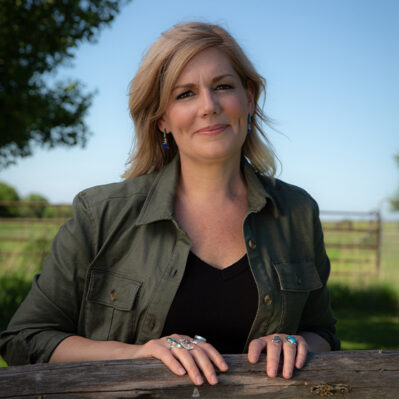
"I wish all energy companies would treat communities with a lot more respect like Tallgrass did."
Jane Kleeb, Founder of Bold Nebraska
The Nebraska Community Foundation will manage more than $7 million in distributions through 2035 across 31 counties in four states. Funds will support early childhood education, senior care, and food pantries.

Key figures outlining the operational timeline, infrastructure scope, storage capacity, and financial impact of the newly launched Tallgrass Trailblazer Pipeline.
>> In Other News: C2X to Deliver 3.6 Million Metric Tons of Carbon Removal to Microsoft Over 12 Years
Why This Model Worked
Tallgrass succeeded where others stumbled by checking three critical boxes. First, they repurposed existing infrastructure rather than forcing new construction through farmland. Second, they built voluntary easements instead of threatening eminent domain. Third, they made communities financial partners in the project's success.
Lee Hogan, Chairman of the Adams County Commission in Nebraska, whose home sits half a mile from the pipeline, noted that the company worked with people to get the project done "instead of trying to push it down our throat."
Nebraska's regulatory environment also helped. Unlike Iowa and South Dakota, the state doesn't require separate approval for CO2 pipelines, which streamlined the permitting process. This stands in contrast to the broader challenges facing the $77 billion U.S. carbon capture industry.

Opening the Door to Sustainable Aviation Fuel
The pipeline's impact extends beyond emissions reduction. By capturing CO2 from ethanol production, connected plants can lower their carbon intensity scores, making their fuel more valuable in emerging markets.

"If an ethanol plant captures the carbon, it lowers their carbon index and they become a low-carbon fuel, and there's a premium for that. And they can also produce sustainable aviation fuel out of it. Sustainable aviation fuel is a huge, gigantic market just waiting for someone to step forward and take it."
Tom Buis, CEO of the American Carbon Alliance
Iowa biofuels leaders have acknowledged that Nebraska now holds a competitive advantage in the low-carbon ethanol market. The sustainable aviation fuel sector is projected to grow at a 48% compound annual rate through 2031. Some connected plants are already discussing expansions as global CCUS capacity continues to scale.
A Blueprint for Carbon Infrastructure
The Trailblazer pipeline proves that large-scale CO2 transport infrastructure can be built in the United States without years of litigation. The formula isn't complicated: engage early, share value, and respect the people who live along the route.
Not every project will have an existing pipeline to convert. But the community engagement model that Tallgrass pioneered is replicable. For an industry watching billions in proposed projects stall, including efforts like Conestoga Energy's Class VI well in Kansas, that's the lesson worth learning.
Subscribe to the newsletter
Daily decarbonization data and news delivered to your inbox
Follow the money flow of climate, technology, and energy investments to uncover new opportunities and jobs.
Latest issues
-
Why Is Wyoming Giving 650,000 Acres to Carbon Storage?
Inside This Issue 🪨 Inside Blm's 650,000-Acre Bet on Wyoming Carbon Storage 🏭 California Advances Carbon Capture and Removal Regulations Under SB 905 ⚡ Why a Japanese Power Giant Is Betting on Den...
-
Colorado Joins the 7-State CCS Permit Fast Lane
Inside This Issue ⚖️ Colorado Takes Over Class VI Permits: What Changes for CCS? 🏭 Hebei Shoulang Facility Using LanzaTech Technology Achieves World’s First ISCC EU RCF Certification for Ethanol P...
-
The US Hasn't Made Heavy Water Since 1982
Inside This Issue ⚛️ Aternium Completes FEED Studies for US Hydrogen, Heavy Water Project 🐄 Google, McKinsey Strike Brazil Carbon Removal Deal With Silvopasture Project 🔧 Cummins Selects Stargate ...
Company Announcements
-
Citi Closes $72 Million Carbon Removal-Linked Note to Support Applied Carbon Biochar Project
HIGHLIGHTS Citi structured an innovative $72 million carbon removal-linked note to provide upfront capital for Applied Carbon's biochar project, marking a first-of-its-kind "outcome bond" for ver...
-
New platform opens access to the same rigorous project evaluations trusted by the world's leading carbon removal procurement programs Today, Relae (formerly Carbon Direct) launched The Diligence C...
-
Inside BLM's 650,000-Acre Bet on Wyoming Carbon Storage
The Bureau of Land Management has offered right-of-way grants covering about 649,438 acres of federal pore space in southwest Wyoming. The September 21, 2026 offers went to Moxa Carbon Storage LLC ...
-
NEW YORK, BUSINESS WIRE, SWITCH Maritime (Switch), a leading developer of zero-emission vessels, secured a Design Basis Agreement (DBA) with the United States Coast Guard (USCG) for the SWITCH-150,...