
Something unexpected just happened in Silicon Valley. While everyone watched tech companies chase solar panels and wind turbines, they quietly shifted billions toward a different climate bet: permanently burying carbon in soil and rock.
The numbers tell the story. In 2025, tech and IT companies increased their retirement value for carbon removal credits by 61%, the highest growth rate of any industry. Microsoft alone purchased more than 30 million tonnes of high-quality carbon removal, accounting for roughly 80% of the global market. Google, Meta, and Salesforce joined what's becoming the biggest private investment in permanent carbon storage the world has seen.
The reason? AI data centers are creating an emissions problem that renewable energy can't solve fast enough.

"Securing multi-year commitments like the one with Microsoft allows The Next 150 to mobilize large-scale biochar projects across Latin America, by attracting institutional finance for project-level lending, backed by creditworthy offtakes."
Patrick Atanasije Pineda, Managing Partner at The Next 150
The AI Emissions Problem
Artificial intelligence turned tech companies into energy monsters. Microsoft's energy use jumped 168% since 2020 despite aggressive clean energy purchases. Google used approximately 32.1 million megawatt-hours of electricity in 2024, with 95.8% consumed by data centers. That's more than double what they used in 2020.
Morgan Stanley warns that AI data centers could produce 2.5 billion tons of carbon dioxide equivalent globally by 2030. That's comparable to what the world's forests absorb each year. Even worse, building these facilities requires massive amounts of concrete and steel, creating embodied carbon that adds up fast.
Microsoft spent $80 billion on data center infrastructure in fiscal 2025 and signed clean energy deals in 24 countries. Yet emissions still increased almost 30% since announcing its carbon-negative goal in 2020. Clean electricity helps, but it's not enough when you're building at this scale.
>> RELATED: [x](x)
Two Technologies Win the Race
Tech companies aren't buying just any carbon credits. They're specifically hunting for durable, permanent solutions. Two technologies keep winning: biochar and mineralization. Both lock carbon away for centuries or millennia, not just decades.
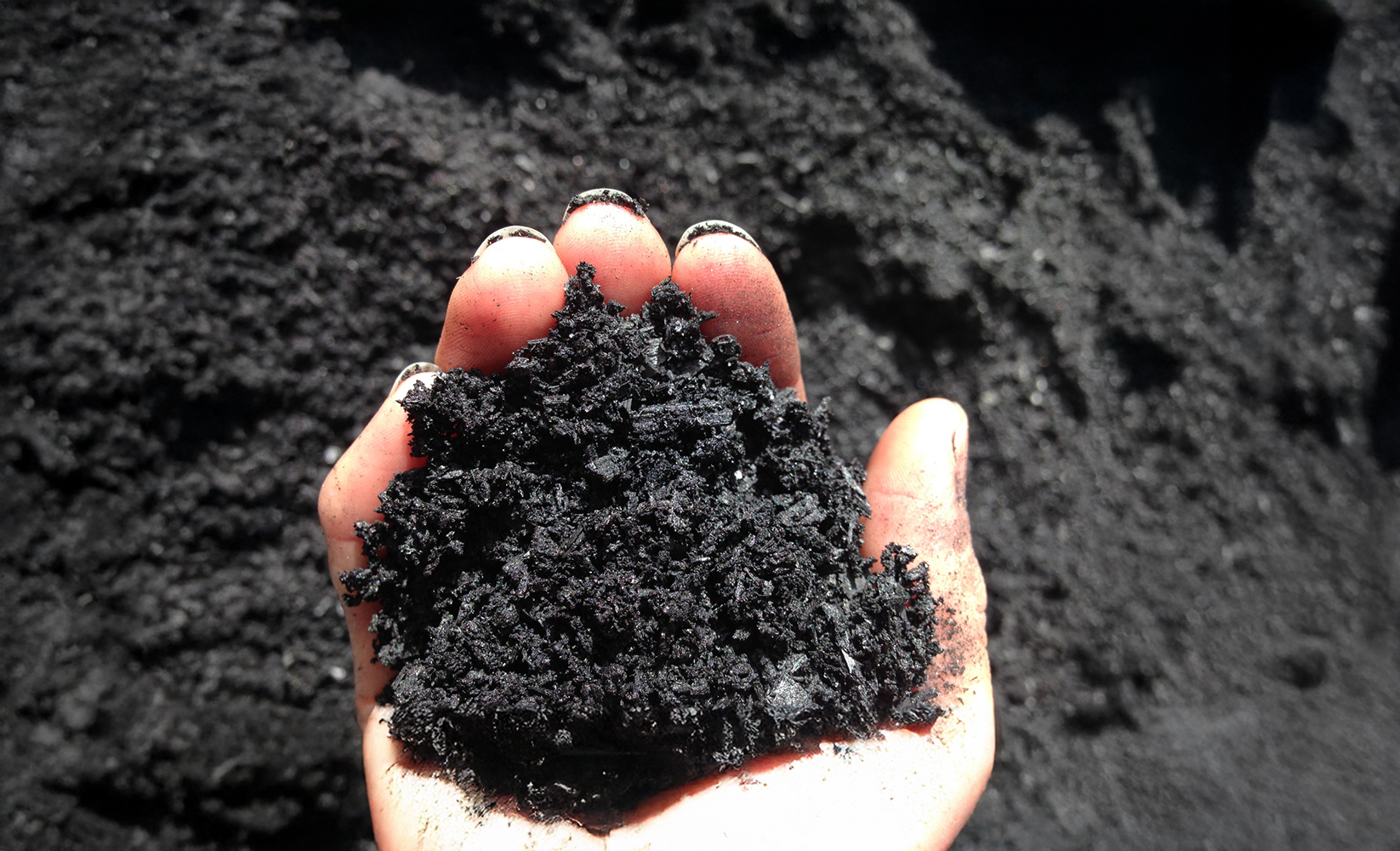
Biochar is created by heating agricultural waste in a zero-oxygen environment above 250°C. This process, called pyrolysis, transforms biomass into a stable, carbon-rich material. When buried in soil or used in construction, that carbon stays put for thousands of years. The material also improves soil health, increases water retention, and helps farmers reduce fertilizer dependence.
Mineralization takes a different approach. Carbon capture technology injects CO2 into rock formations or concrete where it reacts with minerals to form stable carbonates. CarbonCure injects captured CO2 into fresh concrete during manufacturing, where it transforms into a mineral that strengthens the final product.

CDR Market Explosion in Numbers (Key Milestones: 2024 - H1 2025)
Climate Pledges Meet Reality
These purchases aren't optional anymore. Microsoft committed to becoming carbon negative by 2030 and removing all historical emissions by 2050. Google and Meta set 2030 net-zero targets, while Amazon aims for 2040. With AI expansion pushing emissions higher, carbon removal credits became the bridge between current reality and future promises.
The strategy shift became public in February 2025 when Microsoft announced it would stop buying "non-additive, unbundled renewable energy certificates" from existing renewable projects. Instead, Microsoft redirected funds to carbon removal projects, clean electricity procurement, and emerging low-carbon technologies.
Google made a similar announcement, stating it was "no longer maintaining operational carbon neutrality" and instead focusing on "accelerating an array of carbon solutions and partnerships" to reach net-zero goals. The message was clear: buying offsets for existing emissions wasn't cutting it.

"Our six-year purchase agreement and ongoing collaboration with The Next 150 is a step forward towards our ambition to realize our carbon negative by 2030 goal via a diversified portfolio of carbon removal."
Brian Marrs, Senior Director for Energy and Carbon Removal at Microsoft

Where the Billions Are Going
>> In Other News: Par Pacific Closes $100M Deal To Build Largest Renewable Fuels Facility In Hawai’i
Infrastructure Builds Out Fast
The sector is building real infrastructure. California broke ground on its first carbon storage hub in October 2025, with capacity to store 1.6 million metric tons of CO2 annually. ExxonMobil's carbon storage operations now cover roughly 16 million metric tons per year.
Biochar production facilities are popping up across Latin America, India, Africa, and North America. The Next 150 launched operations in Mexico with plans for two additional plants by 2025. Exomad Green expanded capacity in Bolivia from 60,000 to 120,000 tonnes annually. These aren't pilot projects anymore, they're commercial operations with multi-year contracts backed by Fortune 500 buyers.
While direct air capture technology continues advancing, its costs remain high at $600+ per tonne compared to biochar's $50-$150 range. That price gap explains why biochar captured the tech sector's attention first.
| Method | Price per Tonne | Permanence | Status |
|---|---|---|---|
| Biochar | $50-$150 | Centuries to millennia | Market leader, 290 buyers |
| Mineralization | $370-$827 | Permanent | 123% price increase |
| Direct Air Capture | $600+ | Permanent | High cost limiting scale |
What Happens Next
The carbon removal sector hit an inflection point. Total contracted CDR reached 15 million tonnes by May 2025, more than all prior quarters combined since 2022. Deliveries hit 318,600 tonnes in 2024, a 120% increase from 2023. But the delivery-to-booked ratio sits at just 4.4%, meaning most purchased credits haven't been delivered yet.
The market faces a concentration problem. Microsoft accounts for roughly 80% of global high-durability CDR purchases. Only 36% of CDR suppliers listed on CDR.fyi registered any sale in 2024. If Microsoft changed priorities, the entire removal market could stumble. That's starting to change as professional services firms now represent 34% of biochar buyers, with financial services at 29% and technology at 18%.
The 61% jump in tech sector removal retirements suggests other companies are following Microsoft's lead. As AI expansion continues and climate commitments come due, more tech firms will need permanent carbon removal strategies. The question is whether supply can scale fast enough to meet demand.
What started as Microsoft's moonshot is becoming the tech industry's playbook for managing AI's carbon debt. The question now is whether the rest of corporate America will follow their lead before their own climate commitments come due.
Subscribe to the newsletter
Daily decarbonization data and news delivered to your inbox
Follow the money flow of climate, technology, and energy investments to uncover new opportunities and jobs.
Latest issues
-
Why Is Wyoming Giving 650,000 Acres to Carbon Storage?
Inside This Issue 🪨 Inside Blm's 650,000-Acre Bet on Wyoming Carbon Storage 🏭 California Advances Carbon Capture and Removal Regulations Under SB 905 ⚡ Why a Japanese Power Giant Is Betting on Den...
-
Colorado Joins the 7-State CCS Permit Fast Lane
Inside This Issue ⚖️ Colorado Takes Over Class VI Permits: What Changes for CCS? 🏭 Hebei Shoulang Facility Using LanzaTech Technology Achieves World’s First ISCC EU RCF Certification for Ethanol P...
-
The US Hasn't Made Heavy Water Since 1982
Inside This Issue ⚛️ Aternium Completes FEED Studies for US Hydrogen, Heavy Water Project 🐄 Google, McKinsey Strike Brazil Carbon Removal Deal With Silvopasture Project 🔧 Cummins Selects Stargate ...
Company Announcements
-
Citi Closes $72 Million Carbon Removal-Linked Note to Support Applied Carbon Biochar Project
HIGHLIGHTS Citi structured an innovative $72 million carbon removal-linked note to provide upfront capital for Applied Carbon's biochar project, marking a first-of-its-kind "outcome bond" for ver...
-
New platform opens access to the same rigorous project evaluations trusted by the world's leading carbon removal procurement programs Today, Relae (formerly Carbon Direct) launched The Diligence C...
-
Inside BLM's 650,000-Acre Bet on Wyoming Carbon Storage
The Bureau of Land Management has offered right-of-way grants covering about 649,438 acres of federal pore space in southwest Wyoming. The September 21, 2026 offers went to Moxa Carbon Storage LLC ...
-
NEW YORK, BUSINESS WIRE, SWITCH Maritime (Switch), a leading developer of zero-emission vessels, secured a Design Basis Agreement (DBA) with the United States Coast Guard (USCG) for the SWITCH-150,...