
Next Hydrogen Solutions Inc. completed the Basic Design Engineering Package (BDEP) for a planned 10 MW onsite hydrogen fueling station in British Columbia on August 18, 2026. A Financial Investment Decision is expected by year-end 2026, with construction targeted for late 2027 or early 2028. Before that FID happens, the project still needs to resolve a firm power contract, a customer with enough truck volume to anchor the economics, and a cost-per-kilogram that works without sustained subsidy.
Key Facts
- 10 MW electrolyzer capacity at the planned BC station (Next Hydrogen, August 2026)
- Estimated hydrogen output: 4 to 5 tonnes per day at 55 kWh per kilogram electrolyzer efficiency
- That output is enough to fuel approximately 10 to 15 Class 8 fuel cell trucks per day
- BC Hydro's large industrial (transmission service) energy charge runs approximately 5 to 6 cents CAD per kWh; demand charges add substantially to the all-in electricity cost
- Transportation caused 42% of BC's total greenhouse gas emissions in 2023 (CleanBC, 2023 data); heavy-duty vehicles account for 22% of that transportation total
- FID anticipated by end of 2026; construction to follow in late 2027 or early 2028
- Customer identity is confidential; project location has not been disclosed
>> In Other News: [x](x)
What Does Completing a BDEP Actually Mean?
A Basic Design Engineering Package is an engineering document, not a construction commitment. It defines scope, equipment layout, utility requirements, and estimated costs to a level of precision that supports a credible go/no-go investment decision. Finishing a BDEP means the project is ready to price, not ready to build.

"On-site hydrogen production near or co-located with demand is the best path to competitive green hydrogen costs. Our Canadian technology is commercially operational and is ideal for working with renewable energy requiring variable operating conditions."
Stephen Griggs, Executive Chair, Next Hydrogen Solutions Inc.
For Next Hydrogen, the BDEP is built around its containerized NH-X series electrolyzers, which can ramp up or down at 10% per second across a 10% to 100% turndown range. That dynamic response matters for a station drawing from BC Hydro's grid, where time-of-use pricing rewards flexible load scheduling. A signed power contract, finalized site agreements, and confirmed customer offtake still need to follow before FID is possible.

Heavy-duty freight trucking is part of the transportation sector, which caused 42% of BC's total greenhouse gas emissions in 2023, making it the province's single largest emissions source.
What's the Electricity Problem Next Hydrogen Has to Solve?
BC has one of the cleanest electricity grids in North America, with BC Hydro generating more than 95% of its power from hydroelectric sources. That low carbon intensity makes electrolysis-based hydrogen eligible for BC's Low Carbon Fuel Standard credits, which can materially improve project economics. The low-carbon grid reduces the carbon intensity of every kilogram produced and gives Next Hydrogen a genuine policy tailwind if the credit stack holds at construction.
The electricity cost picture is more nuanced than BC's competitive grid position suggests. BC Hydro's large industrial transmission service energy charge (Rate Schedule 1830, the standard rate for new large customers) runs approximately 5 to 6 cents CAD per kWh following rate adjustments in 2025 and 2026. At Next Hydrogen's stated system efficiency of 45 to 55 kWh per kilogram, that energy cost alone comes to roughly $2.50 to $3.30 CAD per kilogram of hydrogen before capital, operations, or financing. However, large industrial customers also face significant demand charges based on peak power draw, which BC Hydro's tariff sets at $10.154 per kVA of billing demand per period and which can represent 30% to 70% of a total industrial electricity bill. A negotiated power supply agreement, ideally with off-peak pricing flexibility, is the most important cost lever Next Hydrogen needs to finalize before FID.
Next Hydrogen’s high-current-density alkaline electrolyzer technology enables compact, containerized onsite green hydrogen production optimized for variable renewable or grid power, supporting commercial deployments such as distribution-center fueling and future heavy-duty stations.
Can 10 MW Anchor an Onsite Station Without a Named Customer?
At 10 MW of electrolyzer capacity and an assumed efficiency of 55 kWh per kilogram, the station would produce roughly 4 to 5 tonnes of hydrogen per day. A Class 8 fuel cell truck filling at 700 bar typically takes 30 to 40 kilograms per refueling. That gives the station throughput for 10 to 15 heavy-duty trucks daily, a similar scale to the initial deployment at HTEC's Tsawwassen station, which launched in June 2026 with 12 Class 7 and 8 trucks. Freight operators are increasingly serious about hydrogen for routes where battery-electric falls short on range and payload.
The confidential customer is the central variable. Onsite models work when a single operator can commit enough daily utilization to justify the capital. A distribution hub, port logistics operator, or industrial fleet running predictable routes could anchor those economics, but without knowing the customer's fleet size, the throughput assumptions carry real uncertainty.

The BC station requires a signed power contract and offtake confirmation before construction can begin following a final investment decision.
>> RELATED: HTEC Opens Canada's First 700 Bar Hydrogen Truck Station
How Does This Compare to HTEC's Model in BC?
BC's hydrogen trucking infrastructure is developing through two distinct supply models. HTEC uses centralized production with distributed delivery. The company produces hydrogen at its 1.8-tonne-per-day facility in Burnaby and delivers it to dispensing sites, including the Tsawwassen station that opened June 18, 2026, with 700-bar capability and a capacity of 400 kilograms per day.
HTEC's H2 Gateway program is backed by a $337 million Canada Infrastructure Bank loan targeting 20 stations across BC and Alberta. Next Hydrogen's model is different: onsite production eliminates transport costs but concentrates demand risk at a single site. Western Canada is testing multiple deployment models, and both approaches contribute to what BC actually needs, which is density of hydrogen supply points across freight corridors.
| Feature | Next Hydrogen BC Station | HTEC Tsawwassen Station |
|---|---|---|
| Production model | Onsite electrolysis | Centralized (Burnaby) and delivered |
| Electrolyzer/production capacity | 10 MW / approx. 4 to 5 tonnes per day | 1.8 tonnes per day at Burnaby |
| Dispenser capacity | Not yet disclosed | 400 kg per day at Tsawwassen |
| Pressure rating | Not disclosed | 350 bar and 700 bar |
| Initial fleet supported | Confidential customer | 12 Class 7 and 8 trucks at launch |
| Status | BDEP complete; FID expected end of 2026 | Operational since June 18, 2026 |
Why BC's Freight Decarbonization Timeline Makes This Project Worth Watching
Transportation caused 42% of BC's total greenhouse gas emissions in 2023, making it the province's single largest emissions source (CleanBC, 2023 data). Within that sector, heavy-duty vehicles like long-haul trucks account for 22% of transportation emissions. Battery-electric solutions face real constraints on range, payload, and charge time for Class 8 applications on commercial freight routes.

"Today we open what we believe to be the first 700-bar commercial heavy-duty clean hydrogen station, not only in Greater Vancouver, not only in B.C., but in the entirety of Canada."
Marnie Wu, Director of Commercial Network Operations, HTEC (at the June 18, 2026 Tsawwassen opening)
Hydrogen fuel cell trucks can refuel in under 20 minutes and deliver diesel-comparable range, making them the most practical near-term option for regional and port freight in the Lower Mainland. Freight operators across North America are building the real-world data that makes the next fleet decision easier, and BC's active pilots are already generating that evidence.
Next Hydrogen's BC station, if it reaches FID, would add another onsite production point to that network. At 4 to 5 tonnes per day from a 10 MW electrolyzer, the output is modest but commercially meaningful. North America's hydrogen project pipeline is full of design-stage announcements. FID by end of 2026 would put this one in the smaller group of projects that actually move to construction.
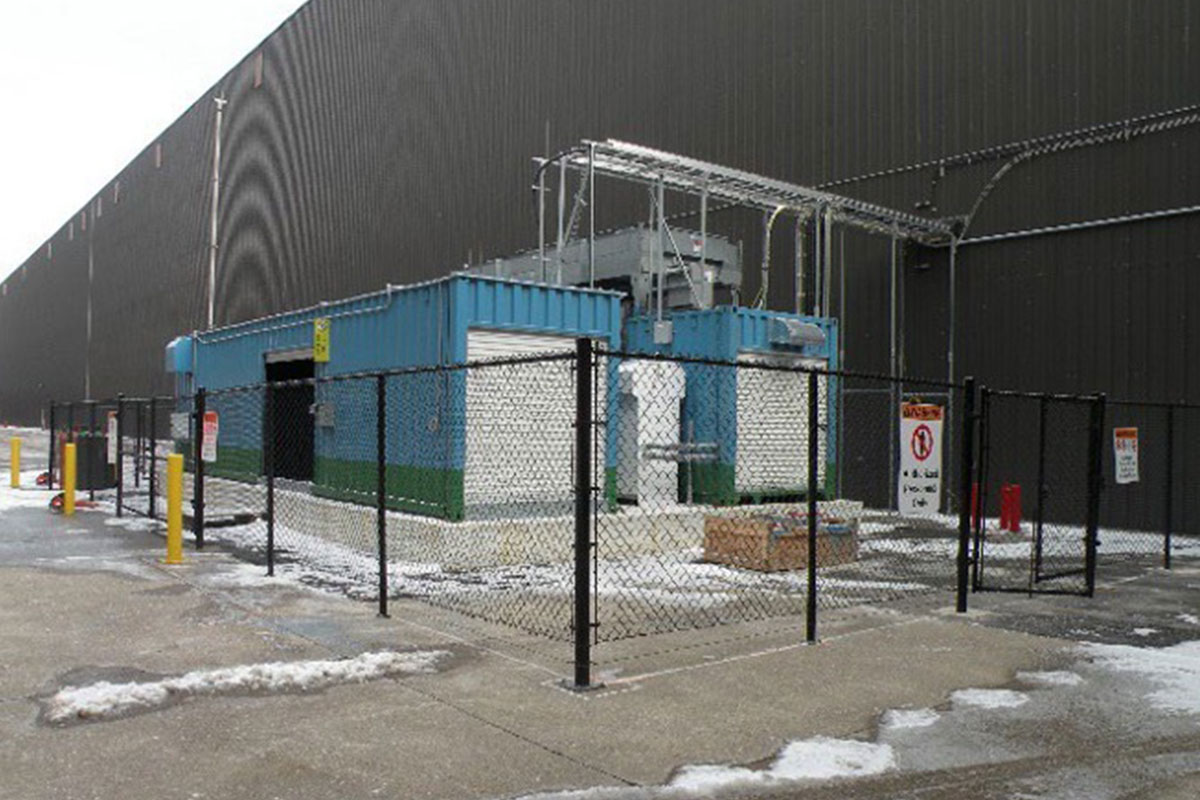
Onsite electrolysis eliminates hydrogen transport costs but concentrates demand risk at a single customer location.
What the FID Decision Will Actually Hinge On
Next Hydrogen has the engineering done. What the FID decision will require is less technical and more commercial: a firm power agreement with BC Hydro at a rate structure that makes cost-per-kilogram viable, confirmation that the confidential customer can commit enough truck utilization to absorb the station's output, and clarity on which policy incentives, including BC's Low Carbon Fuel Standard credits and federal clean energy support, will be available at construction. Electrolyzer companies that have survived the industry's recent shakeout are those that moved from demonstration into customer-anchored commercial contracts.
Broader hydrogen corridor investment across Canada is building context that reduces first-mover risk for any single station. More trucks on road in BC and Alberta, more fleet data, and more supply points across the network all improve the commercial case. By year-end 2026, Next Hydrogen will find out whether this project has the anchors it needs.
Frequently Asked Questions
What is a Basic Design Engineering Package and why does it matter for FID?
A BDEP is a detailed engineering document that defines a project's scope, layout, equipment requirements, and cost estimates with enough precision for a credible Final Investment Decision. Completing a BDEP doesn't mean a project will be built. It means the project is defined well enough to decide whether to fund construction.
How much hydrogen can a 10 MW electrolyzer produce per day?
At an electrolyzer efficiency of 55 kWh per kilogram, a 10 MW station running continuously would produce approximately 4 to 5 tonnes of hydrogen per day. That is enough to fuel roughly 10 to 15 Class 8 fuel cell trucks, assuming each takes 30 to 40 kilograms per refueling at 700 bar. Next Hydrogen states its systems operate at 45 to 55 kWh per kilogram depending on conditions.
What makes BC a strong location for green hydrogen trucking?
BC Hydro generates more than 95% of its electricity from hydroelectric sources, giving BC one of the lowest-carbon grids in North America. That low carbon intensity makes electrolysis-based hydrogen eligible for BC's Low Carbon Fuel Standard credits, which can meaningfully improve project economics. BC also has a dedicated industrial electrification rate for hydrogen producers (Clean Industry and Innovation Rate, Rate Schedule 1894) that provides a discount from the standard transmission service rate. Active freight corridors in the Lower Mainland, including port drayage routes, create a ready commercial market for hydrogen trucking at scale.
For ongoing coverage of hydrogen infrastructure, green fuel projects, and transportation decarbonization, subscribe to Decarbonfuse.com.
Subscribe to the newsletter
Daily decarbonization data and news delivered to your inbox
Follow the money flow of climate, technology, and energy investments to uncover new opportunities and jobs.
Latest issues
-
Who Bought Gevo’s $50M in 45Z Credits?
Inside This Issue ⛽ Gevo Sells $70M in 45Z Credits to a New Kind of Buyer 🌱 South Pole, Gaïago, and Gold Standard Issue European Soil Carbon Credits, Unlocking Verified Regenerative Agriculture Re...
-
Verra Landed CCP Approval. What Changes for DAC?
Inside This Issue ✅ Verra's CCS Credits Just Got the Integrity Seal Buyers Want 💰 South Korea Unveils $747 Billion Energy Transition Plan Through 2035 💧 Hydrogen and Carbon Capture and Storage in ...
-
Quebec Wood Waste Just Became Jet Fuel
Inside This Issue 🌲 ARC Bio Tests a Refinery Shortcut to Forest-Based SAF 💧 Scientists Just Found a New Way to Make Hydrogen from Water 🤝 How Channel Partnerships Are Helping More Organizations Ta...
Company Announcements
-
Mineral Europa: A Game Changer for Shipping
Antwerp, Oct. 09, 2026 (GLOBE NEWSWIRE) -- Antwerp, 9 October 2026 – CMB.TECH NV (“CMB.TECH” or the “Company”) (NYSE: CMBT, Euronext Brussels: CMBT and Euronext Oslo Børs: CMBTO) today announces th...
-
Download PDF (170.95 KB) Eni CCUS Holding, owned jointly by Eni and Global Infrastructure Partners ("GIP"), part of BlackRock, announces that Liverpool Bay CCS has completed the installation of th...
-
First-of-its-kind project in France and Belgium marks a major breakthrough for carbon credit buyers seeking high-integrity, high-impact regenerative agriculture removals in Europe; providing buyer...
-
Gevo and ClimeFi Complete Carbon Removal Transaction, Advancing Gevo's Growing Carbon Business
Transaction supports Gevo's path toward a carbon business exceeding $30 million in annual revenue from existing operations ENGLEWOOD, Colo., Oct. 08, 2026 (GLOBE NEWSWIRE) -- Gevo, Inc. (NASDAQ: G...