
A single licensing agreement has opened the door to nationwide carbon capture deployment in Canada. ESG Clean Energy has granted Viking Energy Group, a majority-owned subsidiary of Camber Energy, exclusive rights to use its patented CO2-free power generation technology across all Canadian provinces and territories.
The deal also includes non-exclusive rights for up to 25 locations in the United States. This positions Viking Energy to become a major player in North America's growing clean energy market, where carbon capture investments are accelerating rapidly.
What Makes This Technology Stand Out
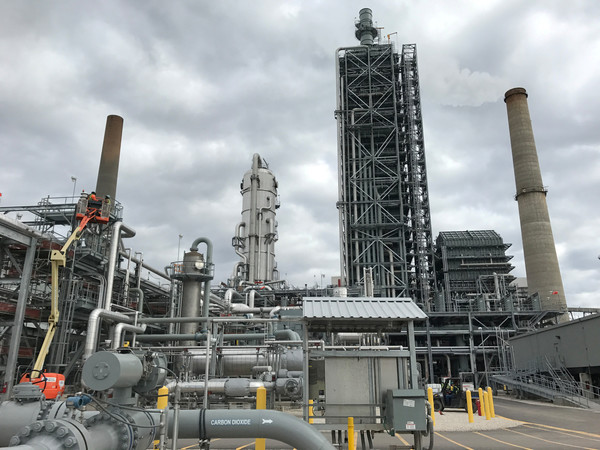
The ESG Clean Energy System does something few carbon capture technologies can claim: it captures approximately 100% of CO2 emissions from internal combustion engines without sacrificing efficiency. That's a significant achievement in an industry where most systems face trade-offs between capture rates and power output.
The system works by separating water vapor and CO2 from exhaust gases. These byproducts are then converted into marketable commodities, turning what would be waste into revenue streams.

"Securing a license arrangement on this scale is a major milestone for ESG Clean Energy. This agreement enables ESG to not only expand our power generation business, but also allows us to provide more effective energy solutions outside the United States by leveraging the experience, expertise and relationships within the entire Viking and Camber organization."
Nick Scuderi, President of ESG Clean Energy
>> RELATED: LanzaTech Achieves Guaranteed Performance At Japan MSW-To-Ethanol Plant
From Waste to Wealth
The captured CO2 and water vapor don't just disappear. The ESG system transforms them into valuable products that can be sold on the open market. This circular approach addresses one of the biggest challenges facing carbon capture projects: making the economics work.

Tthe circular process of the ESG Clean Energy System, transforming captured waste CO2 and water vapor into valuable commodities like distilled water, urea, and ammonia for various industries.
Applications Across Multiple Industries
Beyond power generation, the ESG system opens doors for decarbonization in sectors that have struggled to reduce emissions. The technology's flexibility makes it attractive for diverse applications, from industrial facilities to remote energy operations.
| Application | Benefit |
|---|---|
| Plastics Recycling | Low-cost, CO2-free heat for processing |
| Wastewater Treatment | Efficient nitrogen removal to prevent algae blooms |
| Stranded Gas Wells | Converts non-operating wells into revenue producers |
| Microgrids | Reliable backup power during grid outages |
| Data Centers | Clean, low-cost energy in compact systems |
| Crypto Mining | High energy demands met without CO2 emissions |
>> In Other News: Enpower Corp. Completes Sale Of Wadham Energy Limited Partnership, The World’s Largest Rice Husk Fired Power Plant, To High Rock Energy Group
Strategic Timing for Canada
This deal arrives as Canada ramps up investments in carbon capture technology. The federal government has committed billions through the CCUS Investment Tax Credit, offering up to 60% for qualifying projects. Provincial programs in Alberta, British Columbia, and Saskatchewan add further incentives.
Viking Energy plans to leverage its recently acquired subsidiary, Simson-Maxwell Ltd., to promote the ESG Clean Energy System throughout western Canada. The company already has established relationships with industrial and commercial clients who need reliable power generation.

"In my view this transaction positions us as an industry leader in terms of being able to assist with the power generation needs of commercial and industrial organizations while at the same time helping them reduce their carbon footprint to satisfy regulatory requirements or to simply follow best ESG-practices."
James Doris, President and CEO of Camber Energy
A Growing Market Opportunity
The global carbon capture market is entering a new phase of growth. According to IEA data, over 50 million tonnes of CO2 capture capacity is now operational worldwide. In North America, the CCUS market is maturing thanks to government incentives and corporate investments.
Canada's Pathways Alliance and other initiatives are building pipeline networks to connect capture sources with storage sites, creating infrastructure that companies like Viking Energy can leverage.
Deal Highlights at a Glance
- Exclusive license for all of Canada with unlimited system deployments
- Non-exclusive rights for up to 25 U.S. locations
- 100% CO2 capture without efficiency loss
- Multiple revenue streams from captured byproducts
Setting the Stage for Scale
With regulatory pressures mounting and corporate sustainability commitments growing, the timing positions both companies well. ESG Clean Energy gets access to the Canadian market without building out its own sales infrastructure, while Viking Energy gains a differentiated technology.
The agreement represents exactly the kind of partnership that could accelerate carbon capture adoption across North America's energy landscape. As industries seek practical solutions to meet emissions targets, technology delivering both environmental and economic benefits will be in high demand.
Subscribe to the newsletter
Daily decarbonization data and news delivered to your inbox
Follow the money flow of climate, technology, and energy investments to uncover new opportunities and jobs.
Latest issues
-
The US Hasn't Made Heavy Water Since 1982
Inside This Issue ⚛️ Aternium Completes FEED Studies for US Hydrogen, Heavy Water Project 🐄 Google, McKinsey Strike Brazil Carbon Removal Deal With Silvopasture Project 🔧 Cummins Selects Stargate ...
-
Why Colorado’s Koloma Has Japan’s Largest Utility Hooked
Inside This Issue ⚡ JERA Invests in Koloma to Explore Natural Hydrogen as a Future Low-Carbon Energy 🔬 New CATF Tool Provides Framework for Self-Assessment and Strengthening of Biomass Carbon Remo...
-
LNK Energies Targets $6.50 Hydrogen With No Federal Subsidies
Inside This Issue 🚛 MIT Startup Says It Can Turn Diesel Trucks Into Cheaper Hydrogen Haulers, See It at Disrupt 🏭 Baytown City Council Briefs: ExxonMobil Blue Hydrogen Agreement Approved 🌎 Colorad...
Company Announcements
-
A new interactive tool from Clean Air Task Force (CATF) provides a practical framework for the self-assessment and strengthening of biomass carbon removal (BiCRS) protocols to help ensure that carb...
-
LanzaJet Secures Financing to Scale SAF Production and Supply Global Customers
CHICAGO, Oct. 15, 2026 (GLOBE NEWSWIRE) -- LanzaJet, Inc., a leading next-gen fuels technology company and fuels producer, today announced fully committed new financing of at least $20 million to s...
-
44.01 and Frontier Advance Permanent CO₂ Storage Through In-Situ Mineralization
44.01's in-situ mineralization (ISM) process turns CO₂ into solid rock underground in a few years, after which the risk of reversal is functionally zero. >> In Other News: JERA Invests in ...
-
JERA Invests in Koloma to Explore Natural Hydrogen as a Future Low-Carbon Energy
JERA Co., Inc. (JERA), through its corporate venture capital arm JERA Ventures, has invested in Koloma, Inc. (Koloma), a U.S.-based natural hydrogen exploration and development company. The invest...