
Canada's largest oil sands producers are targeting a final investment decision on the Pathways CCS project in late 2027 to early 2028. But the July 2 trilateral MOU was just the starting gun. Before construction can be authorized, a checklist of binding fiscal agreements, legislative changes, and regulatory filings all need to land in sequence. The hard deadline is November 15, 2026.
Key Facts
- FID target window: late 2027 to early 2028 (Oil Sands Alliance, August 2026)
- Definitive fiscal agreements with federal and Alberta governments due on or before November 15, 2026 (Canada.ca, July 2026)
- Phase 1 capture target: 6 million tonnes per annum (mtpa) through Pathways CCS
- Shared transportation and storage infrastructure targeted to operate by January 1, 2032
- Full 6 mtpa Phase 1 expected to be completed by January 1, 2035
- Construction mobilization targeted as early as September 2027
- Carbon price pathway: rising from $95/tonne now to $140/tonne by 2040 under Alberta's TIER system
- Federal investment tax credit: 50% on capture equipment, 37.5% on transport and storage, extended to 2035
- Project partners: Canadian Natural Resources, Cenovus Energy, Imperial Oil, Suncor Energy, ConocoPhillips Canada
>> In Other News: AGILIS, Subsidiary of the NGE Group, and Paebbl Announce Partnership to Cut the Carbon Footprint of Infrastructure Concrete
What Did Dilling Actually Confirm?
Kendall Dilling, president of the Oil Sands Alliance, gave Reuters the clearest public timeline yet for a Pathways FID. "It depends, obviously, on regulatory approvals and a few things, but I think late 2027 into early 2028 is kind of that window," Dilling said in an interview published August 18, 2026.
That quote contains a conditional that's worth unpacking. "Regulatory approvals and a few things" is doing a lot of work. What those things actually are is the more useful story.
Dilling confirmed that oil sands companies expect to reach definitive fiscal agreements with both the federal government and Alberta on or before November 15, 2026. That November deadline is the next hard gate. Miss it, and the FID timeline shifts accordingly.
This isn't the first time a deadline has been set for Pathways. As Decarbonfuse covered previously, 2025 was supposed to be the year of reckoning for FID. The decision slipped again as fiscal terms remained unresolved. The November 2026 target carries more weight than past milestones. The July 2 MOU formally named it as the intended signing date.
CBC News, July 14, 2026: Alberta, Ottawa, and the Oil Sands Alliance sign the trilateral MOU to advance the Pathways CCS project.
What the July 2 MOU Set Up, and What It Left Open
The trilateral MOU signed on July 2, 2026 between Canada, Alberta, and the Oil Sands Alliance established the framework. It set the Phase 1 target at 6 million tonnes per annum of CO2 capture. Shared pipeline and storage infrastructure is expected to be operating by January 1, 2032. Each company's specific commitments and milestones are to be locked in through definitive legal agreements, not the MOU itself.
That's the critical distinction. The MOU is non-binding. It commits the parties to a process and a structure, not to spending money or building anything. The binding documents come next, with a target signing date of November 15, 2026, per the official government backgrounder on canada.ca.
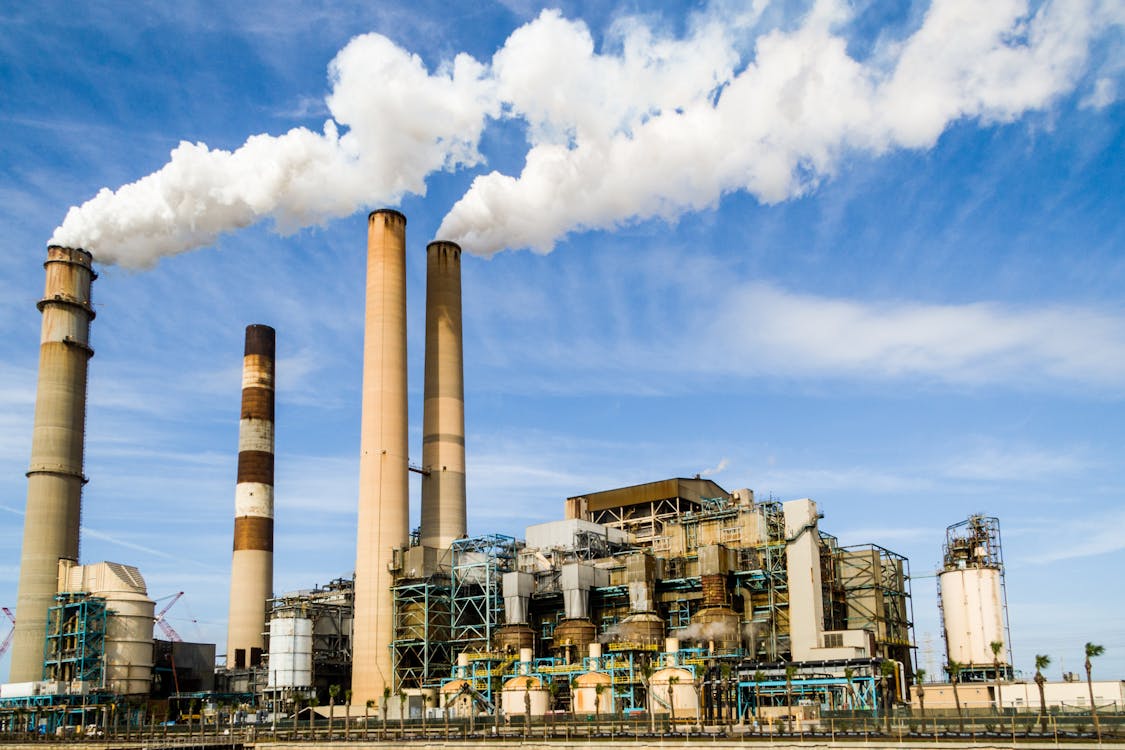
The Pathways CCS project would link oil sands facilities across northeastern Alberta through a 650-kilometre CO2 pipeline network to a storage hub near Cold Lake.
Several specific items still need to move from framework to legislation or formal agreement before FID is viable.
Carbon pricing pathway: The Canada-Alberta Implementation Agreement established a price trajectory for Alberta's industrial carbon pricing system, TIER. The headline price rises from $95/tonne now to $100/tonne for 2027 to 2029, then to $115 by 2030, climbing incrementally to $130 in 2035. After 2036, a 1.5% annual escalator carries it to $140/tonne by 2040 (Osler / Lexology, May 2026). This trajectory still needs to be codified in regulation. A policy commitment on carbon price direction is not the same as that price floor enshrined in legislation. Investors need the latter to support project financing.
Clean Fuel Regulation operating support: The federal government committed to advancing financing for CCS operating costs. This includes measures to enhance the durability of Clean Fuel Regulations credits. The structure of that support has not been finalized. Canada's National Observer reported in July 2026 that the federal government is exploring using CFR credits to help cover operating costs. At current market rates of around $350 per tonne for CFR credits, that could mean between $400 million and $500 million in annual operating revenue. The real figure could be higher. The specific structure, eligibility rules, and long-term durability of that support still need to be worked out through the definitive agreements.
CCUS investment tax credit clarifications: The MOU specifically names Ottawa's commitment to address technical clarifications on the CCUS Investment Tax Credit. Industry concerns about the credit's scope remain on the table. That credit covers 50% of eligible capital costs on capture equipment and 37.5% on transport and storage, extended to 2035. The technical details that industry has flagged still require formal resolution.
Regulatory filings: Before construction can start, regulatory applications need to be submitted and processed. Alberta committed in the MOU to a 120-day approval timeline for qualified projects, a meaningful acceleration from historical timelines. But the filings themselves haven't been submitted yet. Construction mobilization is targeted as early as September 2027, which means regulatory submissions need to start soon to clear that gate.
>> RELATED: Entropy's Glacier Plant Now Runs Power and Capture Together

"We believe we've achieved a framework that is positive for the oilsands industry and provides a step forward to help enable production growth and to advance the Pathways Project."
Kendall Dilling, President, Oil Sands Alliance (July 13, 2026)
Why the November Deadline Has Political Stakes Beyond CCS
The mid-November fiscal deadline isn't just an internal project milestone. It has political weight at the national level, because PM Carney's endorsement of the West Coast oil pipeline is explicitly contingent on Pathways proceeding.
At the July 2 announcement, Carney said future production of "decarbonized barrels" of oil "depends on Pathways." The MOU makes that dependency explicit. The West Coast Oil Pipeline and the Pathways CCS project are described as "mutually dependent." Neither moves without the other.
That linkage means a slip on the November fiscal deadline doesn't just delay a CCS project. It delays the pipeline approval process. The political architecture binding the two projects together was deliberate. It creates a powerful incentive for all parties to hold the November deadline. A slip cascades into every subsequent timeline, including the West Coast pipeline's targeted September 2027 construction start.
Cenovus CEO Jon McKenzie said in June 2026 that Pathways could cost between C$20 billion and C$30 billion. At that cost range, locking in fiscal certainty before the November deadline becomes the prerequisite for everything that follows. No government has signaled willingness to let the November date slide.

Pathways would store CO2 in the Basal Cambrian Sandstone formation, 1,000 to 2,000 metres underground near Cold Lake, via a 650-kilometre pipeline network.
How the Compliance Incentive Works
One of the less-covered elements of the MOU is how it uses Alberta's TIER carbon pricing system as the stick behind the carrot. Under the MOU, companies that deliver their share of the 6 million tonnes of Phase 1 reductions earn a compliance reward. Their annual TIER benchmark tightening rate drops from 2% to 1%. That's a meaningful reduction in ongoing compliance costs.
Companies that fall short face 1.5% annual tightening from 2035 to 2040. Miss the second tranche and the full 2% rate applies from 2040 to 2044. The design gives producers a strong financial reason to stay on the delivery schedule. Industry has consistently pushed for this kind of revenue certainty to make project economics work at the scale Pathways requires.
The MOU also includes a government commitment to issue up to 75 million tonnes of Carbon Contracts for Difference between 2030 and 2040. CCfDs provide a floor price for carbon credits, reducing the investment risk for capital-intensive capture projects like Pathways. Alberta extended its Carbon Capture Incentive Program through 2035, continuing grants covering 12% of eligible CCS capital costs (Clear Blue Markets, July 2026).
| Pathways CCS Milestone | Target Date | Status |
|---|---|---|
| Trilateral MOU signed | July 2, 2026 | Complete |
| Definitive fiscal agreements with federal and Alberta governments | On or before November 15, 2026 | Pending |
| Regulatory filings submitted | Late 2026 / early 2027 | Pending |
| Final Investment Decision (FID) | Late 2027 to early 2028 | Conditional |
| Construction mobilization | As early as September 2027 | Conditional on FID |
| Phase 1 infrastructure in service | January 1, 2032 | Target |
| Full 6 mtpa Phase 1 complete | January 1, 2035 | Target |
How Does the Scope Compare to What Was Originally Proposed?
The current Phase 1 target of 6 million tonnes per annum represents a substantial reduction from the original Pathways ambition. The project initially targeted 22 million tonnes of emissions reduction by 2030. That figure was later revised downward to 10 to 12 million tonnes per year. The July 2 MOU set the legally accountable Phase 1 target at 6 million tonnes by 2035. The longer-term goal is 16 million tonnes per annum total by 2045 across all phases.
Dilling addressed the scale reduction directly. "The prior proposal was an incredibly aggressive scale and timeline that would have been, I think, very difficult to manage and to contain costs," he said. The revised phasing is more realistic. It accounts for project costs, regulatory timelines, and the need to sequence delivery across more than a dozen oil sands facilities.
The phased structure also changes the risk profile. Canada's broader CCS pipeline is maturing, and Phase 1 infrastructure can anchor subsequent expansion phases rather than trying to build everything at once. The Alberta government has already issued a Carbon Sequestration Agreement for the Pathways storage complex. That formal step clears the geological storage question from the regulatory checklist.
For comparison, Alberta's first operational CCS hub, Meadowbrook, demonstrates that navigating the full regulatory process from application to injection is achievable. Pathways is orders of magnitude larger, but the provincial permitting structure is now better understood than it was when the project was first proposed.
"Today, global focus on the climate issue has tempered, for sure, but I think as the industry, we take a long-term view here. So that if 10 years from now, the emissions-per-barrel discussion is really globally important again, we're not on our heels."
Kendall Dilling, President, Oil Sands Alliance (Reuters, August 2026)
What Happens If the November Deadline Slips?
The downstream consequences are not theoretical. Construction mobilization is targeted as early as September 2027. Getting there requires regulatory approvals that take time to process even under Alberta's accelerated 120-day pathway. If the November 2026 fiscal agreements are delayed, regulatory submissions get pushed back, and September 2027 construction mobilization becomes harder to protect.
The late 2027 to early 2028 FID window that Dilling described assumes a clean run from November 2026 forward. Each element is load-bearing. The carbon price trajectory needs to be in regulation, not just policy commitment. The CFR credit operating support structure needs a defined shape. The CCUS investment tax credit technical clarifications need resolution. All of that has to happen before companies can take a billion-dollar construction authorization to their boards.
Globally, CCUS projects that have reached FID share a common characteristic: fiscal certainty was locked in well before construction began. The Pathways checklist is longer and more complex than most, but the sequencing logic is the same. The November deadline exists because without it, the entire downstream schedule unravels.
The good news is that there's now more political will behind this timeline than at any previous point in the project's history. The mutual dependency between Pathways and the West Coast pipeline gives all parties aligned incentives. Both governments and all five oil sands companies need the November date to hold. Once fiscal agreements are locked and regulatory clearances are in hand, momentum tends to build quickly. As other large-scale CCS projects have shown, that pattern holds through engineering and construction phases.
Frequently Asked Questions
What is the Pathways CCS project and who is behind it?
The Pathways CCS project is a proposed CO2 transportation network and underground storage hub in northeastern Alberta. It is being developed by the Oil Sands Alliance, which represents Canadian Natural Resources, Cenovus Energy, Imperial Oil, Suncor Energy, and ConocoPhillips Canada. Together these companies represent approximately 95% of Canada's oil sands production. Phase 1 targets 6 million tonnes per annum of CO2 capture by 2035, with shared pipeline and storage infrastructure operating by January 1, 2032.
What still needs to be agreed before the Pathways FID can happen?
Several items remain unresolved. Binding definitive fiscal agreements are due on or before November 15, 2026. They cover the federal government, Alberta, and each of the five Oil Sands Alliance companies. These agreements need to enshrine the carbon price pathway to $140 per tonne by 2040. They must also structure CFR operating cost support, resolve CCUS tax credit clarifications, and set company-specific milestones. Regulatory filings for construction approval also still need to be submitted and processed.
Why is the West Coast pipeline linked to the Pathways CCS project?
Prime Minister Carney has stated that federal support for a new West Coast oil pipeline is contingent on the Pathways CCS project proceeding. The July 2, 2026 trilateral MOU explicitly describes the two projects as mutually dependent. A delay in Pathways fiscal agreements would affect the pipeline's approval process too. All parties have a strong incentive to hold the November 15, 2026 deadline.
For ongoing coverage of carbon capture, CCS policy, and Canada's energy transition, subscribe to Decarbonfuse.com.
Subscribe to the newsletter
Daily decarbonization data and news delivered to your inbox
Follow the money flow of climate, technology, and energy investments to uncover new opportunities and jobs.
Latest issues
-
113 CCS Projects: What's Driving the Surge?
Inside This Issue 🏭 Global CCS Hits 113 Projects as Americas Lead Capacity 💰 We're Moving $2M+ to Climate Solutions 💧 China Launches World's First Semi-submersible Offshore Wind-to-hydrogen Platfo...
-
Why Is Wyoming Giving 650,000 Acres to Carbon Storage?
Inside This Issue 🪨 Inside Blm's 650,000-Acre Bet on Wyoming Carbon Storage 🏭 California Advances Carbon Capture and Removal Regulations Under SB 905 ⚡ Why a Japanese Power Giant Is Betting on Den...
-
Colorado Joins the 7-State CCS Permit Fast Lane
Inside This Issue ⚖️ Colorado Takes Over Class VI Permits: What Changes for CCS? 🏭 Hebei Shoulang Facility Using LanzaTech Technology Achieves World’s First ISCC EU RCF Certification for Ethanol P...
Company Announcements
-
China Launches World's First Semi-Submersible Offshore Wind-to-Hydrogen Platform
The world's first semi-submersible offshore wind-to-hydrogen platform has floated in Jiangmen, south China's Guangdong Province, opening a new avenue for the development and utilization of clean ma...
-
We’re Moving $2M+ to Climate Solutions
New companies, new ways to back existing ones, and every purchase built to pull in more capital We’re adding new companies to our portfolio and getting creative with how we put more money behind e...
-
Citi Closes $72 Million Carbon Removal-Linked Note to Support Applied Carbon Biochar Project
HIGHLIGHTS Citi structured an innovative $72 million carbon removal-linked note to provide upfront capital for Applied Carbon's biochar project, marking a first-of-its-kind "outcome bond" for ver...
-
New platform opens access to the same rigorous project evaluations trusted by the world's leading carbon removal procurement programs Today, Relae (formerly Carbon Direct) launched The Diligence C...